Building a website in 2025 is easier than ever. Gone are the days of learning complex coding languages. Thanks to beginner-friendly website builders, anyone can now create stunning websites in just hours. Whether you’re launching a blog or a small business site, the best tools offer intuitive design, flexibility, and professional features.
As more people explore no-code website platforms and drag-and-drop builders, the demand for tools that simplify web development has grown. In this guide, we will walk you through the best website builders tailored for beginners, helping you choose the right one for your needs.
1. Nicepage.com – The Hidden Gem of Web Design
Nicepage.com is a powerhouse for anyone who wants complete creative freedom without coding. With over 15,000 free templates and a flexible drag‑and‑drop editor, it empowers beginners and professionals alike to design websites that look truly unique.
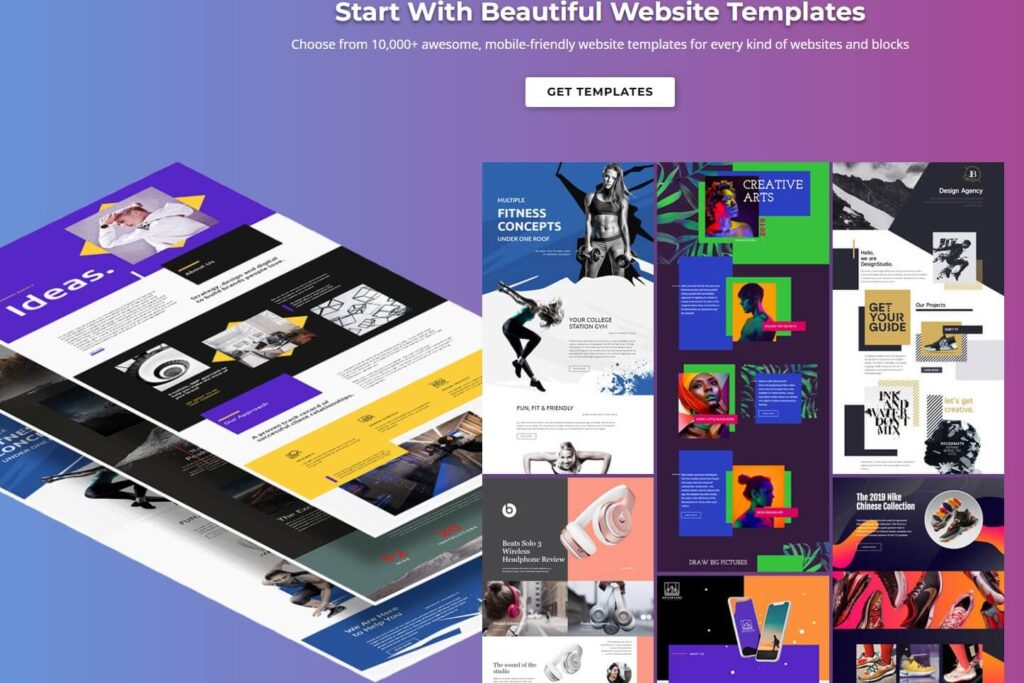
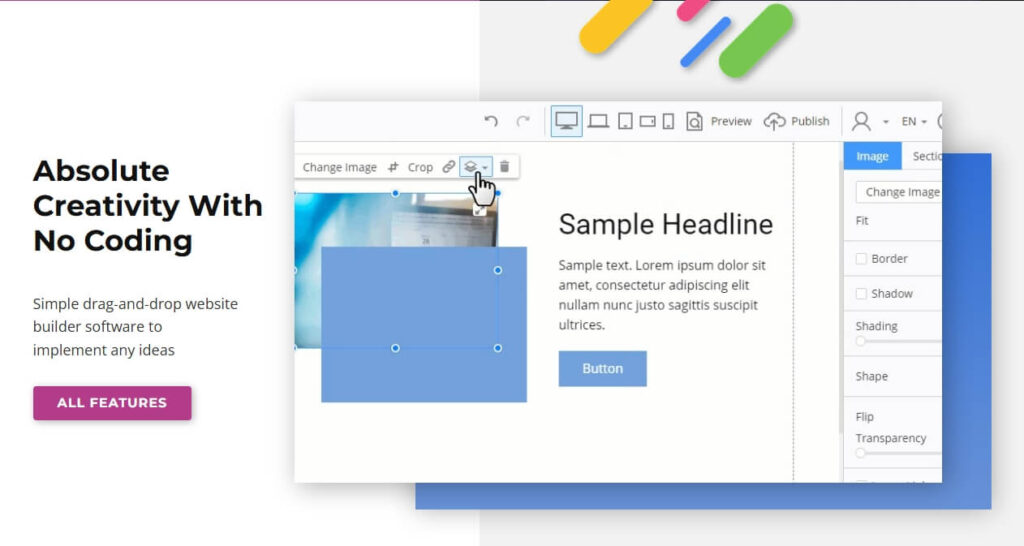
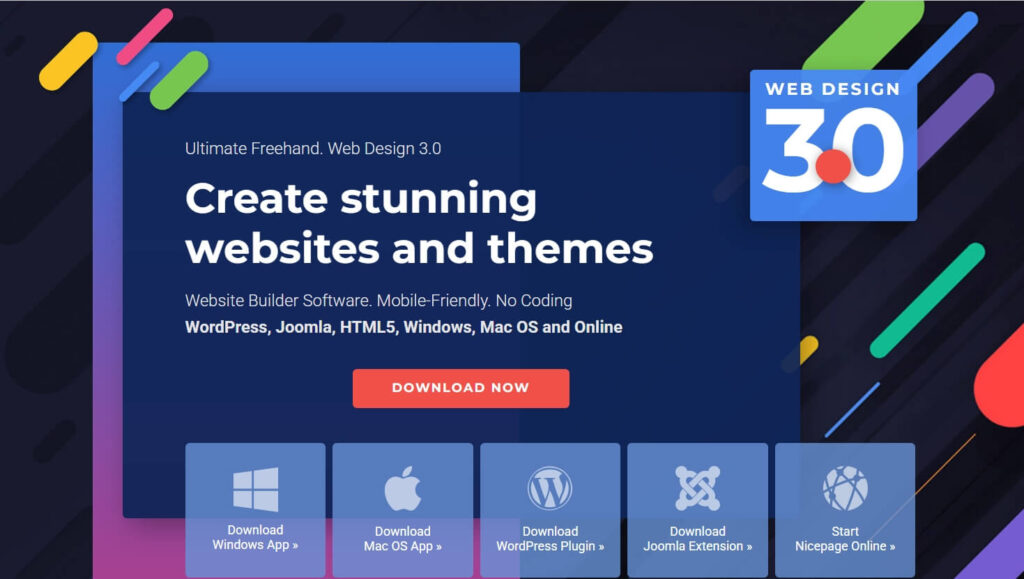
Unlike many builders that lock you into rigid layouts, Nicepage lets you experiment with modern design blocks, responsive grids, and even export your site to WordPress or HTML. It’s perfect for entrepreneurs, bloggers, and small businesses who want a professional look without the steep learning curve. Affordable, versatile, and stunningly creative—Nicepage deserves the #1 spot.
2. Wix – Most Versatile and Beginner-Friendly
Wix continues to dominate the market as one of the most accessible builders for newbies. Its drag-and-drop editor allows full design freedom. You can select from over 900 templates covering every niche imaginable.

Wix also offers AI-powered site creation through Wix ADI, which builds a site based on a few simple questions. It’s ideal for those who want to skip design decisions. Additionally, it includes powerful apps like Wix Stores and Wix Bookings.
Visit Wix’s official website to explore templates and pricing.
3. Squarespace – Perfect for Creatives and Portfolios
If visuals are your priority, Squarespace might be your best choice. It offers elegant templates optimized for photos, videos, and portfolios. It’s ideal for photographers, designers, and artists.
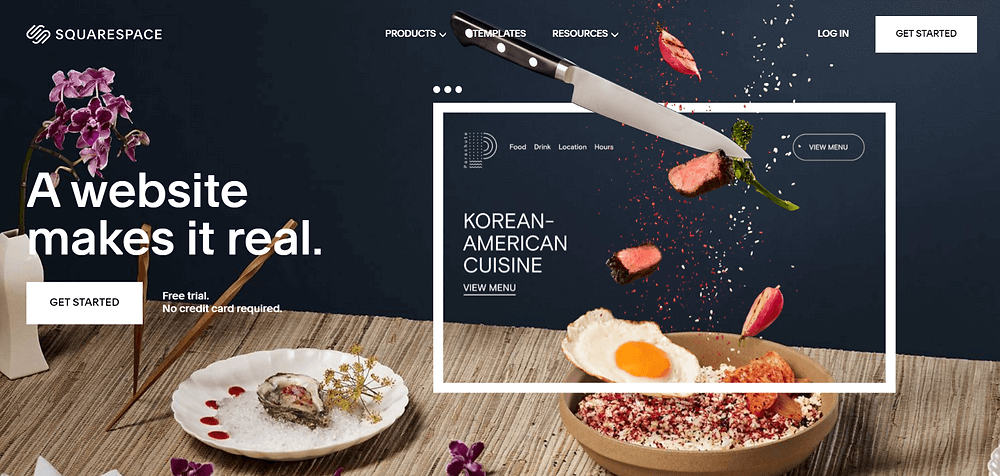
The platform features built-in blogging tools, scheduling apps, and e-commerce options. Even though it looks premium, it’s quite beginner-friendly. Moreover, the Squarespace support center is full of guides and tutorials for quick learning.
4. GoDaddy Website Builder – Fast Setup and All-in-One
GoDaddy is best known for domain services, but its website builder is surprisingly capable. GoDaddy Website Builder combines a streamlined editor with built-in SEO and marketing tools.
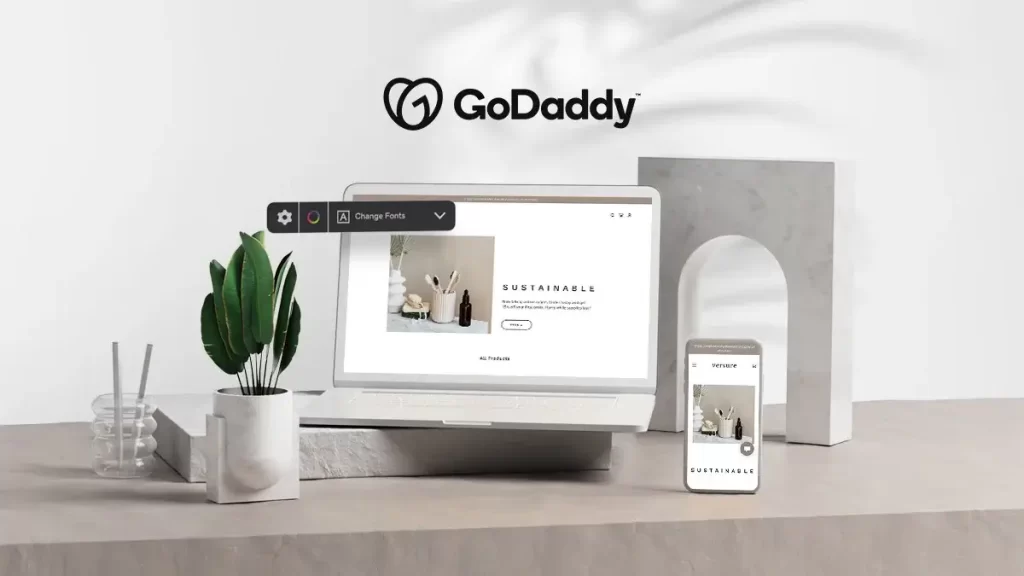
It’s perfect for small businesses that need to go online fast. It also includes appointment booking, contact forms, and payment integrations. You can manage everything from one dashboard, which is great for beginners.
5. Weebly – Great for E-Commerce Starters
Weebly, now powered by Square, is a solid option for those looking to start an online store. The platform is easy to use and offers good e-commerce tools for beginners.
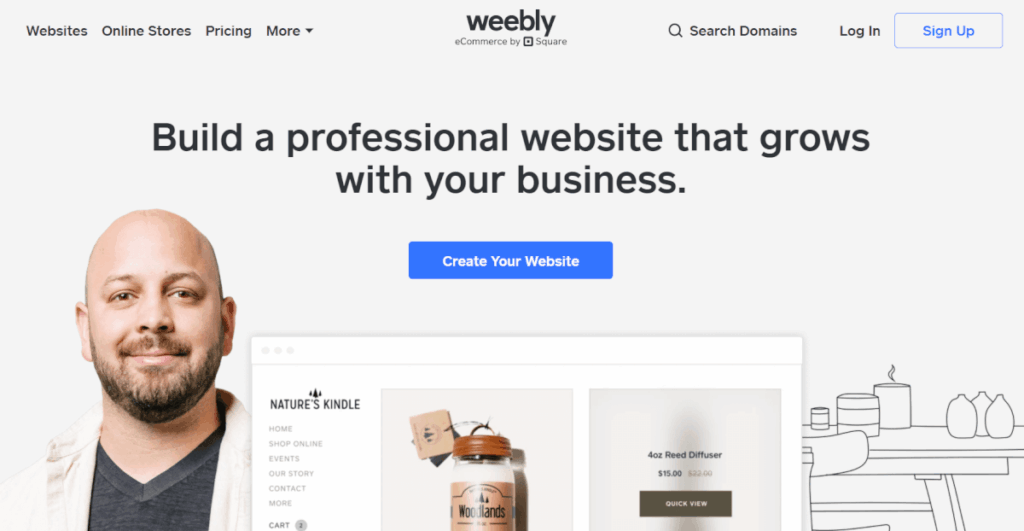
It includes product listings, inventory tracking, and built-in shopping cart features. Weebly’s simple interface and drag-and-drop builder make launching a site a stress-free experience. It also has a free plan, making it accessible to everyone.
6. Webflow – For Design Flexibility Without Coding
If you want more design control without touching code, Webflow is a solid pick. It offers visual editing with responsive design and CMS features. While slightly more complex, its tutorials help you learn quickly.
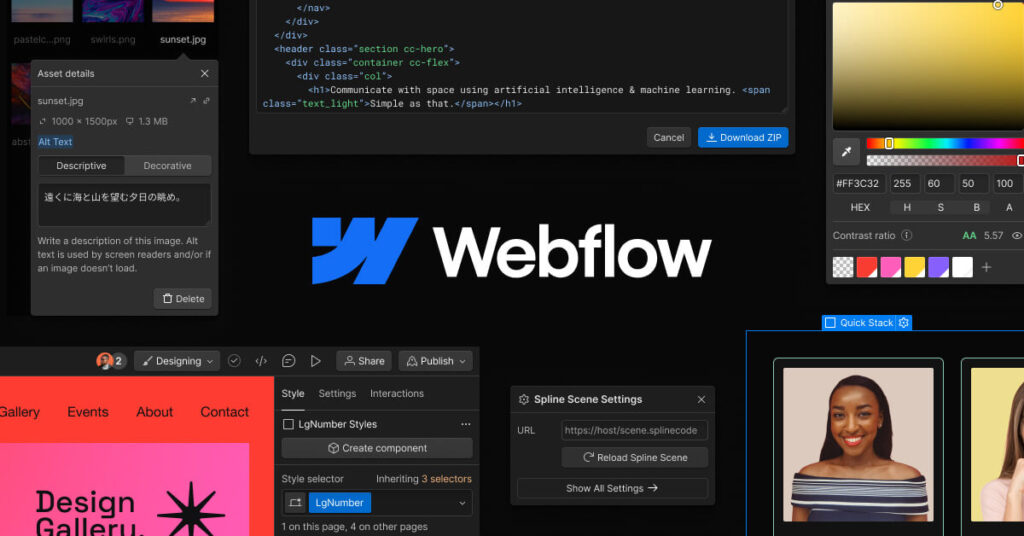
Webflow suits users who want custom layouts and animations. It’s also great for freelancers building multiple client sites. The learning curve is higher than Wix or Squarespace, but the creative freedom is unmatched.
7. Zyro – Fast, AI-Driven Website Building
Zyro is one of the newer players, but it’s making waves with AI-powered features. It includes AI content generation, logo makers, and heatmaps. These tools help beginners save time and make smarter design decisions.
Zyro offers simple templates and fast hosting. It’s perfect for entrepreneurs and personal brands looking for quick online presence. Their pricing is also affordable, which is appealing to budget-conscious users.
8. Shopify – Best for Beginner E-Commerce Sites
If your main goal is selling products, Shopify is a top-tier platform. While designed for e-commerce, it remains user-friendly for first-timers. You can manage products, orders, and payments with ease.

Shopify offers hundreds of themes, both free and paid. It also supports dropshipping, subscription services, and social selling. Its customer support is available 24/7, making it reliable for beginners.
Conclusion
Choosing the right website builder depends on your goals, design needs, and budget. Luckily, today’s top platforms make it easy to get started without any coding. Whether you’re launching a blog, portfolio, or online store, these tools offer everything a beginner needs.
Explore different options through free trials. Test what works best for your content style and business goals. With the right website builder, you’ll create a professional-looking site in no time.