A text appears in the same thread as your genuine GCash alerts. It says your wallet will be deactivated unless you verify your account. The link opens a page that looks like GCash. If you enter your MPIN, share a one-time PIN (OTP), or approve a fraudulent payment, money can move quickly. That wallet might hold your grocery budget, a freelance payment, or the money you send home each month. Start by securing your registered phone. Then limit how much money stays available for everyday spending. If a message claims… Read More
Posts in Mobile Security
How to Tell if Your Phone Has Been Hacked: Warning Signs and Next Steps
Your phone suddenly overheats, drains its battery overnight, or displays strange notifications. Naturally, you start wondering whether someone has hacked it. Before assuming the worst, you need to understand the signs your phone is hacked. Some symptoms indicate genuine security problems, while others have ordinary explanations. Smartphones contain considerably more personal information than most people realize. Your device stores passwords, banking credentials, private conversations, photographs, and access to important online accounts. Consequently, a successful phone hacking attempt could expose far more than your contact list. Attackers may steal personal information,… Read More
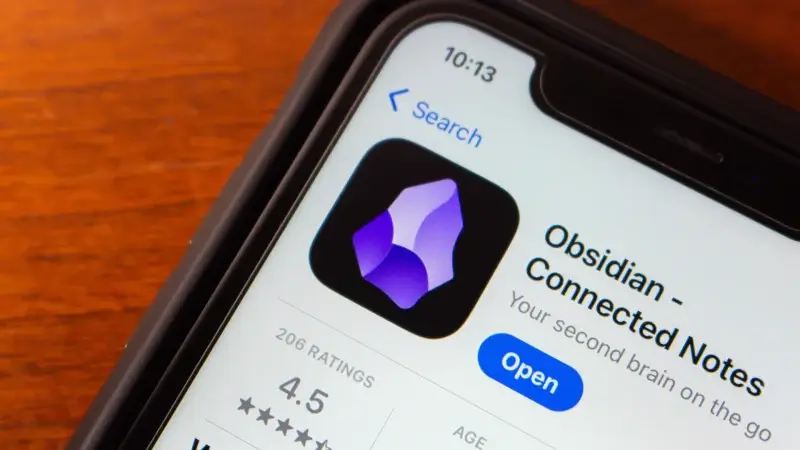
How to Sync Encrypted Obsidian Vaults Locally
Privacy-conscious power users often struggle to maintain a seamless, encrypted local Obsidian vault without paying for cloud subscriptions. Fortunately, you can build a robust, zero-trust knowledge base using reliable open-source tools. Standard cloud storage providers scan user files and charge recurring fees for basic sync features. Meanwhile, Obsidian Sync costs money and locks your database into a proprietary ecosystem. By taking control of your sync pipeline, you guarantee complete privacy across every single device. This comprehensive guide walks you through setting up an end-to-end encrypted note system using Syncthing and… Read More
App Stores Prepare Aggressive Purge of Viral Mobile Apps Failing to Disclose Local AI Data Harvesting
Mobile app stores are taking drastic measures to enforce strict transparency rules on trending mobile applications. Modern mobile apps now routinely process personal prompts, voice recordings, and device files using local AI engines. Consequently, platform operators are launching targeted audits to clean up storefronts and safeguard consumer trust. Many creators run specialized models directly on smartphone processors to speed up features. However, hundreds of top-charting titles silently cache, analyze, or send telemetry back to distant servers without permission. Tech platforms are stepping in to stop these deceptive operations before bad… Read More