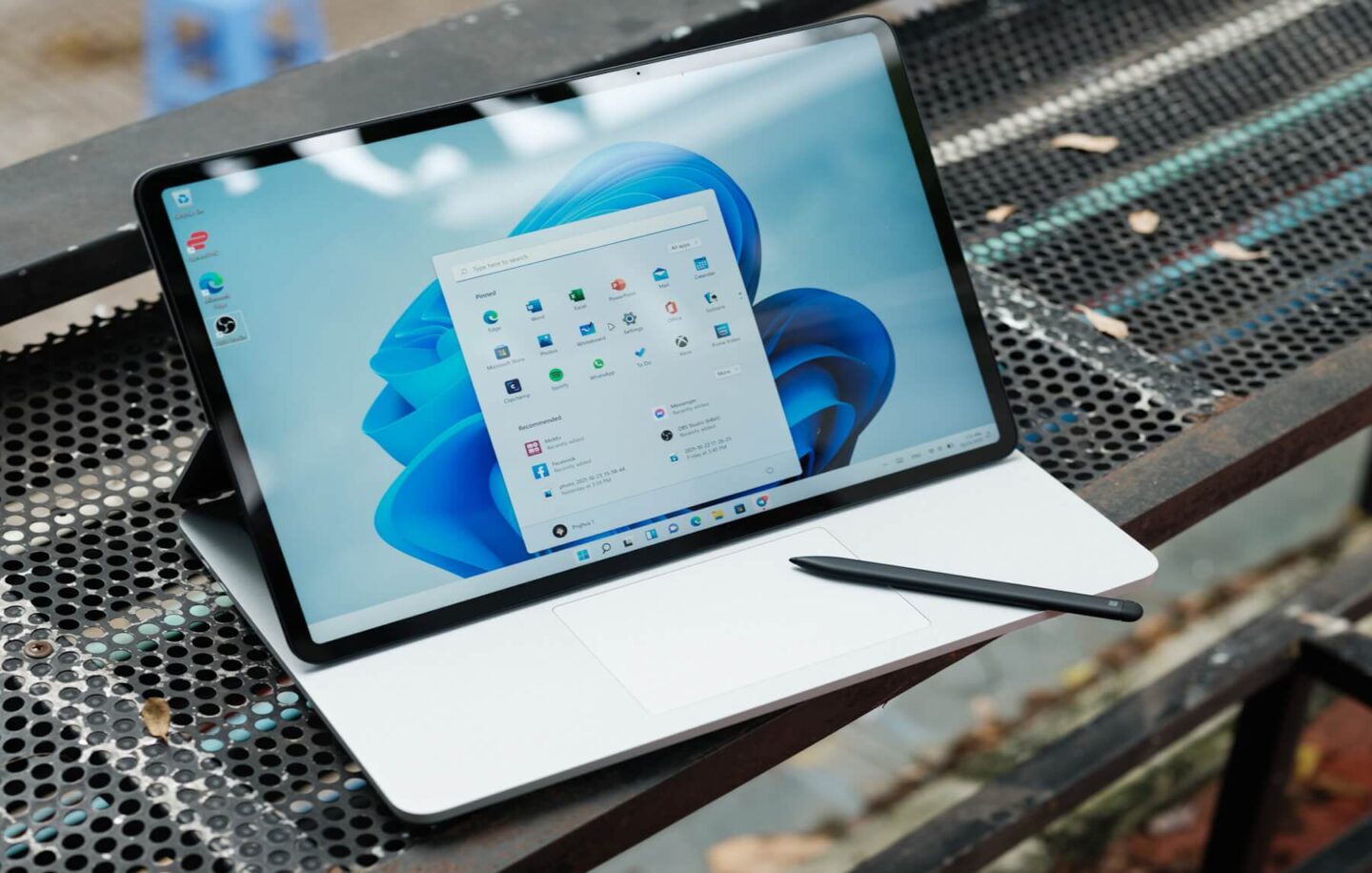
Quantum computing promises incredible breakthroughs for medicine and artificial intelligence. However, it also poses a massive threat to modern digital security. Adversaries can eventually break standard public-key algorithms like RSA and ECC using quantum power. To counter this, Microsoft introduced native post-quantum security APIs into Windows 11. This update enables developers and IT leaders to start building quantum-safe cryptography right into enterprise applications today.
The threat is not decades away. Cybercriminals currently intercept and store encrypted enterprise data in large-scale storage hubs. This strategy is known as a “Harvest Now, Decrypt Later” attack. Bad actors will decrypt these stolen archives the moment a large-scale quantum computer goes online. Because of this risk, protecting sensitive enterprise data requires immediate operational updates.
┌────────────────────────────────────────────────────────────────────────┐
│                        HARVEST NOW, DECRYPT LATER                      │
├────────────────────────────────────────────────────────────────────────┤
│  [ NOW ]        Attacker captures & stores encrypted transit data.     │
│                   │                                                    │
│                   ▼                                                    │
│  [ FUTURE ]     Quantum computer breaks RSA / Elliptic-Curve keys.     │
│                   │                                                    │
│                   ▼                                                    │
│  [ IMPACT ]     Stored historical data becomes fully exposed.          │
└────────────────────────────────────────────────────────────────────────┘
How Microsoft Built Post-Quantum Protection Into Windows 11
Microsoft integrated post-quantum algorithms directly into the core Cryptography API: Next Generation (CNG) framework. CNG serves as the foundational cryptographic engine across all modern Windows OS builds. System developers can now call standardized quantum-resistant functions natively. You no longer need to compile unverified third-party cryptographic libraries into your custom software stack.
This integration relies on algorithm standards finalized by the National Institute of Standards and Technology (NIST). Microsoft prioritized lattice-based algorithms because they offer optimal mathematical resistance against quantum factorization techniques.
- ML-KEM (Module-Lattice Key Encapsulation Mechanism): Standardized from the CRYSTALS-Kyber project. It secures symmetric key exchanges across network sessions.
- ML-DSA (Module-Lattice Digital Signature Algorithm): Derived from CRYSTALS-Dilithium. It verifies digital signatures, identities, and code integrity.
┌──────────────────────────────────────────────────────────────────────────────┐
│                      WINDOWS 11 CNG CRYPTO STACK                             │
├──────────────────────────────────────────────────────────────────────────────┤
│  Apps / Native APIs :  WinINet  |  Schannel  |  ADCS  |  .NET                │
├──────────────────────────────────────────────────────────────────────────────┤
│  Engine (CNG)       :  ML-KEM (Key Exchange)  |  ML-DSA (Signatures)         │
├──────────────────────────────────────────────────────────────────────────────┤
│  Core Library       :  SymCrypt (FIPS-compliant low-level implementation)    │
└──────────────────────────────────────────────────────────────────────────────┘
By embedding these standards into low-level C-based primitives, Windows 11 delivers rapid execution speeds. Microsoft optimized the underlying SymCrypt engine to process quantum calculations efficiently without crushing system memory.
💡 Pro-Tip: Software engineers building custom enterprise software should target.NET 10 cryptographic libraries. The updated framework exposes CNG quantum primitives natively. Consequently, you can secure cross-platform apps without modifying low-level C++ code.
⚠️ Warning: Post-quantum public keys and signatures require significantly larger payload sizes than legacy RSA keys. Network administrators must review buffer sizes and maximum transmission unit settings. Otherwise, legacy firewalls might drop quantum-safe packets during handshake negotiations.
Hybrid Mode: Bridging Legacy Protection and Future Defense
Transitioning an entire global enterprise to Windows 11 post-quantum security overnight is impossible. Legacy infrastructure still relies heavily on RSA-2048 and Elliptic Curve Cryptography. Therefore, Microsoft adopted a hybrid negotiation model inside the Windows Transport Layer Security (TLS) stack.
Hybrid key exchange combines classic algorithms with new lattice-based schemes during a single handshake session. For example, the system links standard ECDHE key parameters directly alongside ML-KEM key exchange tokens.
                       HYBRID TLS HANDSHAKE FLOW

Client (Windows 11)                               Server (Target)
       │                                                 │
       │  Client Hello (ECDHE + ML-KEM Parameters)       │
       ├────────────────────────────────────────────────►│
       │                                                 │
       │  Server Hello (Selected Hybrid Key Pair)        │
       │◄────────────────────────────────────────────────┤
       │                                                 │
 [Derives Classic Key]                           [Derives Classic Key]
 [Derives Quantum Key]                           [Derives Quantum Key]
 [Combines into Shared Secret]                  [Combines into Shared Secret]
       │                                                 │
       │    Encrypted Data Stream (Dual-Layered)         │
       │◄───────────────────────────────────────────────►│
This dual-layered approach offers immediate structural security benefits:
- Defense in Depth: An attacker must crack both the traditional key and the quantum key simultaneously.
- Backward Compatibility: If a remote server does not support quantum handshakes, the client falls back safely to traditional algorithms.
- Compliance Readiness: Enterprises can satisfy current regulatory standards while testing next-generation security models.
System administrators can inspect hybrid deployments through native Active Directory Certificate Services (ADCS). Recent Windows updates allow ADCS to issue and manage ML-DSA digital signatures natively across local domain networks.
What IT Administrators Must Do Now
You do not need to replace your hardware today, but you must start planning immediately. Preparing your local workstation network for quantum resistance requires a disciplined, multi-stage rollout plan.
1. Conduct a Cryptographic Discovery Audit
You cannot protect what you cannot see. Use network management tools to scan your software inventory. Identify legacy software that uses hardcoded RSA signatures or outdated hashing schemes.
2. Configure Test Environments with Group Policy
Test new post-quantum security APIs in isolated organizational units (OUs). Use Windows Group Policy or Microsoft Intune to enable hybrid TLS handshakes on pilot machines. Monitor performance metrics closely to verify connection stability.
3. Enforce Code-Signing Governance
Start updating your internal build pipelines. Ensure your development team signs internal application binaries with hybrid digital signatures. This practice prevents malicious actors from injecting compromised binaries during transition phases.
Final Thoughts
The arrival of native quantum protection in Windows 11 marks a critical turning point for corporate IT defense. By embedding standardized algorithms directly into core operating system APIs, Microsoft has made quantum preparedness simple, accessible, and scalable. Organizations that upgrade their systems today will easily defend their sensitive data against future decryption threats.
How is your IT team preparing for the shift to quantum-safe encryption? Are you testing hybrid handshakes in your lab yet? Let us know your thoughts and questions in the comments below! Share this article with your security team to jumpstart your organization’s quantum readiness plan.