
The Rise of AI in Game Development
Artificial Intelligence (AI) is transforming industries, and game development is no exception. With growing demand for immersive gameplay and smarter experiences, developers are now integrating AI like never before.
From intelligent Non-Playable Characters (NPCs) to procedural content generation, AI helps game creators push creative and technical boundaries. Two key areas where its impact is visible are game design and real-time decision-making, both crucial for boosting player satisfaction.
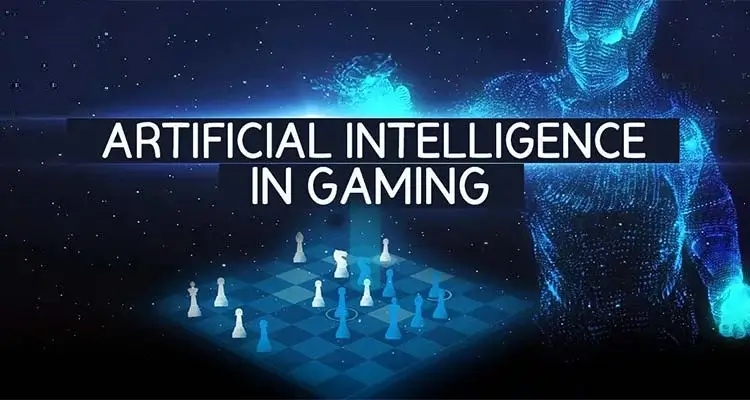
Moreover, as players seek more personalized and lifelike gaming, AI acts as a catalyst for change. It enhances storytelling, customizes game difficulty, and even improves testing and quality control. Therefore, AI isn’t just enhancing games—it’s redefining them.
Smarter NPCs and Realistic Game Behavior
NPCs are now more intelligent and dynamic than ever before. Thanks to AI, they can react to player behavior in real time.
Previously, most NPCs followed scripted paths, making them predictable. Today, machine learning allows NPCs to learn and adapt based on user interactions. For instance, in Middle-earth: Shadow of Mordor, the Nemesis System creates enemies with unique personalities and memories (IGN).

These realistic behaviors deepen immersion and create unpredictable challenges. This ultimately leads to a richer player experience and longer engagement.
AI-Driven Procedural Content Generation
Creating large, diverse worlds takes time. But AI-driven procedural generation helps reduce this burden by automating world creation.
Games like No Man’s Sky use AI to generate entire galaxies, offering a unique experience to every player (No Man’s Sky – About). This method not only saves development time but also ensures nearly infinite exploration.
AI can also generate new missions, dialogue, and terrain dynamically, ensuring that no two playthroughs are alike. This dynamic content significantly boosts replayability and player satisfaction.
Personalized Gameplay and Adaptive Difficulty
AI allows developers to tailor experiences to individual players. This personalization leads to higher engagement and satisfaction.
Games can now analyze a player’s behavior and adjust difficulty levels automatically. Titles like Left 4 Dead use AI “directors” to alter enemy strength and numbers based on player skill (PC Gamer).
Moreover, adaptive AI helps new players ease into the game while challenging experienced gamers. This customization maintains balance, reducing frustration and keeping players coming back.
Automated Testing and Quality Assurance
AI also plays a major role behind the scenes. Automated testing tools powered by AI can quickly identify bugs and performance issues.
Manual game testing is labor-intensive. AI speeds up this process by simulating thousands of gameplay scenarios. Tools like Modl.ai use AI bots to test games continuously, improving time to market and game stability.
By reducing human error and increasing test coverage, developers can release more polished games. In turn, this leads to better reviews and improved user experiences.
Ethical Considerations and Future Challenges
While AI offers many benefits, it also raises ethical concerns. Overreliance on AI may reduce creative input and job opportunities.
There’s also the question of data privacy. Games that use AI for personalization often collect vast amounts of user data. Developers must ensure transparency and secure data handling (GDPR.eu).
As AI continues to evolve, the gaming industry must balance innovation with responsibility. Transparent development practices and player consent should guide future implementations.
Conclusion: The AI-Powered Future of Gaming
AI is no longer a futuristic concept—it’s actively shaping how games are made and played. Its influence extends from smarter gameplay to streamlined development.
As AI grows more sophisticated, expect even more interactive, realistic, and personalized gaming experiences. Embracing AI doesn’t mean abandoning creativity. Instead, it provides new tools that empower developers to reach new heights.
To stay ahead, game creators must continue exploring how AI can redefine their storytelling, gameplay mechanics, and user engagement. The result? A future where games feel more human than ever.