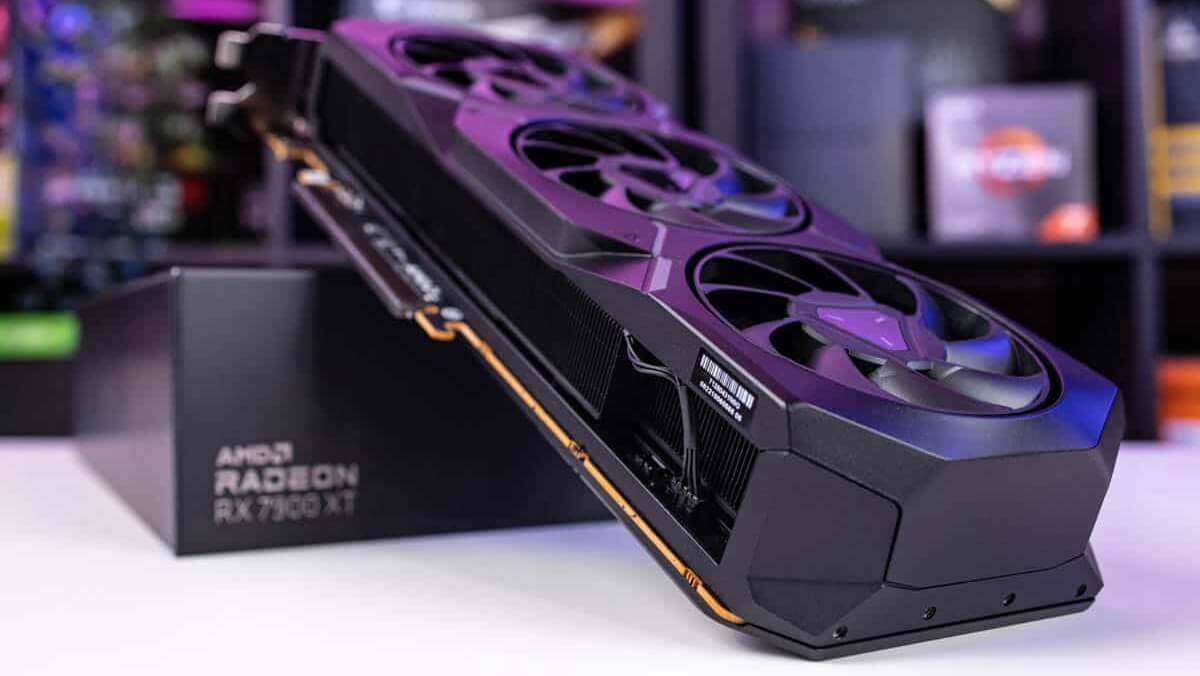
Graphics Processing Units (GPUs) have evolved into one of the most crucial components of modern computing, significantly impacting both the gaming industry and artificial intelligence (AI) advancements. From rendering high-quality graphics to accelerating deep learning models, the architecture of a GPU determines its performance and capabilities. Understanding how GPU architectures work can help gamers choose the best hardware and AI professionals optimize their workloads efficiently.
What is a GPU Architecture?
A GPU’s architecture refers to the underlying hardware design, including its core structure, memory management, processing power, and computational efficiency. Unlike Central Processing Units (CPUs), which focus on sequential task execution, GPUs specialize in parallel processing. This means they can handle thousands of simultaneous calculations, making them perfect for rendering complex 3D scenes in gaming and executing massive AI computations.
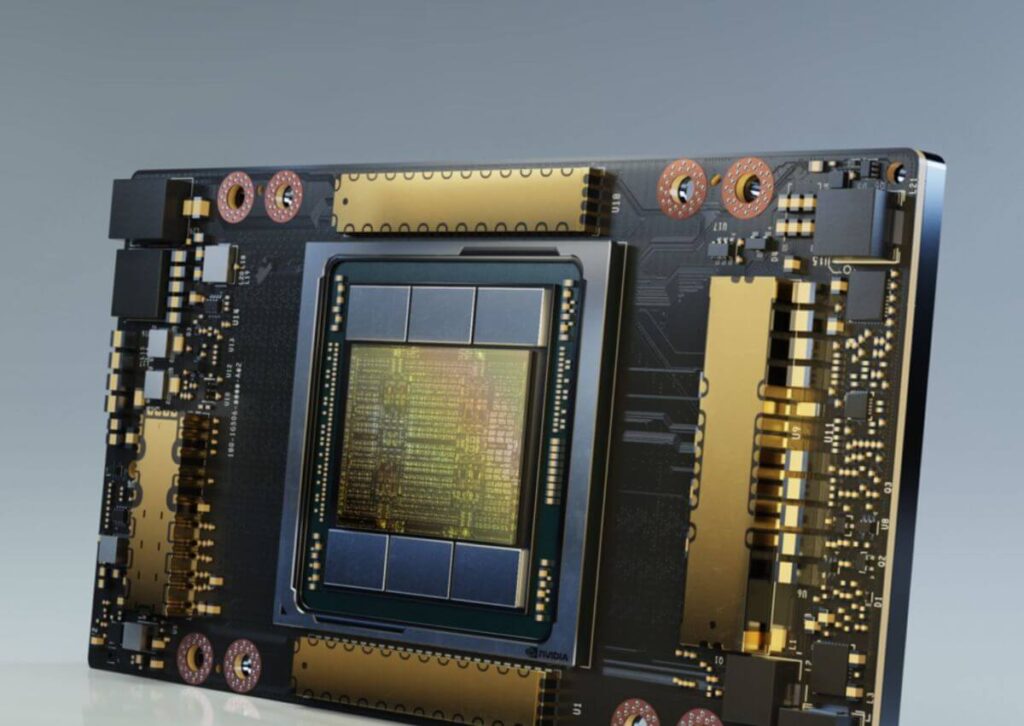
Modern GPU architectures incorporate specialized components such as CUDA cores (for NVIDIA GPUs) and Stream Processors (for AMD GPUs). These units enable massive data parallelism, which is crucial for both gaming and AI applications. Additionally, factors like clock speed, memory bandwidth, and cache structure play an essential role in defining a GPU’s overall efficiency. Learn more about NVIDIA GPU Architecture.
GPU Architectures in Gaming: How They Enhance Performance
Gaming performance is highly dependent on a GPU’s ability to process graphics efficiently. The latest architectures from NVIDIA (such as Ada Lovelace) and AMD (RDNA 3) offer enhancements like ray tracing, upscaling technologies, and improved shading techniques.
1. Real-Time Ray Tracing
Ray tracing is a technology that simulates realistic lighting and shadows, significantly enhancing gaming visuals. With GPU architectures incorporating dedicated ray-tracing cores, such as NVIDIA’s RT cores, modern games achieve cinematic realism by calculating light behavior in real time. This results in more immersive graphics but requires advanced parallel processing capabilities. Discover more about ray tracing in gaming.
2. AI-Driven Graphics Enhancements
Newer GPU architectures integrate AI to improve gaming performance. NVIDIA’s DLSS (Deep Learning Super Sampling) and AMD’s FSR (FidelityFX Super Resolution) use AI to upscale lower-resolution images while maintaining high-quality visuals. These technologies reduce the computational load, allowing games to run at higher frame rates without compromising image quality.
3. Efficient Power Consumption and Heat Management
Power efficiency is another critical factor in gaming GPUs. Architectures optimized for energy-efficient computing, such as AMD’s RDNA 3, incorporate techniques like chiplet design and improved thermal dissipation to prevent overheating and ensure sustained performance during extended gaming sessions. Explore AMD RDNA technology.
How GPU Architectures Drive AI Advancements
In the field of artificial intelligence, GPUs have become essential for training deep learning models and accelerating AI computations. Their parallel processing capabilities make them significantly more efficient than traditional CPUs for AI tasks.
1. Tensor Cores and AI Acceleration
GPUs with dedicated AI processing cores, such as NVIDIA’s Tensor Cores, optimize deep learning computations. These cores enable hardware-accelerated matrix multiplications, speeding up tasks like neural network training, natural language processing, and computer vision.
2. Memory Bandwidth and Large-Scale Data Processing
AI applications require vast amounts of data to be processed in real time. High-end GPU architectures provide increased memory bandwidth and cache optimization, ensuring faster data retrieval and reducing latency in AI inference tasks. Learn about AI applications using GPUs.
3. GPU Virtualization and Cloud AI
Cloud providers like Google Cloud, AWS, and Microsoft Azure leverage modern GPU architectures to offer AI-as-a-service. GPUs optimized for cloud environments support multi-instance configurations, allowing businesses to scale their AI applications efficiently without investing in costly hardware.
Choosing the Right GPU for Gaming and AI
When selecting a GPU, factors like core count, memory size, and architectural efficiency should be considered. For gamers, features like ray tracing and AI upscaling improve visual fidelity, while AI professionals should prioritize tensor cores and memory bandwidth.
External factors such as driver support, software compatibility, and energy efficiency also play a crucial role. NVIDIA’s CUDA ecosystem is widely used for AI workloads, while AMD’s ROCm platform is an emerging alternative.
Conclusion
Understanding GPU architectures is essential for making informed decisions, whether you’re a gamer looking for high-performance graphics or an AI researcher seeking optimal computing power. As technology advances, GPUs will continue to drive innovation in both industries, offering groundbreaking improvements in rendering, real-time processing, and artificial intelligence applications.