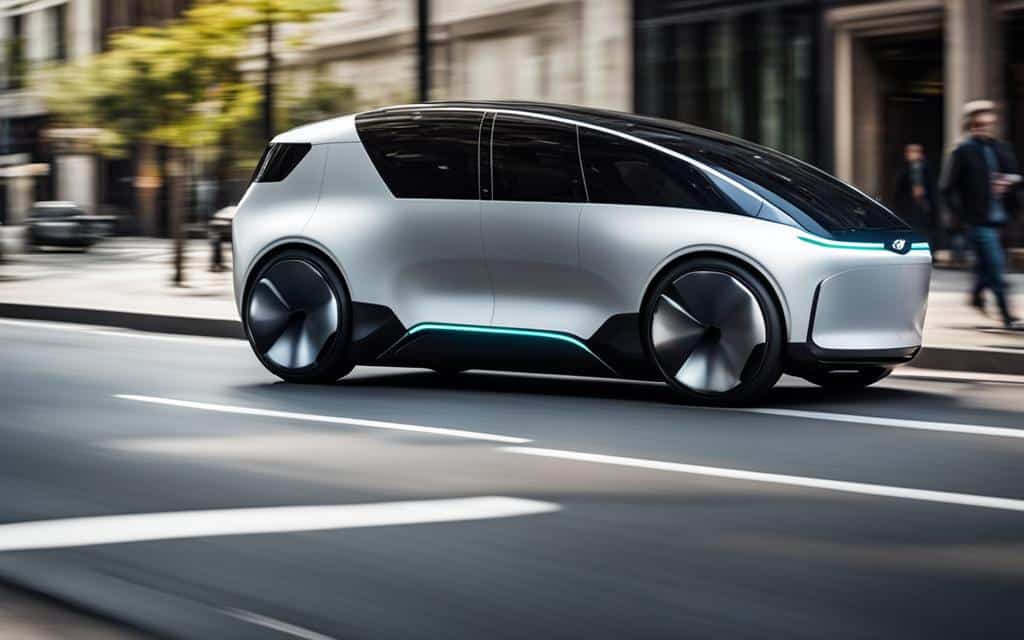
Autonomous vehicles continue reshaping the global transportation landscape in 2026. What once felt experimental now enters structured, real-world deployment phases. As a result, governments, manufacturers, and consumers closely watch every advancement.
Today, autonomous vehicles 2026 development focuses on safety, scalability, and regulation. At the same time, self-driving car technology improves through better sensors and AI models. Therefore, autonomy feels more reliable and commercially viable.
Moreover, urban congestion, labor shortages, and sustainability concerns accelerate adoption. Consequently, autonomous mobility solutions attract massive investment worldwide. This article explores key trends, challenges, and opportunities shaping autonomous vehicles in 2026.
Key Trends Shaping Autonomous Vehicles in 2026
Self-driving car technology now emphasizes incremental autonomy rather than full independence. Manufacturers deploy advanced driver-assistance systems across mass-market vehicles. As a result, semi-autonomous features become mainstream.
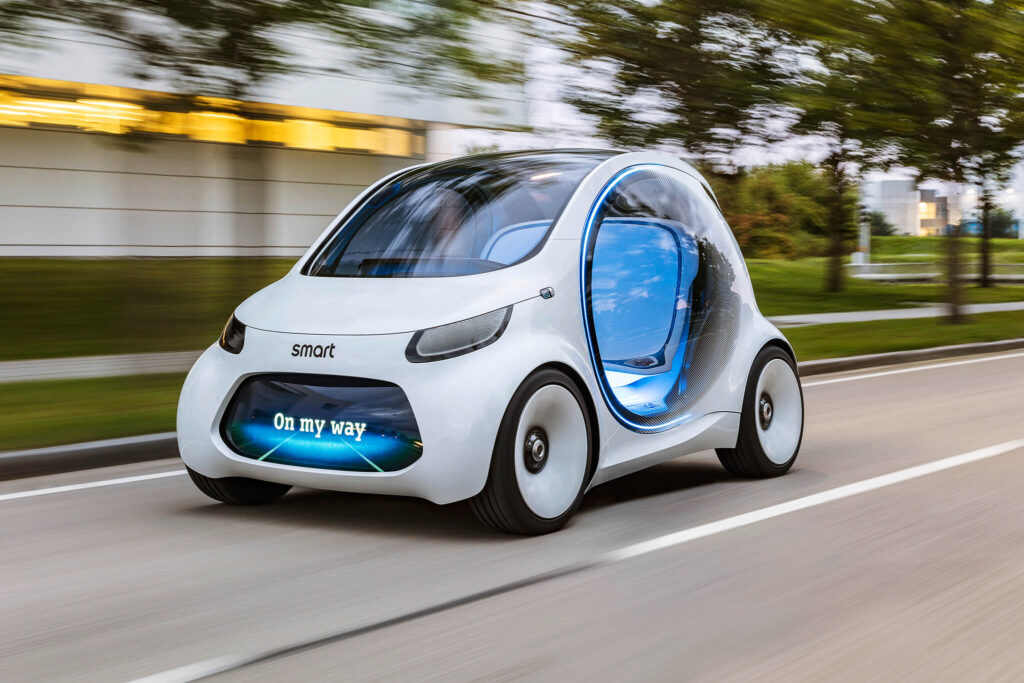
Meanwhile, sensor fusion improves dramatically through lidar, radar, and camera integration. This combination enhances perception accuracy in complex environments. Therefore, vehicles handle unpredictable road conditions more effectively.
Additionally, software-defined vehicles receive continuous over-the-air updates. These updates improve performance without hardware changes. For industry updates, visit https://www.theverge.com/transportation.
Robotaxis and Shared Autonomous Mobility
Robotaxis 2026 represent one of the most visible autonomous vehicle applications. Several cities now host limited commercial robotaxi services. Consequently, public familiarity with autonomous rides continues increasing.
These fleets focus on geofenced urban zones with mapped environments. Such constraints reduce operational risk and improve reliability. Therefore, operators scale cautiously while gathering real-world data.
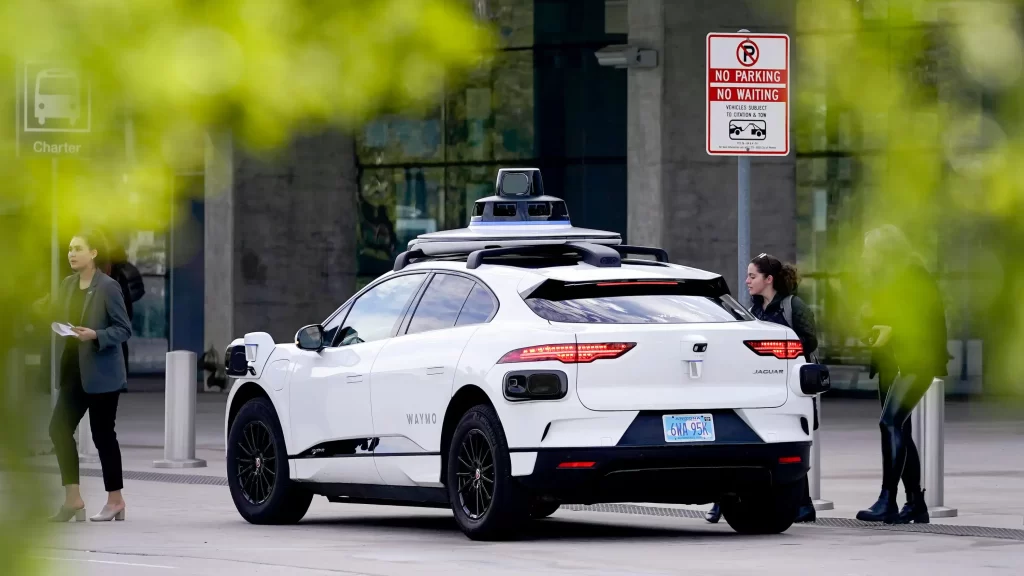
Moreover, shared autonomous mobility reduces congestion and emissions. Cities see robotaxis as complements to public transportation. You can explore robotaxi developments at https://www.cnbc.com/autos/.
AI in Autonomous Driving Systems
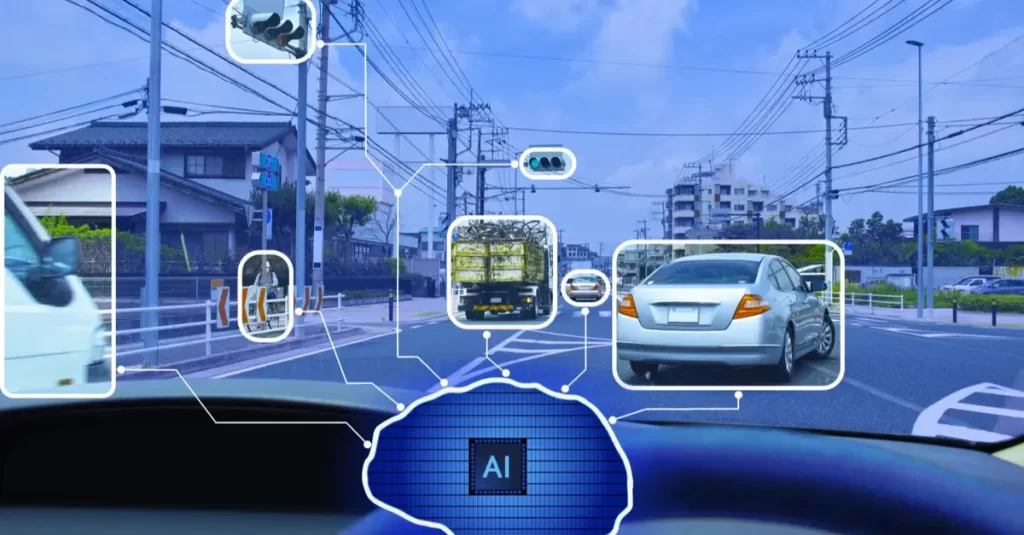
AI in autonomous driving remains the backbone of vehicle decision-making. Machine learning models process sensor data in real time. As a result, vehicles predict behavior and plan safe maneuvers.
Vision-based AI improves object detection and lane recognition accuracy. Meanwhile, reinforcement learning optimizes driving strategies continuously. Therefore, vehicles adapt better to dynamic road conditions.
Furthermore, simulation platforms train AI using billions of virtual miles. This approach accelerates development without physical testing risks. For technical insights, visit https://www.nvidia.com/en-us/self-driving-cars/.
Autonomous Vehicle Safety and Regulation
Autonomous vehicle safety remains the highest priority for regulators and manufacturers. Governments demand extensive testing data before approving deployments. Therefore, transparency and reporting standards continue tightening.
Safety frameworks now focus on fail-safe systems and redundancy. Vehicles must handle sensor failures and edge cases reliably. Consequently, system architecture grows more complex and robust.
Additionally, global regulations remain fragmented across regions. This fragmentation slows international scaling efforts. For regulatory perspectives, visit https://www.weforum.org/topics/mobility/.
Challenges Facing Autonomous Vehicles in 2026
Despite progress, autonomous vehicles still face significant challenges. Complex urban environments introduce unpredictable human behavior. Therefore, edge cases remain difficult to solve.
Weather conditions like heavy rain or fog reduce sensor effectiveness. These limitations require further hardware and software innovation. Consequently, full autonomy remains restricted geographically.
Public trust also develops gradually following high-profile incidents. Manufacturers must communicate safety improvements clearly. For balanced reporting, see https://www.reuters.com/technology/.
Opportunities for Businesses and Cities
Future of mobility opportunities expand beyond personal transportation. Logistics companies deploy autonomous trucks for long-haul routes. As a result, delivery efficiency improves while costs decrease.
Smart cities integrate autonomous vehicles with traffic management systems. This integration optimizes traffic flow and reduces emissions. Therefore, urban planning evolves alongside vehicle autonomy.
Moreover, new jobs emerge in fleet management and AI monitoring. Autonomous vehicles reshape employment rather than eliminate it. For mobility innovation coverage, visit https://www.mckinsey.com/industries/automotive-and-assembly.
Conclusion and Final Thoughts
The future of autonomous vehicles in 2026 balances innovation with responsibility. Technology advances steadily while regulation ensures public safety. As a result, autonomy progresses through practical, real-world applications.
Robotaxis, AI-driven systems, and smart infrastructure create new mobility ecosystems. However, challenges demand patience, transparency, and collaboration. The journey toward full autonomy continues step by step.
Do you trust autonomous vehicles on public roads today?
Share your opinion in the comments and join the conversation.