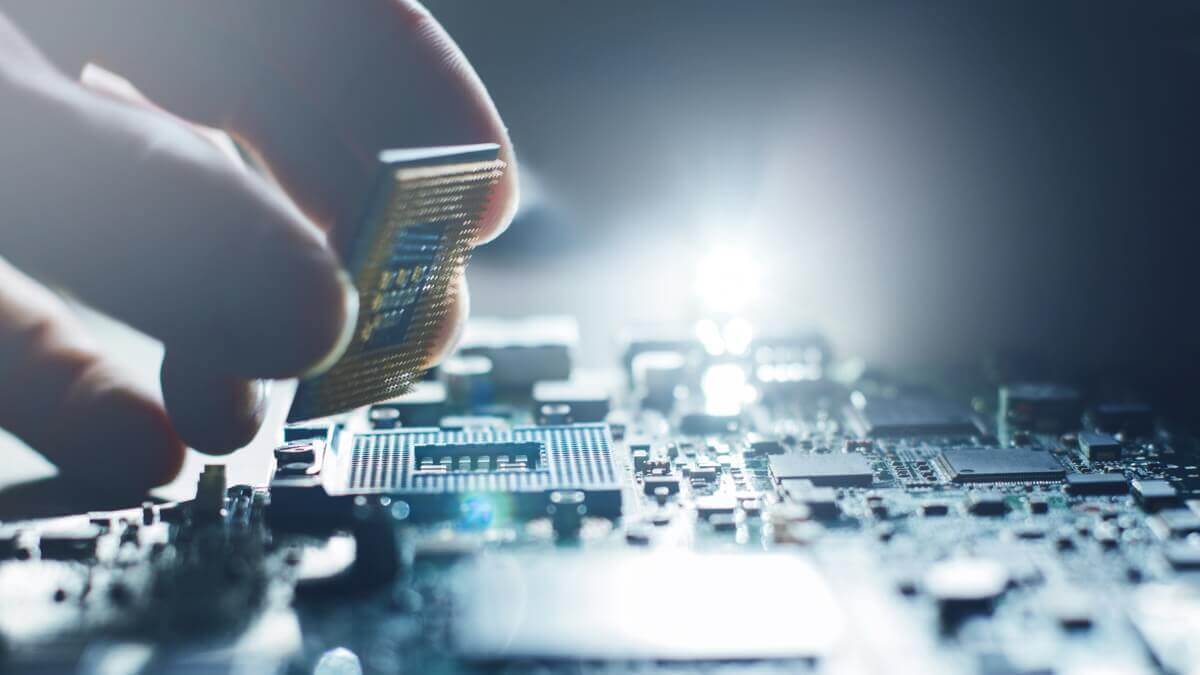
Imagine a world where your devices react instantly. They anticipate your needs without delay. This isn’t science fiction. It is the reality of 2026. This change is due to edge computing hardware, which processes data right where it’s generated. You can learn more about these foundational edge computing concepts to understand the shift.
Traditional data centers, while massive, possess inherent limitations. Consequently, your data travels long distances. This creates perceptible lags. Such latency frustrates users. Therefore, edge-ready hardware brings computation closer to you. It solves these critical problems efficiently. Leading manufacturers like NVIDIA are driving this change with powerful local chips.
Understanding the Core Concepts
Edge computing hardware moves beyond centralized hubs. We define it as specialized equipment. This gear performs data processing near the data source. For example, your smart thermostat analysis happens locally, not in a far-off server. This dramatically impacts distributed computing infrastructure significantly.
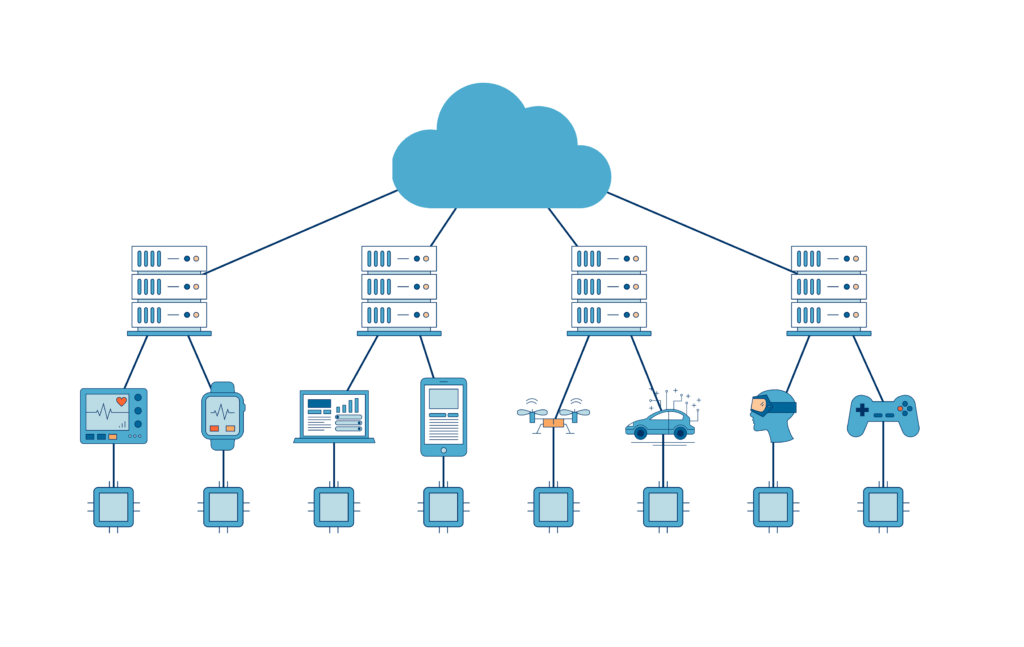
Think of it this way. Central cloud servers are like a city’s main library. Everyone must travel there for information. Conversely, edge hardware is like having book collections in every neighborhood. You access data quickly and easily. Devices become more autonomous. They make decisions faster. This fundamentally changes device capabilities and responsiveness.
Pro-tip: Consider upgrading devices that rely heavily on real-time data. Look for specifications highlighting “on-device AI” or “local processing.” These often indicate integrated edge hardware capabilities.
Unleashing Performance and Speed
This is the most significant change you will notice. With edge computing, low-latency data processing is no longer just a goal; it’s a reality. Your devices don’t wait for round-trips to distant servers. They respond instantly. For more details, see how low latency impacts user satisfaction.
Consider virtual reality gaming. High latency ruins the experience. Images trail behind your movement. However, edge hardware processes input locally. Your movements and the display sync perfectly. Similarly, industrial IoT devices optimize manufacturing processes in real-time. They prevent costly delays and optimize performance. Self-driving cars make split-second decisions based on local data, ensuring safety. This performance leap transforms user experiences completely.
The Revolution in Real-Time Applications
Edge computing hardware is especially crucial for time-sensitive tasks. Consider an autonomous vehicle navigating a busy intersection. The car sensors generate massive data streams. A small delay could lead to catastrophic results.
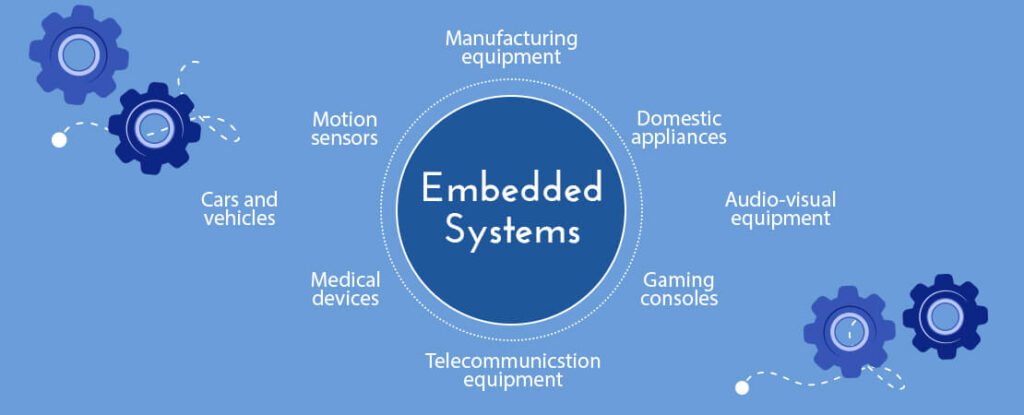
Wait times become unacceptable. Instead, edge hardware within the vehicle processes critical information instantly. It identifies pedestrians. It spots other cars and makes quick steering adjustments. This embedded systems technology saves lives by enabling immediate responses. The same logic applies to robotic surgery, robotic systems, and instant fraud detection. Lives and resources depend on these real-time capabilities. You can explore embedded technology trends to see what is coming next.
Mastering Data Handling and Security
Beyond speed, edge hardware excels in efficient data management. Your devices collect large amounts of data. Sending all this information to the cloud is costly. It also poses major privacy and security risks.
Edge computing significantly reduces these concerns. It processes most data locally. For example, your home security camera analyzes video on the device itself. Only unusual events, like a detected intruder, get sent to the cloud. This saves considerable bandwidth.
Crucially, edge devices for AI inference improve security. Your sensitive face recognition data, for example, stays on your phone. It never travels across the internet to a central server. This minimizes data breach risks and ensures better data localization strategies. This approach empowers you with greater control. Organizations like the Edge Computing Consortium work to standardize these security practices globally.
Warning: Do not assume all edge devices are inherently secure. Check manufacturer specifications regarding built-in security features and software update policies. Always secure your local network diligently.
Looking Ahead to the Future of Connection
The year 2026 marks just the beginning. The demand for edge hardware will grow rapidly. Developers will find new, innovative uses for it. Smart cities will manage traffic and energy more effectively. Healthcare will become more personalized. Your personalized learning experiences will adapt in real-time.
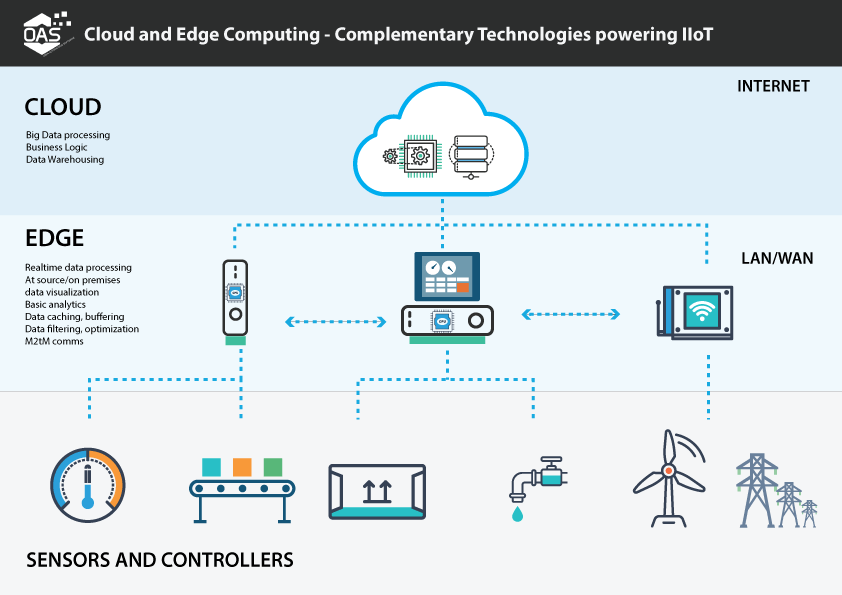
Seamless edge-to-cloud integration will become common. Devices will automatically decide where to process data. Smaller, less critical tasks will stay on the edge. Larger, complex analytics will move to the cloud. This dynamic approach will optimize every interaction. The possibilities seem truly endless.
Final Thoughts: The Edge is Now
Edge computing hardware is not just a trend. It’s a fundamental shift in computing. This technology empowers our daily devices. They become smarter, faster, and more secure. We move away from total dependency on distant servers.
This change is good for everyone. It makes our lives smoother. It enables amazing new technologies. The speed of innovation is accelerating rapidly. We are on the verge of incredible breakthroughs. The future of a more connected, responsive world is truly here.
What everyday device do you want to see become significantly faster using edge computing? Please share your thoughts and ideas in the comments below! We are eager to hear your unique perspectives on this exciting technological evolution.