
The traditional landscape of software development is undergoing a seismic shift. For decades, building robust applications required extensive coding knowledge. Now, however, innovative tools known as low-code and no-code platforms are changing the game completely. These platforms empower individuals, even those without formal programming backgrounds, to design, build, and deploy useful applications quickly. Think of them as intuitive, drag-and-drop interfaces for software creation, democratizing the entire development process. This revolution is creating a new generation of application creators often referred to as “citizen developers.”
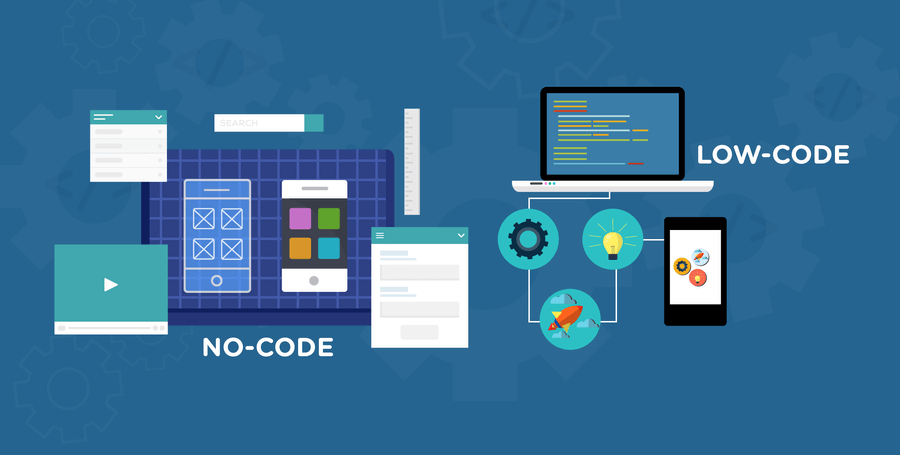
But what are these no-code and low-code platforms exactly? Low-code platforms typically require minimal coding, offering visual development environments combined with a degree of customization through actual scripting. On the other hand, no-code platforms generally eliminate the need for coding entirely. They allow users to build applications using visual tools and pre-built components, making the process faster and more accessible. Imagine using building blocks to create powerful digital solutions without needing an engineering degree. It’s a fundamental democratization that bridges the technical gap and significantly accelerates innovation.
This movement isn’t just about simplification; it’s about empowerment and efficiency. Previously, a single, complex idea might languish in an IT bottleneck. Now, departments like HR or marketing can build internal tools. They can create streamlined processes without waiting months for IT resources. This shift fosters a culture of agility and faster problem-solving within organizations. The potential to dramatically improve operations is a significant driver behind the widespread adoption of these technologies.
Power to the People: Building Apps with No-Code Development Tools
No-code development platforms have genuinely leveled the playing field for non-technical users. They provide extensive libraries of pre-built components and intuitive drag-and-drop interfaces. Users can easily connect data sources, design user interfaces, and establish logic workflows. Imagine building a customer feedback app. You simply drag fields for ratings, comments, and contact info onto a canvas. The platform seamlessly handles the underlying technical complexities and data storage. Therefore, someone with zero programming knowledge can design a completely functional application.
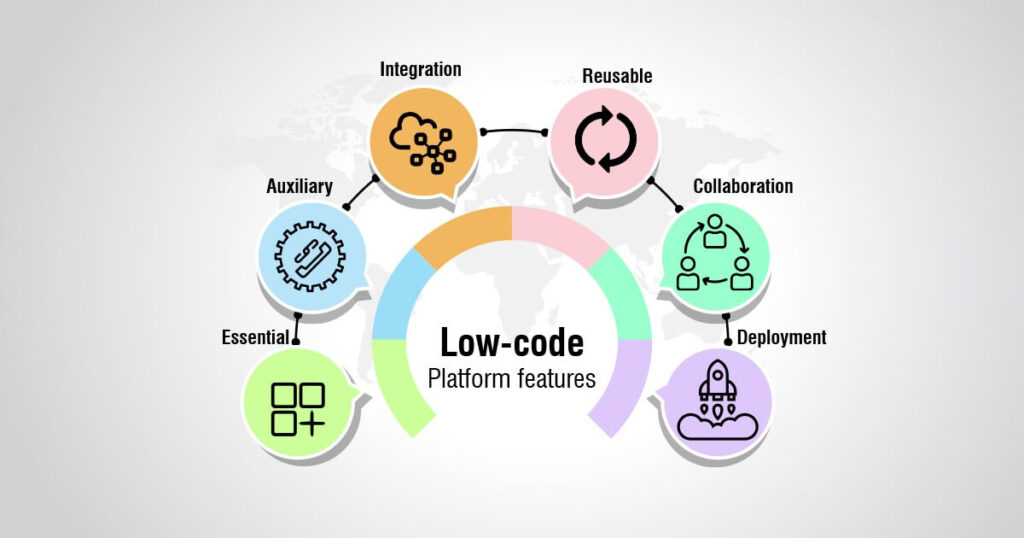
The benefits of utilizing these tools extend far beyond just accessibility and speed. They enable rapidly testing and iterating on ideas, allowing users to validate concepts before dedicating substantial time and resources. Furthermore, they drastically reduce dependency on overloaded IT departments. This newfound autonomy empowers teams to innovate independently. Organizations become considerably more agile in responding to changing market demands. Consequently, the adoption of these tools is rapidly transforming the modern business environment.
Pro-tip: Focus on solving small, high-impact problems first with no-code tools. It builds quick wins and confidence.
However, one must be cautious. These no-code development tools often have limitations. They might not perfectly suit extremely intricate logic or highly unique functionalities. Security and data governance also require careful attention. Understanding the platforms’ guardrails and limitations is therefore essential before committing large-scale projects. While they offer speed and accessibility, acknowledging their boundaries is crucial for avoiding long-term technical issues and data security risks.
Streamlined Solutions: Unlocking the Benefits of Low-Code and No-Code
The primary and perhaps most significant advantage lies in accelerated application development cycles. Low-code and no-code platforms drastically reduce development time by eliminating the requirement to write complex code from scratch. Solutions can often be prototyped and deployed in weeks or even days. Consequently, businesses can respond to market opportunities with unprecedented speed. Rapid prototyping and faster time-to-market provide a considerable competitive advantage in today’s fast-paced digital landscape.
Furthermore, these platforms dramatically lower overall development costs. They minimize the need for hiring expensive professional developers. Existing teams can consequently build solutions without costly external resources or significant delays. Small businesses can thus afford custom-built applications previously out of reach. Ultimately, this approach reduces the total cost of ownership over the application lifecycle. The cost efficiency achieved is significant and appealing to organizations of all sizes.
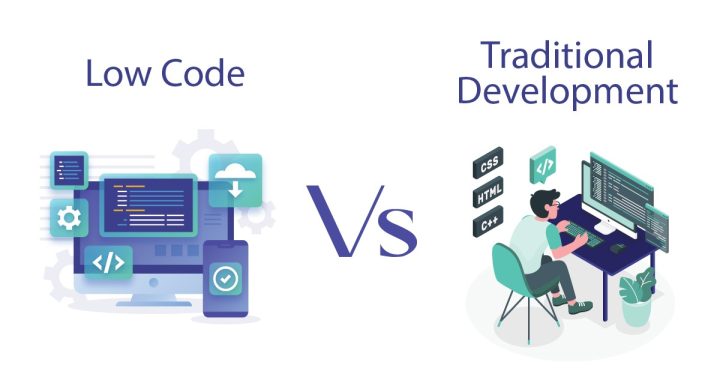
Improved organizational agility is another critical benefit to consider. Low-code and no-code tools enable quick adjustments to applications as business needs rapidly evolve. Teams can modify functionality or add features in real-time, bypassing lengthy, traditional development cycles. This allows organizations to stay ahead of the curve constantly. In essence, the entire business becomes more responsive and adaptive. Hence, they foster a culture of continuous improvement and adaptation.
Finally, low-code and no-code enable enhanced collaboration. Business users and developers can effectively work together. They can use a visual language everyone truly understands, reducing communication gaps. Business stakeholders can clearly define requirements by building initial prototypes directly. This collaborative approach leads to solutions that genuinely address real business challenges. Ultimately, it leads to higher adoption rates and greater satisfaction.
Automate Everything: Improving Efficiency with Automation
Low-code and no-code tools are not solely focused on application creation. They are also incredibly powerful instruments for extensive process and task automation. Many platforms provide visual workflow builders. These allow users to connect disparate applications and automate repetitive manual actions seamlessly. For example, you can create a simple automation that triggers an email notification whenever a specific data entry is updated in another system. Therefore, they significantly reduce manual workload.
Automation through low-code tools dramatically improves overall operational efficiency. They eliminate human errors inherent in manual processes and tedious data entry. This optimization allows employees to dedicate their valuable time to more strategic and creative tasks, driving greater innovation and business value. Additionally, it ensures consistency and predictability in everyday operations, leading to improved reliability and performance. Consequently, overall productivity experiences a noticeable boost.
Furthermore, these tools empower departmental teams to automate their specific workflows independently. Marketing can automate lead nurturing sequences effortlessly, and finance can streamline invoice processing workflows. This decentralization of automation dramatically speeds up digital transformation efforts across the entire organization. Therefore, departments are no longer completely dependent on IT for every simple automation request. In fact, it fosters a culture of innovation at every single level.
Warning: Thoroughly test all automated workflows with a small subset of data. An error can easily propagate and create large issues.
However, excessive automation without proper governance can quickly lead to complexity and fragmentation. It is absolutely crucial to maintain clear visibility into all automated processes throughout the organization. Otherwise, managing a large number of independent and disconnected automations can become highly problematic. Establishing strong guidelines and implementing centralized oversight are crucial steps. This ensures that the collective automation landscape remains manageable and completely aligned with overall business strategy.
Expanding the Toolkit: Beyond Just Web Apps
While often associated purely with web applications, low-code and no-code platforms extend their reach significantly. Users can build native mobile apps for iOS and Android with remarkably intuitive visual interfaces. This capability empowers businesses of all sizes to quickly create dedicated mobile experiences for their valuable customers and internal employees. They can consequently reach audiences wherever they are more effectively.
Furthermore, low-code can accelerate the development of complex enterprise applications. These platforms provide robust integration capabilities. They connect with existing systems such as ERPs and CRMs seamlessly. Therefore, professional developers can use them to build scalable back-ends and complex business logic far more efficiently than with traditional methods. It effectively boosts developer productivity rather than just replacing them entirely.
We are also seeing incredible low-code and no-code platforms for integrating powerful AI features into applications. Users can add capabilities like sentiment analysis or chatbots without any specialized knowledge in machine learning. This is democratizing access to cutting-edge AI functionalities for many organizations. It allows businesses to enhance their applications and quickly create more engaging user experiences. Thus, the possibilities are expanding at a truly remarkable rate.
Conclusion and Call-to-Action
Low-code and no-code platforms are unquestionably democratizing software development. They are empowering a wider range of individuals to become citizen developers and actively participate in creating powerful digital solutions. The potential for driving innovation and rapidly improving overall business efficiency is truly immense. Embracing these transformative technologies represents not just a strategic advantage but a fundamental shift in how we approach problem-solving and application delivery in the modern era.
Are you actively exploring low-code or no-code development tools within your own organization? We would absolutely love to hear about your specific experiences and insights! Please feel free to share your thoughts, successes, or even challenges in the comments section down below. Your valuable input can help others who are navigating their way through this incredibly exciting and rapidly evolving landscape. Let’s foster a vibrant community discussion together!