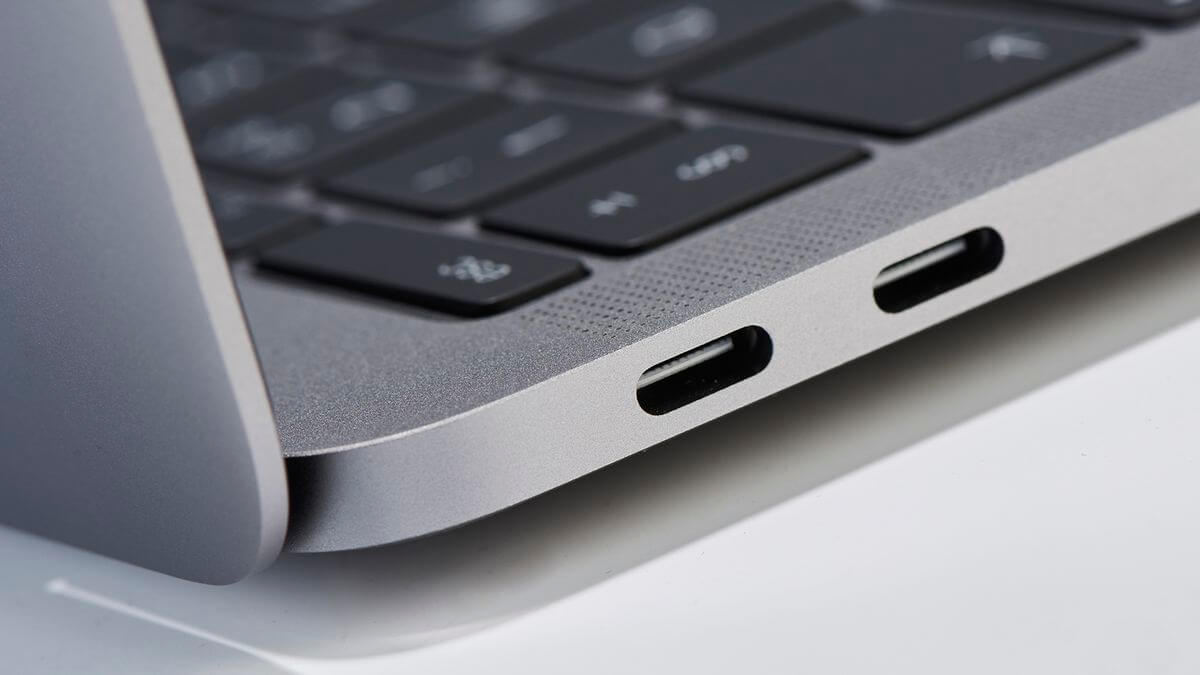
The era of the “junk drawer” filled with tangled, proprietary wires is finally ending. In 2026, the tech world is witnessing a massive shift as USB-C standardization becomes the mandatory law of the land for almost every portable gadget. This movement, largely sparked by European Union mandates, has forced a global ripple effect that simplifies how we power our lives. By adopting a universal charger policy, manufacturers are no longer just offering convenience; they are following a legal requirement to reduce electronic waste.
This transition means you can now use the same cable for your high-end camera, your wireless earbuds, and even your toothbrush. We are moving away from the confusion of the past where every brand required a specific plug. Today, the focus is on a streamlined ecosystem where interoperability is the new baseline for consumer electronics.
Global Impact of a Universal Charger
Governments across the globe are now prioritizing sustainability and consumer savings over corporate proprietary designs. The European Union led the charge by requiring all mobile phones and tablets to use the Type-C port by late 2024. However, the most significant milestone occurs this year in 2026 as laptops officially join the mandatory compliance list. This means any new portable computer sold in major markets must support this versatile interface for power delivery.
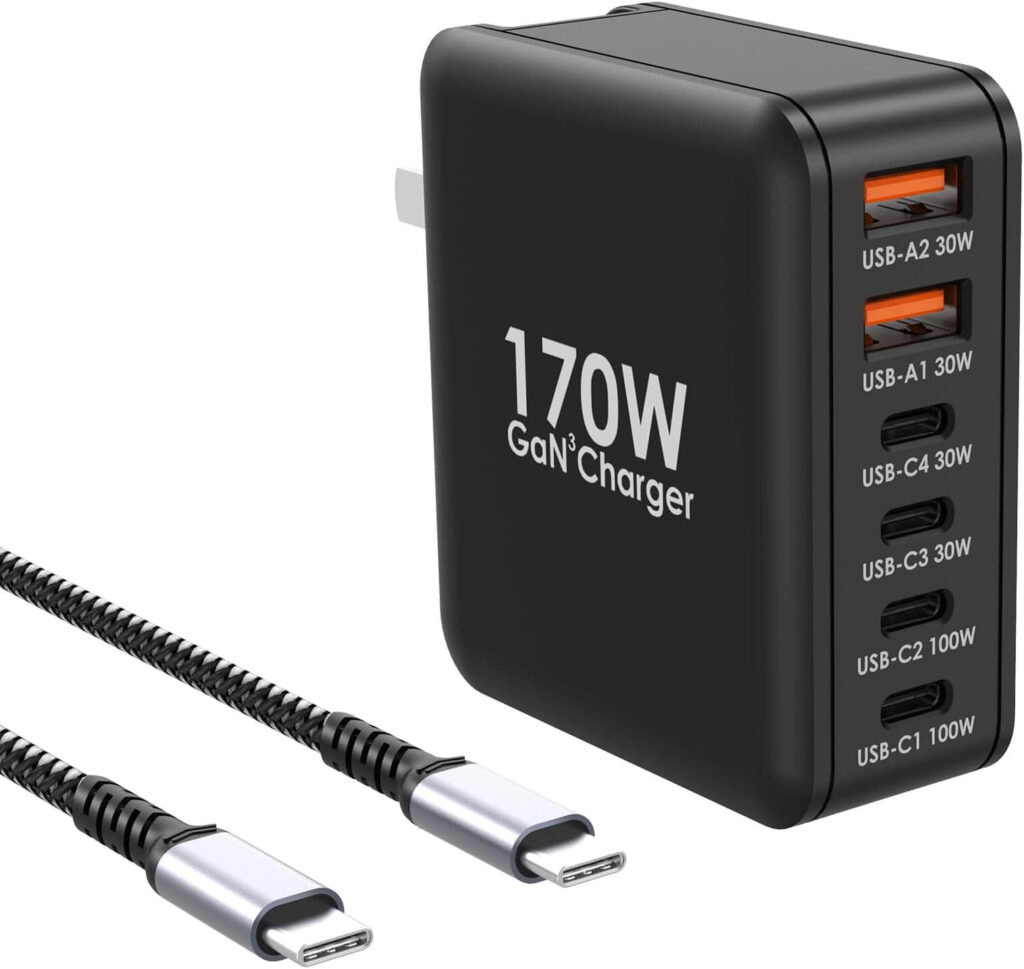
Beyond Europe, countries like India and regions like California have implemented similar laws to harmonize the market. These regulations aim to slash the 11,000 tons of e-waste generated annually from discarded or unused power bricks. Consequently, consumers are saving hundreds of millions of euros and dollars because they no longer need to buy redundant accessories. You can read more about these legislative shifts on The European Commission’s official site.
How USB-C Standardization Transforms Laptops
The inclusion of computers in the 2026 mandate is a massive win for mobile professionals and students alike. For years, laptop users carried bulky, brick-like power adapters that worked with only one specific model. Now, USB-C standardization ensures that a single high-wattage cable can charge your workstation at peak speeds. Modern USB Power Delivery (USB-PD) specs now support up to 240W, which is plenty for even beefy gaming rigs.
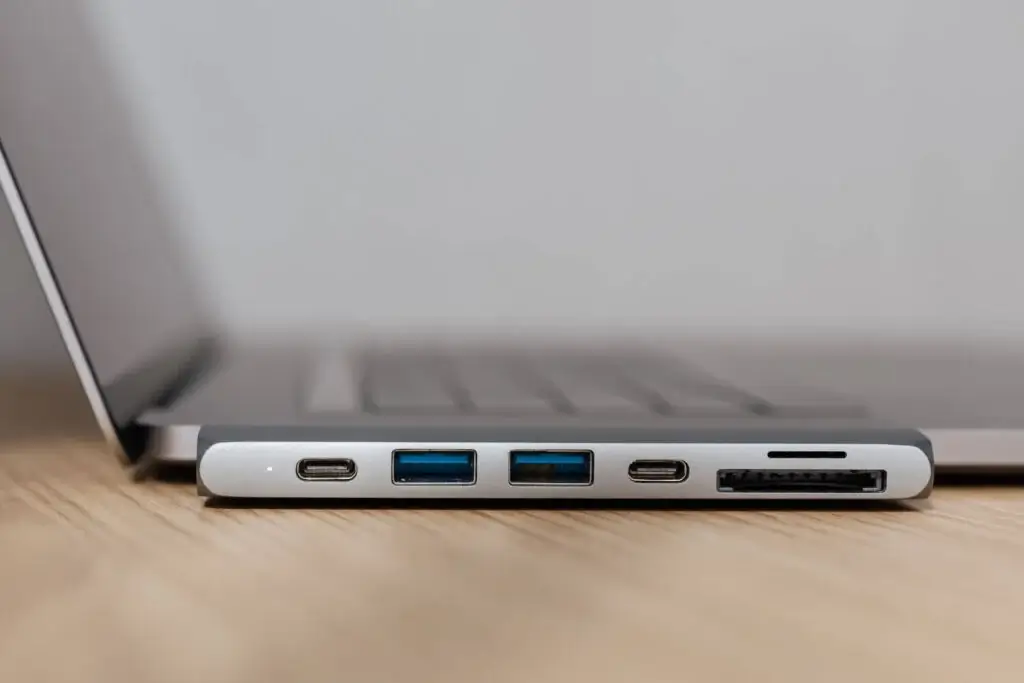
Standardization also simplifies the “desk setup” experience significantly through better docking solutions. One single cable can now handle 4K video output, high-speed data transfer, and power simultaneously. This creates a cleaner workspace and reduces the need for expensive, brand-specific docking stations. For a deeper look at the technical specifications of these ports, visit the USB Implementers Forum.
Streamlining Mobile Devices and Peripherals
The impact on mobile devices has been the most visible part of this technological revolution. Even the most stubborn manufacturers have finally ditched proprietary ports in favor of the reversible Type-C connector. This shift allows for much faster data syncing and rapid charging across different brands of smartphones. Because the hardware is now identical, software optimizations for charging efficiency have become the new competitive frontier.
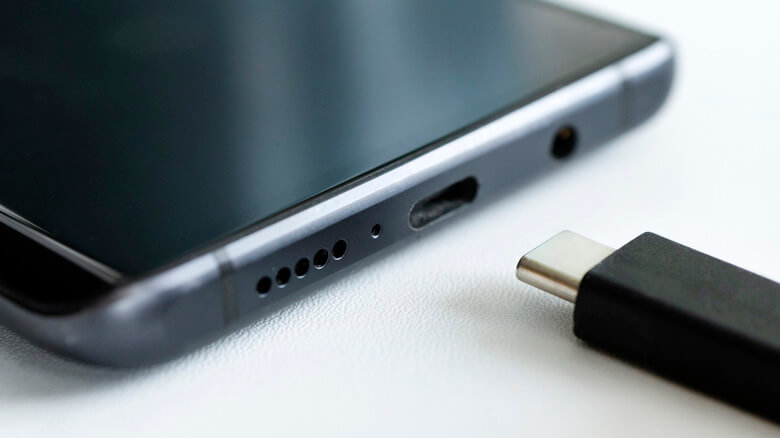
Furthermore, peripherals like mice, keyboards, and external drives have reached a state of total harmony. You no longer need to check if your new mouse comes with a “micro” or “mini” USB cable. Everything simply works with the wires you already own. This ecosystem-wide compatibility is explored in detail by iFixit’s sustainability reports, which highlight how standard parts make devices easier to repair and maintain.
Environmental Benefits of Universal USB-C Adoption
Sustainability is the core driver behind the push for universal USB-C adoption in the consumer market. When every device uses the same port, manufacturers can stop including a new charger in every single box. This “unbundling” strategy significantly reduces the carbon footprint associated with manufacturing and shipping heavy copper components. It encourages a circular economy where cables are reused for years rather than months.
Environmental groups have long advocated for this change to prevent toxic materials from entering landfills. By reducing the volume of cables produced, we also save vast amounts of raw materials like plastic and metal. You can find more data on the environmental impact of electronics at the Global E-waste Monitor.
Final Thoughts
The year 2026 marks the definitive end of the “cable chaos” era that plagued the early digital age. Through USB-C standardization, we have achieved a more sustainable, affordable, and user-friendly world. Whether you are charging a laptop or syncing a phone, the process is now seamless and predictable. This is a rare moment where regulation and innovation have aligned perfectly to benefit the average person.
What do you think about the death of proprietary chargers? Have you noticed a difference in your daily tech routine yet? Let us know in the comments below!