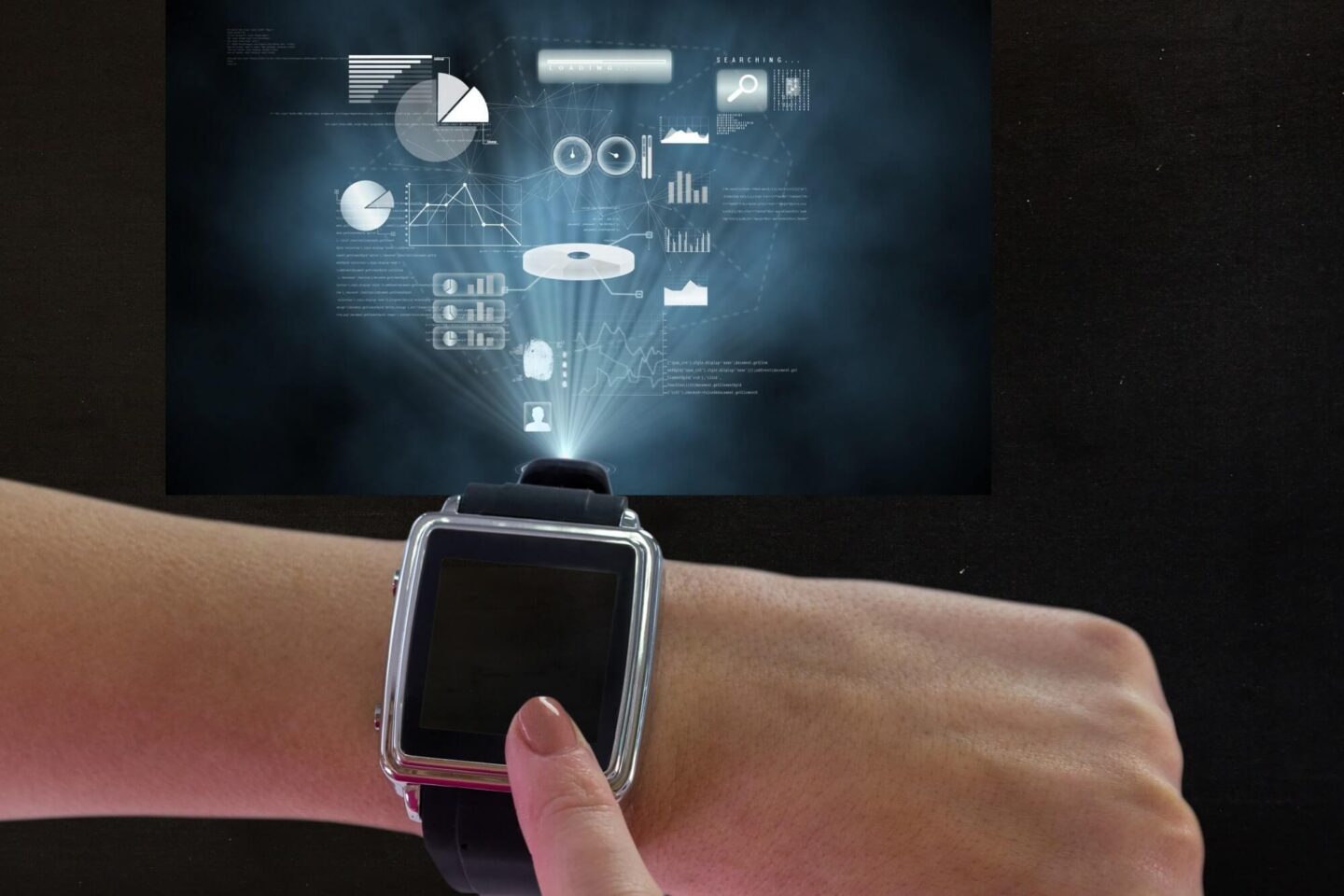
AI-integrated wearables are rapidly transforming how people interact with technology daily. These devices now combine advanced sensors with real-time artificial intelligence processing. As a result, wearables feel more intuitive, responsive, and personalized than ever before.
In particular, AI-integrated wearables and smart wearable technology now extend beyond fitness tracking. They actively analyze behavior, health patterns, and environmental data continuously. Therefore, users receive insights instead of raw numbers.
Moreover, growing consumer demand drives innovation across health, productivity, and lifestyle use cases. Manufacturers also focus on smaller designs with stronger computing power. Consequently, AI wearables are becoming essential personal tech companions.
What AI-Integrated Wearables Really Mean Today
Artificial intelligence in wearables refers to on-device or hybrid AI decision-making. These systems interpret data locally while syncing selectively with cloud platforms. As a result, devices respond faster and protect user privacy more effectively.
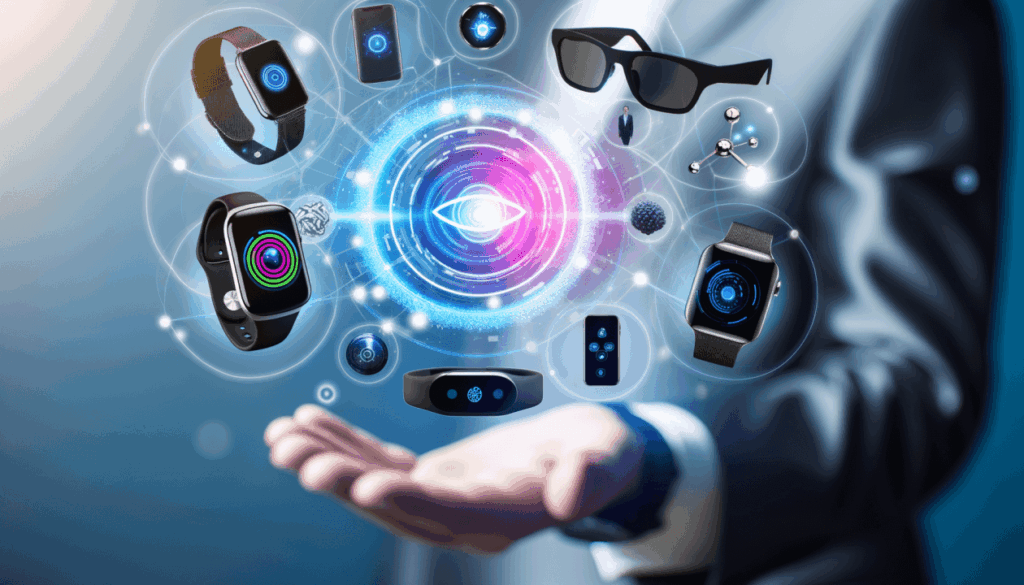
Unlike earlier wearables, AI-enabled devices adapt behavior based on context. For example, they adjust alerts depending on location, stress levels, or routines. Therefore, users avoid notification overload and irrelevant feedback.
Additionally, AI models continuously learn from long-term usage patterns. This learning improves accuracy and personalization over time. For an industry overview, visit https://www.theverge.com/wearables.
Health Monitoring with AI-Powered Wearables
AI health monitoring devices represent the fastest-growing wearable segment. These devices analyze biometric data using predictive and pattern-recognition models. As a result, health insights become proactive rather than reactive.
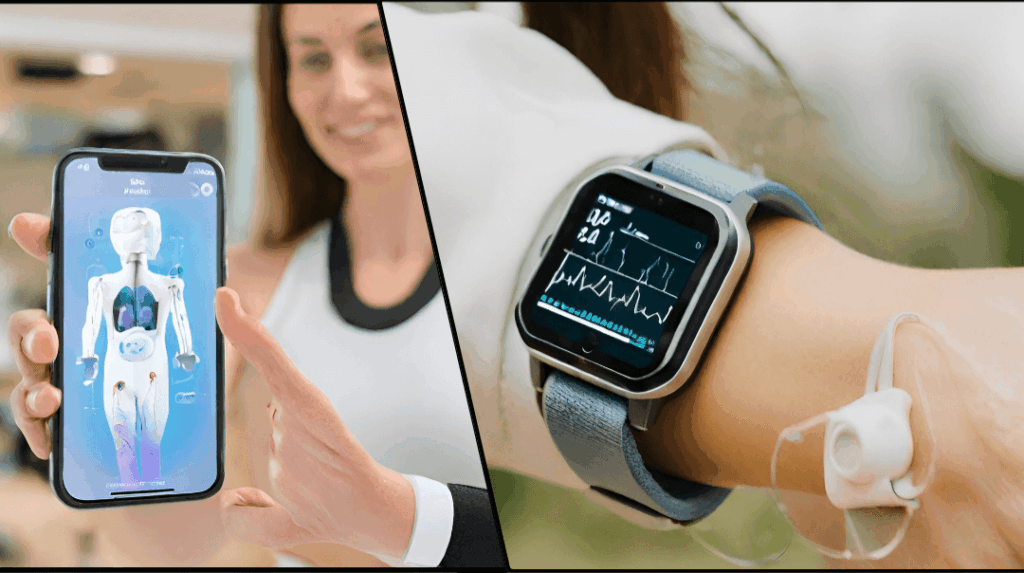
Smart rings and patches now detect early signs of fatigue or illness. Similarly, AI algorithms analyze heart rhythm irregularities continuously. Therefore, users receive early warnings before symptoms escalate.
Moreover, AI wearables support chronic condition management effectively. They assist with diabetes trends, sleep disorders, and stress regulation. You can explore medical wearable trends at https://www.wired.com/tag/health-tech/.
AI Wearables and Personalized Fitness Experiences
AI fitness wearables now deliver tailored training experiences automatically. These devices analyze movement quality, recovery, and endurance levels. Consequently, workouts adjust in real time to user performance.
Unlike static fitness plans, AI wearables adapt intensity daily. They consider sleep quality, heart rate variability, and stress metrics. Therefore, users reduce injury risk while improving results.
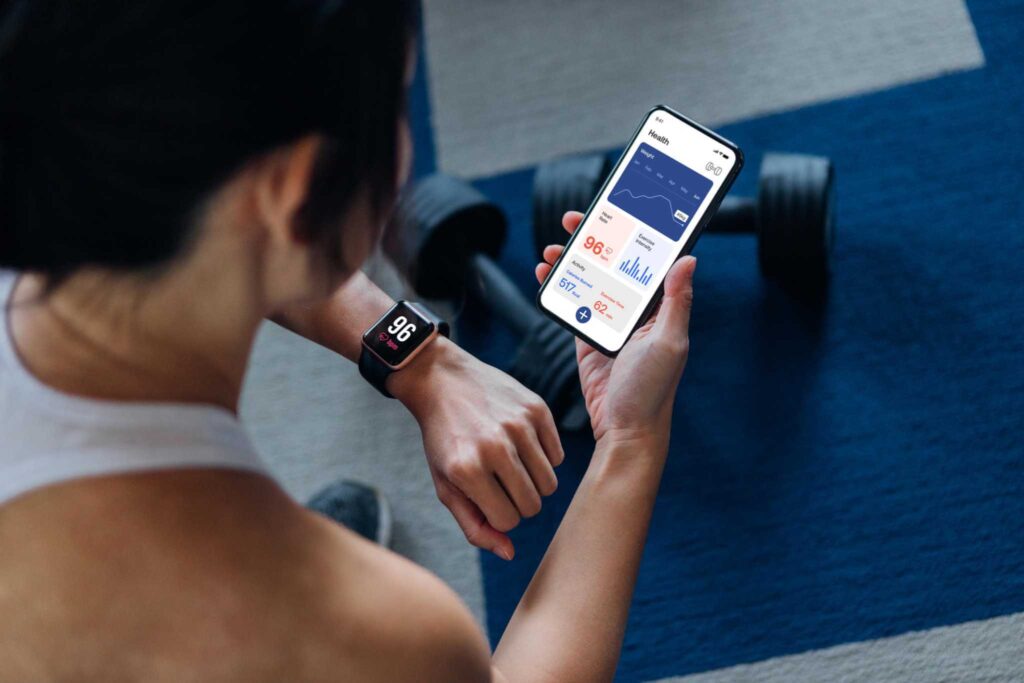
Furthermore, AI coaching features replace generic audio prompts. They provide contextual feedback during workouts and recovery phases. For fitness innovation insights, visit https://www.cnet.com/health/fitness/.
Smart Wearable Technology Beyond Health and Fitness
Smart wearable technology now supports productivity and daily decision-making. AI-enabled smart glasses assist with navigation, translation, and task reminders. As a result, users access information hands-free and instantly.
Wearable AI assistants also manage schedules and prioritize notifications intelligently. They analyze calendars, emails, and behavior patterns continuously. Therefore, professionals experience reduced cognitive overload.
Additionally, wearables integrate with smart home and vehicle ecosystems. This integration enables seamless transitions across environments. Learn more about smart ecosystems at https://www.digitaltrends.com/mobile/.
Privacy and On-Device AI in Wearables
Personal tech wearables now emphasize privacy-first AI architectures. Manufacturers increasingly process data directly on the device. Consequently, sensitive biometric information remains more secure.
On-device AI reduces reliance on constant cloud connectivity. This approach improves reliability and battery efficiency. Therefore, wearables function effectively even offline.
Moreover, companies introduce transparent data-control dashboards. Users can manage permissions and data retention easily. For privacy discussions, visit https://www.fastcompany.com/technology.
Challenges Facing AI-Integrated Wearables
Despite rapid progress, AI wearables still face technical challenges. Battery life remains a critical constraint for advanced processing. Therefore, chipmakers focus on energy-efficient AI accelerators.
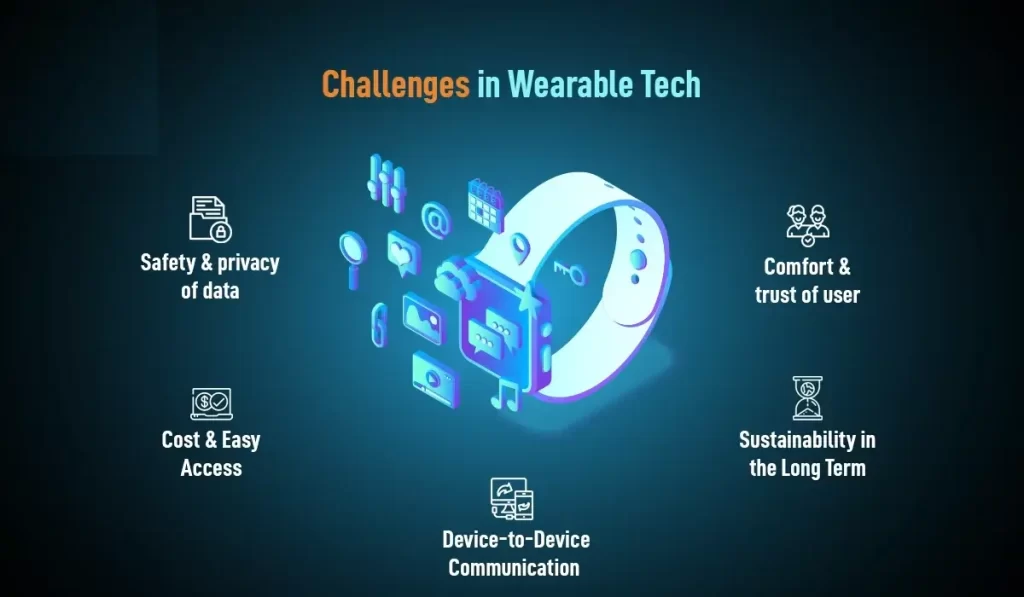
Data accuracy also depends on sensor quality and placement. Poor calibration can reduce insight reliability. Consequently, manufacturers invest heavily in sensor innovation.
Additionally, regulatory approval slows medical-grade wearable adoption. Compliance requirements vary across regions and use cases. You can review regulatory perspectives at https://www.weforum.org/topics/healthcare/.
Conclusion and Final Thoughts
AI-integrated wearables represent the next frontier in personal technology evolution. They shift devices from passive trackers to intelligent decision-making companions. As a result, users gain actionable insights that improve daily life.
Health, fitness, and productivity benefits continue expanding rapidly. Meanwhile, privacy-focused AI strengthens consumer trust. This balance will define long-term wearable adoption.
What AI wearable feature would you use every day?
Share your thoughts in the comments and join the discussion.