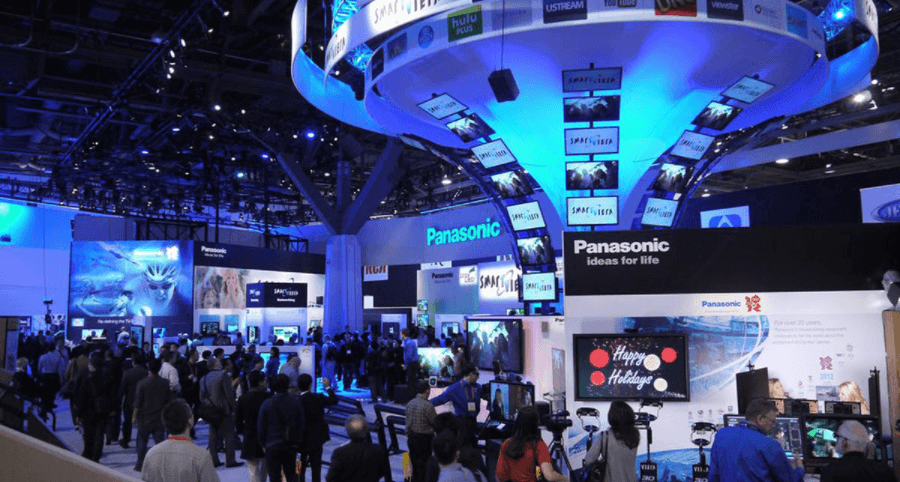
CES 2026 showcased a powerful shift in how consumer technology integrates into daily life. This year, innovation focused on intelligence, autonomy, and human-centered design. As a result, technology felt more personal, adaptive, and purpose-driven than ever before.
Notably, CES 2026 consumer tech trends emphasized practical applications over futuristic concepts. Meanwhile, AI-powered consumer devices dominated product launches and keynote demonstrations. Therefore, consumers can expect smarter, more intuitive technology entering the market rapidly.
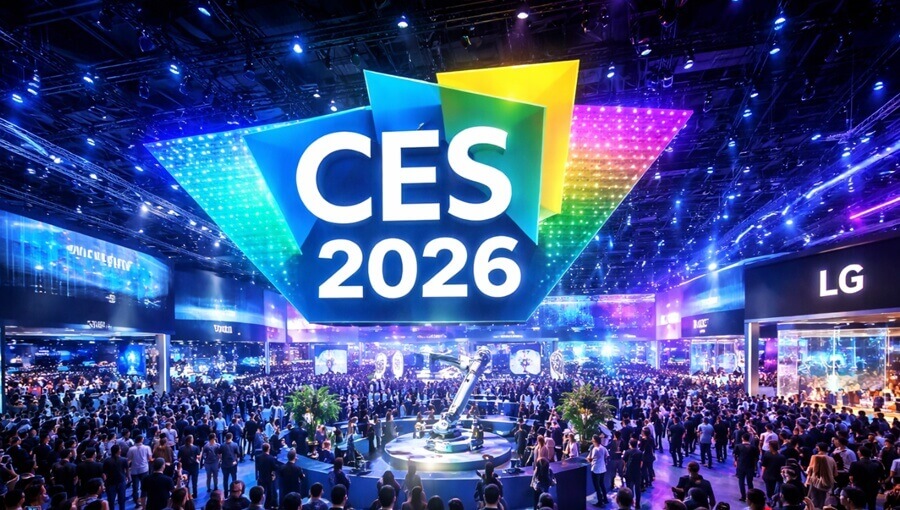
Additionally, manufacturers focused on affordability, energy efficiency, and seamless ecosystem integration. Consequently, adoption barriers continue to decrease for mainstream users. This article explores the most impactful innovations from CES 2026 across AI, robotics, and wearables.
Artificial Intelligence Takes Center Stage in Consumer Tech
Artificial intelligence gadgets emerged as the defining theme at CES 2026. Manufacturers embedded on-device AI to enhance privacy and reduce cloud dependency. As a result, devices now respond faster while keeping personal data more secure.

Smart TVs now personalize content using real-time viewing behavior. Similarly, AI-powered laptops dynamically optimize battery life and performance. Therefore, users experience improved efficiency without manual adjustments.
Moreover, AI assistants evolved beyond voice commands into contextual digital companions. These assistants understand routines, preferences, and emotional cues more accurately. For broader AI trends, visit https://www.theverge.com/tech.
Home Robots Move from Novelty to Necessity
Home robots CES 2026 announcements showed clear maturity in robotics technology. Robots now perform meaningful household tasks with improved navigation and dexterity. Consequently, consumers view robots as productivity tools rather than entertainment devices.
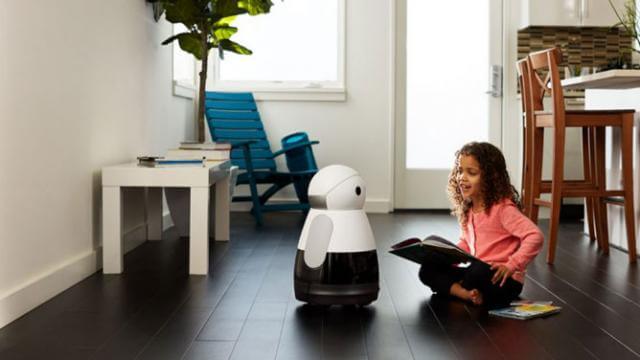
Robotic vacuum systems now include object recognition and adaptive floor mapping. Additionally, kitchen robots assist with meal preparation and inventory tracking. Therefore, daily household routines become faster and less labor-intensive.
Furthermore, eldercare and companion robots gained strong attention at CES 2026. These robots provide medication reminders, mobility support, and emotional interaction. You can explore robotics innovations at https://www.cnet.com/tech/.
Wearable Technology Becomes Smarter and More Discreet
Wearable technology trends at CES 2026 focused on minimalism and advanced sensing. Manufacturers introduced smart rings, glasses, and skin patches with medical-grade accuracy. As a result, wearables now blend seamlessly into everyday fashion.
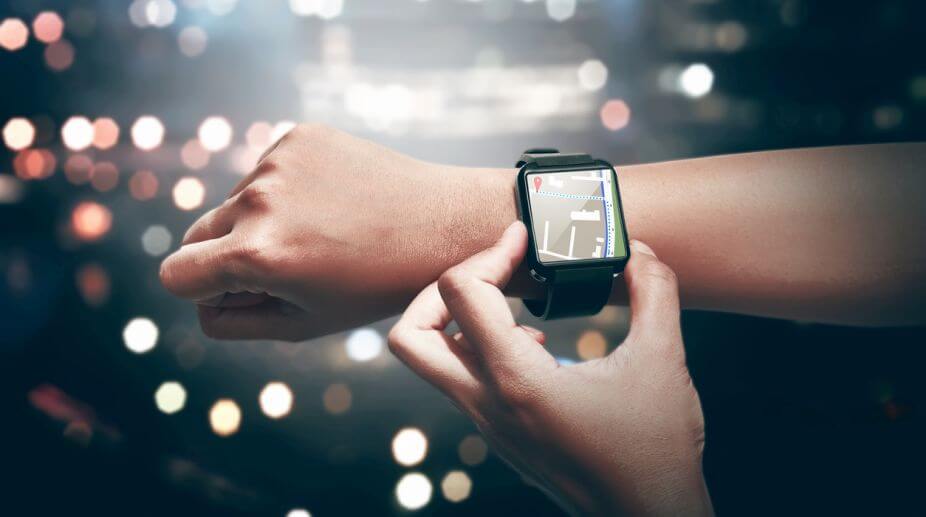
Health-focused wearables track hydration, glucose trends, and stress levels continuously. These insights empower users to make proactive wellness decisions. Therefore, wearables shift from fitness accessories to health management tools.
Meanwhile, smart glasses gained improved displays and AI-powered visual assistance. These devices provide navigation, translations, and notifications without distraction. For wearable coverage, see
https://www.wired.com/tag/wearables/.
Smart Home Devices Focus on Context and Automation
Smart home innovations 2026 demonstrated deeper contextual awareness. Devices now communicate intelligently across brands and platforms. Consequently, users experience fewer setup frustrations and greater reliability.
AI-powered thermostats adjust settings based on occupancy and weather forecasts. Similarly, lighting systems adapt to mood, time, and activity automatically. Therefore, homes become more responsive and energy efficient.
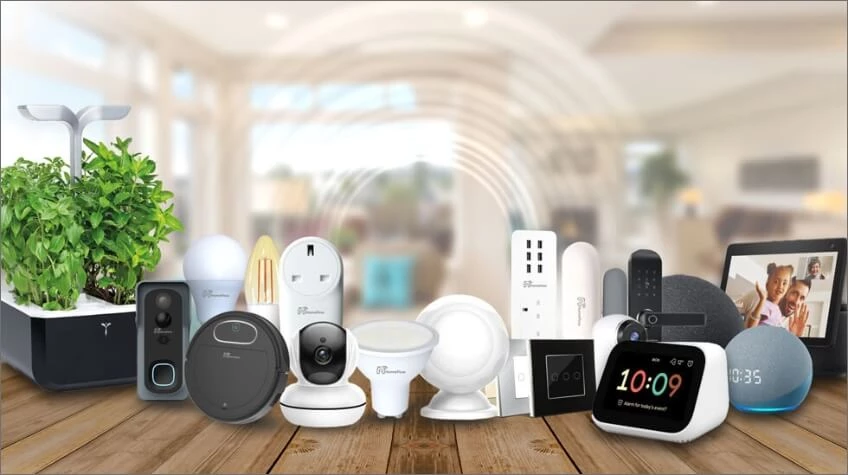
Additionally, smart security systems integrate facial recognition and behavioral analysis. These features reduce false alerts while enhancing home safety. Learn more about smart home trends at https://www.digitaltrends.com/home/.
Consumer Electronics Innovation Emphasizes Sustainability
Consumer electronics innovation at CES 2026 strongly reflected sustainability goals. Brands highlighted recyclable materials and modular device designs. As a result, products now support longer lifecycles and easier repairs.
Energy-efficient processors reduced power consumption without sacrificing performance. Meanwhile, solar-assisted charging appeared in wearables and accessories. Therefore, consumers benefit from both cost savings and environmental responsibility.
Manufacturers also committed to transparent supply chains and ethical sourcing. This shift aligns technology progress with global sustainability expectations. For sustainability coverage, visit https://www.fastcompany.com/technology.
Conclusion and Final Thoughts
CES 2026 confirmed that consumer technology is becoming smarter, subtler, and more human-focused. AI, robotics, and wearables now address real needs rather than speculative futures. Consequently, consumers gain tools that enhance productivity, health, and daily comfort.
As innovation accelerates, informed consumers can make better technology choices. These advancements also signal where the broader tech industry is heading next. Staying updated ensures you maximize value from emerging consumer technologies.
Which CES 2026 innovation impressed you the most?
Share your thoughts in the comments and join the conversation.