
Enterprise AI in 2026 has moved far beyond experimentation and isolated pilots. Today, organizations deploy AI systems to solve concrete business problems at scale. As a result, executives now demand measurable outcomes, not theoretical potential.
Moreover, advances in enterprise artificial intelligence platforms have reduced deployment complexity. Cloud infrastructure, pre-trained models, and low-code tools accelerate adoption across industries. Consequently, AI has become a core operational asset rather than a research initiative.
At the same time, AI-driven business transformation pressures companies to modernize workflows. Firms that delay adoption increasingly lose efficiency, insight, and competitive relevance. Therefore, understanding real enterprise AI use cases and ROI metrics is essential in 2026.
What Enterprise AI Really Means in 2026
In 2026, enterprise AI refers to production-grade systems embedded into business operations. These systems integrate with ERP, CRM, HR, and supply chain platforms. Unlike earlier years, models now operate continuously, securely, and with governance controls.
Furthermore, enterprises prioritize explainability, compliance, and data privacy. AI solutions must align with regulations like GDPR and emerging AI governance frameworks. Accordingly, vendors emphasize transparency, monitoring, and auditability.
For a detailed overview of enterprise AI frameworks, visit https://www.ibm.com/artificial-intelligence.
AI Automation in Enterprise Operations
AI automation in enterprises has significantly reshaped operational efficiency. Organizations automate repetitive tasks across finance, procurement, and IT operations. As a result, employees redirect time toward strategic and creative responsibilities.
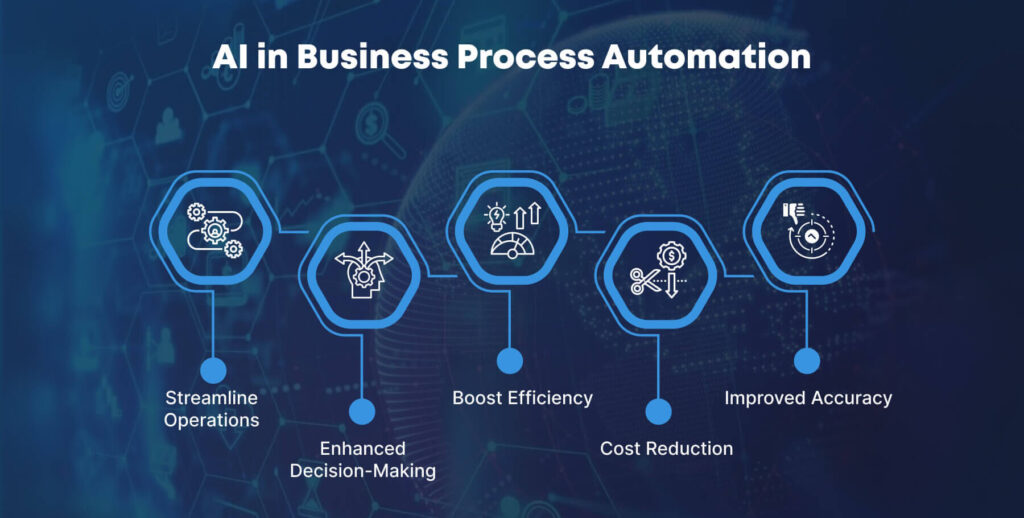
For example, intelligent document processing extracts data from invoices and contracts. These systems reduce manual errors while accelerating processing cycles. Consequently, companies report lower operational costs and faster turnaround times.
Additionally, AI-powered IT operations predict system failures before disruptions occur. This proactive approach minimizes downtime and improves service reliability. You can explore real automation examples at https://www.microsoft.com/en-us/ai/business-solutions.
Predictive Analytics for Smarter Decision-Making
Predictive analytics in business has become a cornerstone of executive strategy. AI models analyze historical and real-time data to forecast trends accurately. Therefore, leaders make decisions based on evidence rather than intuition.
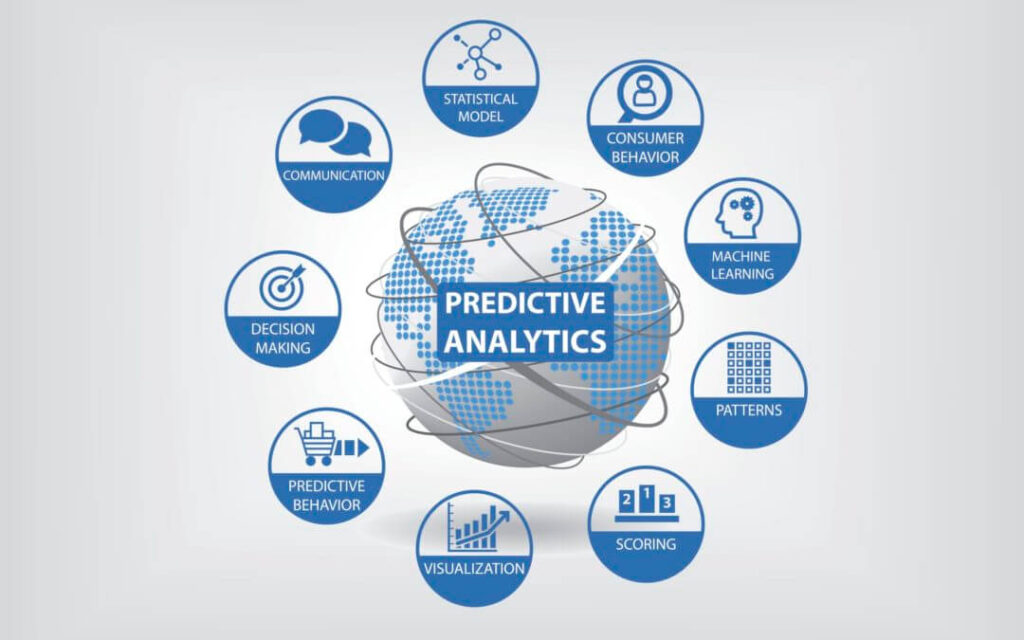
In retail, predictive models anticipate customer demand and optimize inventory levels. This approach reduces overstocking while preventing lost sales opportunities. Similarly, manufacturers forecast equipment failures and schedule maintenance efficiently.
Moreover, finance teams use predictive analytics to detect fraud and manage risk. These insights improve compliance while protecting revenue streams. Learn more about predictive analytics applications at
https://www.sas.com/en_us/insights/analytics/predictive-analytics.html.
AI in Customer Experience and Personalization
AI customer experience solutions now define brand differentiation in 2026. Enterprises deploy conversational AI, recommendation engines, and sentiment analysis tools. As a result, customer interactions feel faster, more relevant, and personalized.
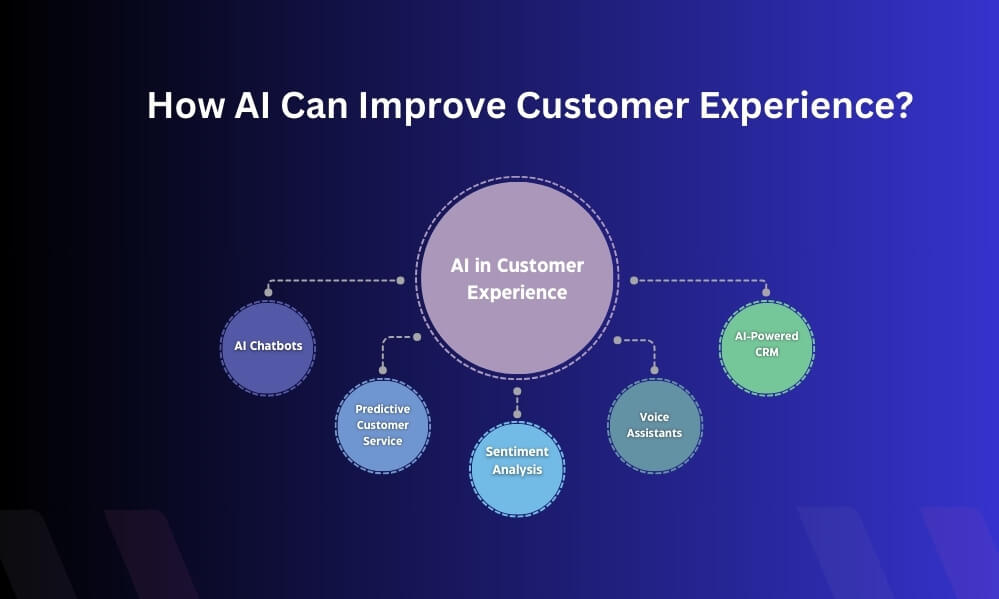
AI-powered chatbots resolve complex queries without human escalation. These systems continuously learn from interactions and improve response accuracy. Consequently, customer satisfaction scores and retention rates increase.
Additionally, personalization engines analyze behavior to tailor offers and content. This targeted engagement boosts conversion rates and lifetime customer value. For practical examples, see
https://www.salesforce.com/artificial-intelligence/.
AI Use Cases in Enterprise IT and Security
AI use cases in enterprise IT now extend deeply into cybersecurity operations. Security teams rely on AI to detect anomalies across massive data volumes. Therefore, threats are identified before causing widespread damage.
AI systems correlate network activity, user behavior, and endpoint data. This holistic analysis reduces false positives and alert fatigue. Consequently, security teams respond faster and with greater accuracy.
Moreover, AI assists with identity management and access control. Adaptive authentication adjusts security requirements based on real-time risk. You can review enterprise security AI trends at
https://www.paloaltonetworks.com/cyberpedia/what-is-ai-in-cybersecurity.
Measuring ROI from Enterprise AI Investments
Enterprise AI ROI measurement has matured significantly by 2026. Organizations now define success metrics before deployment begins. These metrics include cost savings, revenue growth, and productivity improvements.

For instance, automation initiatives often deliver ROI within twelve months. Reduced labor costs and faster processes create immediate financial impact. Meanwhile, customer-focused AI projects generate long-term revenue gains.
Additionally, companies track intangible benefits like employee satisfaction and agility. These factors strengthen organizational resilience and innovation capacity. A helpful ROI framework is available at
https://www.mckinsey.com/capabilities/quantumblack/our-insights.
Challenges Enterprises Still Face
Despite progress, enterprise AI adoption still presents challenges. Data quality issues frequently limit model accuracy and reliability. Therefore, strong data governance remains essential.
Moreover, talent shortages persist in AI engineering and governance roles. Enterprises increasingly invest in upskilling existing employees. This approach balances cost control with long-term capability building.
Ethical considerations also demand continuous oversight. Bias mitigation and responsible AI practices remain executive priorities. For guidance on ethical AI, visit
https://www.weforum.org/topics/artificial-intelligence/.
Conclusion and Final Thoughts
Enterprise AI in 2026 delivers tangible business value across operations, analytics, and customer experience. Organizations that align AI initiatives with clear objectives achieve sustainable ROI.
Meanwhile, those delaying adoption risk falling behind more agile competitors.
Ultimately, success depends on strategy, governance, and continuous optimization. AI is no longer optional for enterprises seeking growth and resilience. Now is the time to evaluate where AI fits into your organization’s future.
What enterprise AI use case do you find most impactful?
Share your thoughts in the comments and join the discussion.