
Ransomware continues to evolve in 2025, threatening individuals and businesses alike. These cyberattacks encrypt your files and demand payment to unlock them. Without adequate data protection, a single click on a malicious link can cause massive loss.
The good news? You can guard your sensitive information using affordable and practical strategies. In this guide, you’ll learn how to prevent ransomware attacks and ensure your files remain safe. With a few consistent habits and tools, you can stay one step ahead of cybercriminals.
1. Understand How Ransomware Works and Why It’s Getting Smarter
Ransomware spreads through phishing emails, infected websites, and unsecured software. Once inside your system, it encrypts your files quickly. Attackers then demand payment, often in cryptocurrency, to give back your access.
In 2025, attackers are using AI-driven phishing and advanced social engineering. These tactics bypass traditional filters and exploit user trust. Therefore, understanding how ransomware works is your first defense. The Cybersecurity & Infrastructure Security Agency (CISA) offers regular updates on ransomware trends.
2. Keep Your Software and Operating Systems Up to Date
Outdated software often has vulnerabilities that ransomware exploits. Even a single missed update can open a backdoor to attackers.
Enable automatic updates for:
- Operating systems (Windows, macOS, Linux)
- Web browsers
- Office and productivity apps
- Security tools
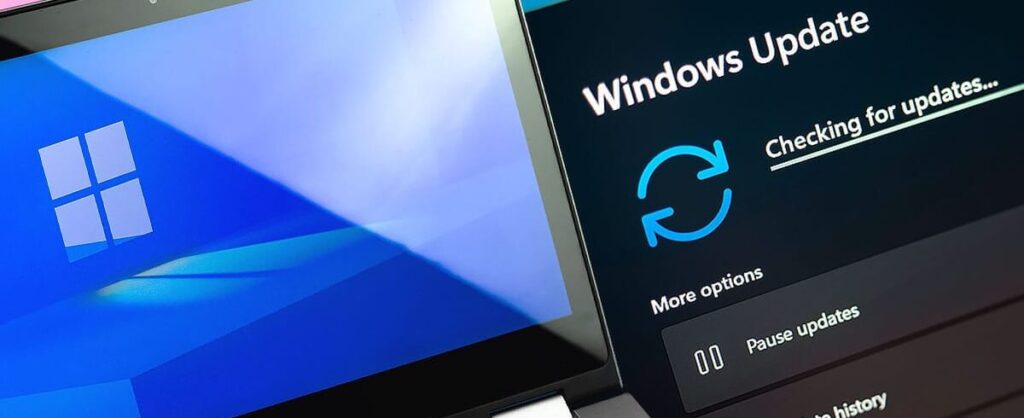
Developers regularly patch known issues. Installing these updates promptly makes your system harder to compromise. Read Microsoft’s security guidance for more information.
3. Use a Trusted Antivirus and Enable Real-Time Protection
Your antivirus is your digital security guard. It identifies threats before they harm your system. But not all tools offer equal protection.
For best results, choose antivirus solutions with:
- Ransomware-specific defense
- Behavior-based threat detection
- Frequent updates
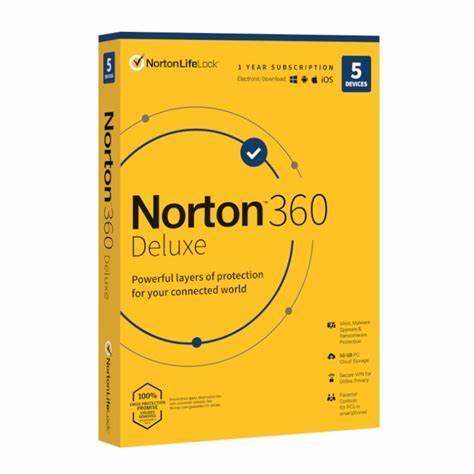
Top-rated antivirus tools in 2025 include Bitdefender, Norton 360, and Malwarebytes. Use only one antivirus at a time to avoid conflicts.
4. Backup Your Data Frequently Using Multiple Locations
Backing up your data is one of the best ways to recover from a ransomware attack without paying a ransom.
Follow the 3-2-1 backup rule:
- Keep 3 copies of your data
- Store them on 2 different media
- Keep 1 copy off-site or in the cloud
Use tools like Google Drive, Dropbox, or external drives for redundancy. Always test your backups to ensure they’re restorable.
5. Strengthen Your Email and Password Security
Most ransomware infections begin through email. Therefore, strong email hygiene is vital.
Tips to prevent phishing:
- Avoid clicking on unknown links or attachments
- Use a spam filter and security add-ons
- Verify senders before responding
Also, secure your accounts with:
- Strong, unique passwords
- Two-factor authentication (2FA)
- A password manager like LastPass or 1Password
This makes it harder for attackers to access your system through weak credentials.
6. Use Network Segmentation and Firewall Protections
Network segmentation limits the damage if ransomware infiltrates your system. It restricts the spread of malware across your devices.
Here’s how to apply it:
- Divide your network into secure zones
- Isolate sensitive data
- Use access control policies
Additionally, install a strong firewall. Most operating systems include a default one, but consider advanced solutions like pfSense for better control. This adds a layer of defense against external threats.
7. Train Yourself and Your Team About Cyber Hygiene
The human factor is the weakest link in cybersecurity. So, consistent education can significantly lower the risk of attacks.
Train yourself and your team to:
- Recognize phishing emails
- Avoid suspicious websites
- Report unusual system activity
You can find free training courses from Cyber Aware and SANS Security Awareness. Make cybersecurity part of your daily routine.
Final Thoughts
Ransomware attacks are growing more sophisticated, but you don’t have to be a victim. With the right tools and habits, you can build a strong defense.
Have tips or stories on ransomware defense? Share them in the comments and help others stay protected in 2025!