
Artificial Intelligence (AI) is redefining how public institutions serve citizens. From healthcare to transportation, governments are adopting smart technologies. This transformation enhances efficiency and transparency while reducing operational costs. As a result, AI in the public sector is now a global trend.
With increasing demand for digital transformation and government innovation, AI offers timely and powerful solutions. Public agencies are integrating intelligent tools to improve service delivery and responsiveness. As more nations adopt AI, this evolution is becoming a cornerstone of modern governance.
AI-Driven Citizen Services: Improving Access and Efficiency
One of the most impactful uses of AI is in delivering direct services to citizens. Virtual assistants and chatbots now handle routine queries across many departments. These tools save time and reduce the workload of human agents.
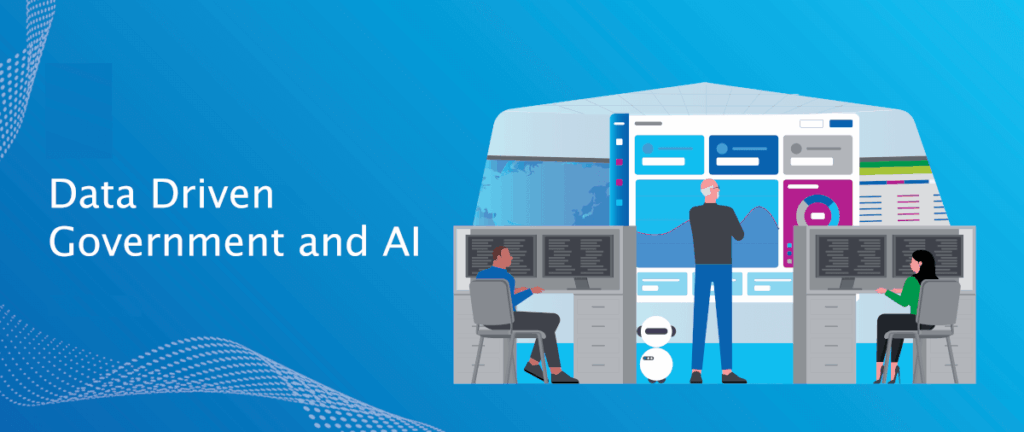
For example, Australia’s Department of Human Services uses AI to manage social welfare inquiries. Similarly, Estonia’s digital government platform employs AI for e-residency and administrative tasks. These innovations make public service more accessible and efficient.
Predictive Analytics in Public Safety and Urban Planning
Governments use AI-powered predictive analytics to enhance public safety and plan smart cities. Law enforcement agencies use AI to identify crime patterns and predict potential hotspots.
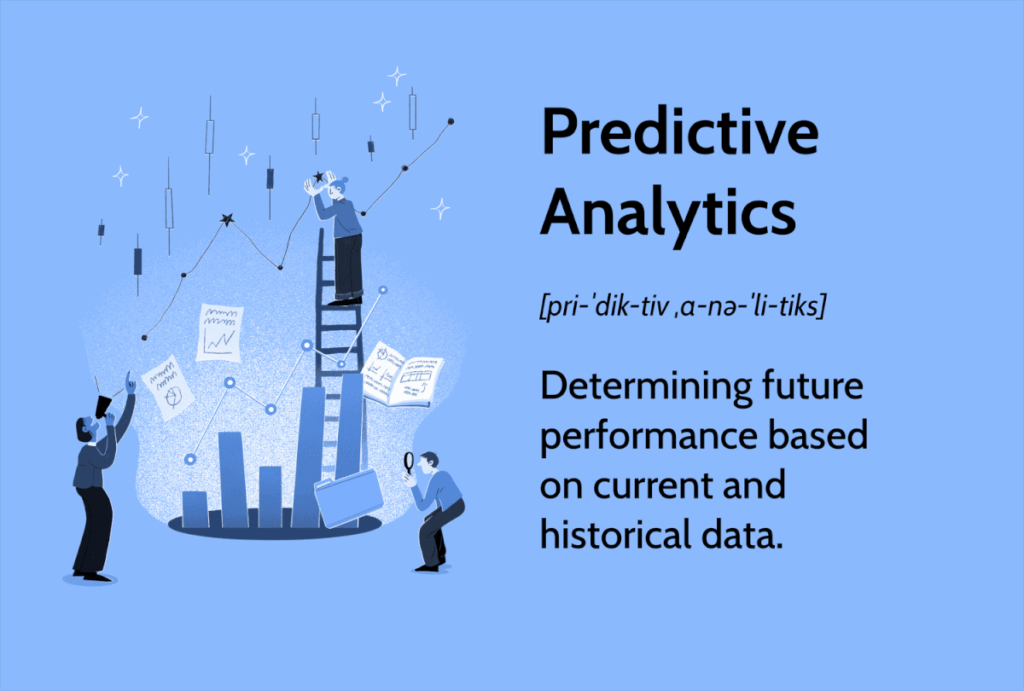
The Los Angeles Police Department (LAPD) has piloted predictive policing tools to allocate resources effectively. In urban planning, cities like Singapore analyze real-time data to reduce traffic congestion and optimize infrastructure. AI helps governments make faster, data-informed decisions.
AI for Transparent and Accountable Governance
Transparency is crucial in building public trust. AI can detect fraud, monitor compliance, and ensure fair service allocation. Intelligent auditing systems highlight anomalies that might suggest corruption or misuse of resources.
The European Commission has issued guidelines on using AI to increase transparency and ethical oversight in government processes. As digital accountability grows, AI becomes a trusted partner in good governance.
Automating Administrative Processes in Public Offices
Bureaucratic delays are common challenges in government agencies. AI is streamlining these processes by automating repetitive and manual tasks.
For instance, Canada’s Immigration Department uses AI to help sort visa applications. Automation speeds up the evaluation process while reducing human error. This improves productivity and enhances citizen satisfaction.
Enhancing Public Healthcare Systems with AI
Public healthcare systems benefit immensely from AI applications. From early diagnosis to efficient record management, AI is transforming medical services.
The UK’s National Health Service (NHS) uses AI for early detection of diseases like cancer. Machine learning models analyze patient data to recommend personalized treatment plans. These innovations save lives and optimize healthcare resources.
Challenges and Ethical Considerations
Despite its promise, AI adoption in government also poses challenges. Data privacy, algorithmic bias, and job displacement must be addressed proactively.
Governments must invest in ethical frameworks and regulations to mitigate risks. OECD’s AI principles guide nations on responsible AI deployment. Striking a balance between innovation and ethics is crucial for sustainable progress.
Final Thoughts: Embracing the Future of Public Sector AI
AI is no longer a futuristic concept for governments—it is today’s reality. Smart policies, citizen-centric tools, and transparent operations are within reach. Governments that adopt AI early will lead in public service innovation.
Are you ready for the AI-powered future of governance?
Share your thoughts in the comments below.
Let’s spark a conversation about intelligent government systems.