
The New Era of Digital Collaboration
The way we work has changed more in the last five years than in the past fifty. As remote work becomes a lasting norm, collaboration software is reshaping the tech industry. Today’s tech companies are no longer limited by geography or time zones. Instead, they thrive on flexible, cloud-based workflows powered by innovative tools.
Moreover, this shift is not a passing trend but a growing standard. According to Statista, 28% of U.S. employees work remotely as of 2023. From startups to tech giants, businesses now invest heavily in platforms that support productivity, communication, and project management from anywhere.
Rise of Cloud-Based Platforms for Remote Development
Remote development teams need centralized platforms to ensure continuous integration and deployment. Tools like GitHub, GitLab, and Bitbucket have become essential. These cloud platforms offer version control, code review, and team coordination features that streamline development cycles.
Besides, they reduce friction caused by traditional in-house workflows. Cloud-based development fosters transparency and traceability. It empowers team leads and engineers to track progress and resolve issues faster. This model has proven highly scalable for both small teams and large enterprises.
Video Conferencing Tools Are Replacing Traditional Meetings
Gone are the days of mandatory physical meetings. Tools like Zoom, Microsoft Teams, and Google Meet now host everything from daily scrums to client demos. These platforms enhance face-to-face communication, even from a distance.
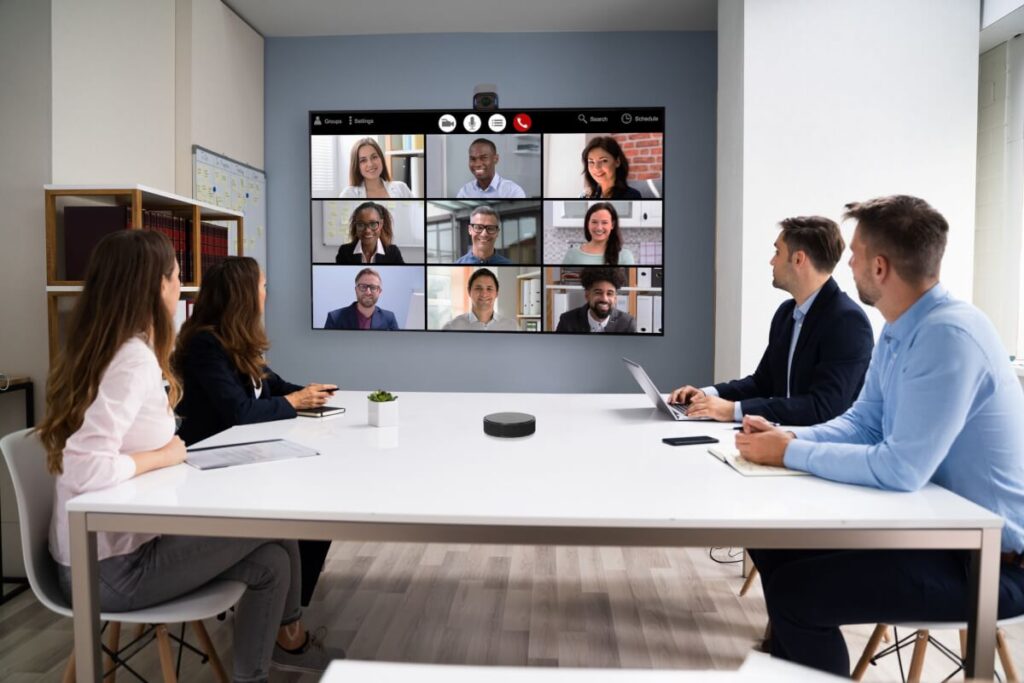
Additionally, screen sharing, real-time chat, and virtual breakout rooms promote engagement and clarity. Tech companies are saving time and reducing travel costs. As a result, meetings are now shorter, more efficient, and better documented.
Project Management Gets Smarter and More Agile
Effective project management remains crucial in remote tech teams. Tools like Asana, Trello, and Jira support Agile workflows and transparency. They enable teams to manage tasks, assign roles, and track deliverables in real time.

Furthermore, these platforms offer dashboards, kanban boards, and Gantt charts to visualize workflows. With these features, teams reduce delays, improve accountability, and boost productivity. Integration with other tools also means less toggling between apps and more focus on delivery.
Cybersecurity in Remote Collaboration
Remote work introduces new security challenges. Businesses now prioritize secure collaboration over convenience. Platforms must meet high standards in encryption and data protection. Tools like Slack and Dropbox have invested in top-tier cybersecurity features.
In addition, employees undergo training to avoid phishing attacks and data leaks. Secure sign-ins, VPNs, and endpoint protection are now standard. These measures ensure that remote work environments remain resilient against threats.
AI and Automation in Remote Workflows
Artificial intelligence is playing a bigger role in remote collaboration. AI can now automate repetitive tasks, flag project risks, and schedule meetings intelligently. Tools like Notion AI and ClickUp offer smart suggestions and predictive planning.

Moreover, automation speeds up reporting and frees time for core tasks. This trend makes teams more agile and reduces operational overhead. Tech companies using AI-driven platforms report faster turnarounds and fewer human errors.
Employee Well-being and Remote Culture Building
Working from home can blur the lines between personal and professional life. Companies now focus on promoting digital well-being. Regular check-ins, virtual events, and wellness apps help build a supportive remote culture.

For instance, tools like Donut and Officevibe improve team bonding and morale. These platforms gather feedback and suggest actions to strengthen team dynamics. When employees feel heard and connected, engagement and retention improve significantly.
Final Thoughts: Embracing the Future of Tech Workplaces
The future of work in tech is undeniably remote, agile, and cloud-driven. Remote collaboration tools are more than software—they are the backbone of modern businesses. As companies adapt, those who leverage these tools strategically will thrive in a competitive global market.
What collaboration tool has transformed your work the most?
Drop your thoughts in the comments!
Share this article with colleagues navigating the remote work landscape.