
In today’s digital age, agility and scalability are vital for staying competitive. Businesses now face a crucial decision: stick with legacy IT systems or transition to a cloud-native infrastructure. With increasing customer demands and rapid technological change, cloud-native architecture and digital transformation have become popular search terms and strategic priorities.
Legacy IT systems were once reliable, but they now hinder innovation. They often require expensive maintenance, struggle to integrate with new tools, and are difficult to scale. On the other hand, cloud-native solutions offer faster deployment, better performance, and lower costs. As a result, more companies are embracing cloud-native models for long-term growth.
What Is Cloud-Native Infrastructure?
Cloud-native infrastructure refers to systems designed specifically for cloud environments. It leverages technologies like containers, microservices, and DevOps to improve operations. These tools allow for faster deployments, better collaboration, and automatic scaling of applications.
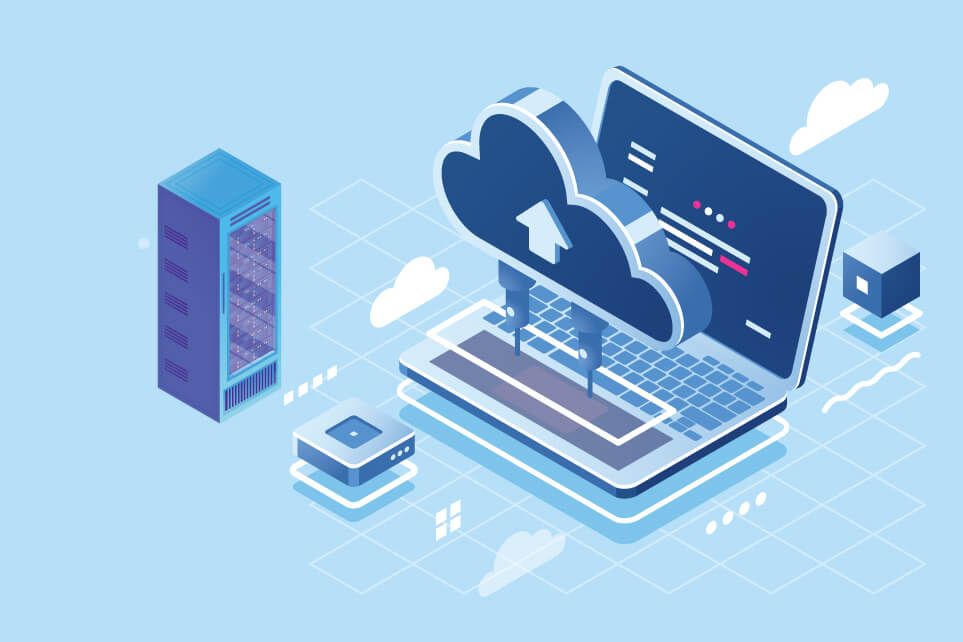
Furthermore, cloud-native solutions use modern platforms such as Kubernetes and serverless computing. This enables developers to focus on innovation rather than managing hardware. Companies like Amazon Web Services and Microsoft Azure offer extensive resources and services to support this transition.
Why Legacy IT Holds Businesses Back
Legacy systems are often rigid and hard to upgrade. Their architecture wasn’t built for today’s fast-paced digital environment. As a result, adding new features or integrations becomes a time-consuming task.

Additionally, maintaining legacy IT systems is expensive. Companies spend significant budgets on hardware, software licenses, and in-house IT teams. According to Gartner, businesses waste up to 80% of their IT budget maintaining outdated infrastructure. This limits their ability to innovate and meet customer expectations.
Key Benefits of Switching to Cloud-Native
Agility and Faster Time-to-Market
With cloud-native platforms, businesses can deploy updates within minutes. This leads to quicker innovation cycles. Using microservices allows teams to develop, test, and release software independently. This flexibility boosts efficiency and reduces downtime.
Cost Savings and Scalability
Cloud-native systems require less physical infrastructure. As a result, businesses save on hardware and energy costs. Companies only pay for the resources they use, which makes operations more cost-effective. Platforms like Google Cloud make it easy to scale as demand grows.
Enhanced Security and Compliance
Security updates in cloud-native platforms are often automated. This reduces the risk of breaches caused by outdated patches. Moreover, cloud providers comply with industry regulations such as GDPR and HIPAA. This ensures data protection and customer trust.
Seamless Integration and Flexibility
Modern businesses rely on multiple tools and services. Cloud-native systems integrate easily with third-party apps, APIs, and data sources. This flexibility enables a seamless user experience across devices and platforms. Learn more about integration benefits from IBM Cloud.
Real-World Success Stories
Several industry leaders have successfully adopted cloud-native models. Netflix migrated to the cloud to handle massive global traffic and scale effortlessly. The result? Faster streaming, better recommendations, and improved uptime. Similarly, Spotify’s cloud-native journey enabled them to innovate rapidly and serve a growing user base.
Startups are also reaping the benefits. They use cloud-native systems to build MVPs faster and compete with larger enterprises. This levels the playing field and accelerates digital disruption across industries.
How to Begin the Transition
Shifting from legacy to cloud-native systems requires careful planning. Begin by assessing your current IT infrastructure. Identify systems that are outdated or costly to maintain. Next, prioritize applications for migration based on impact and feasibility.
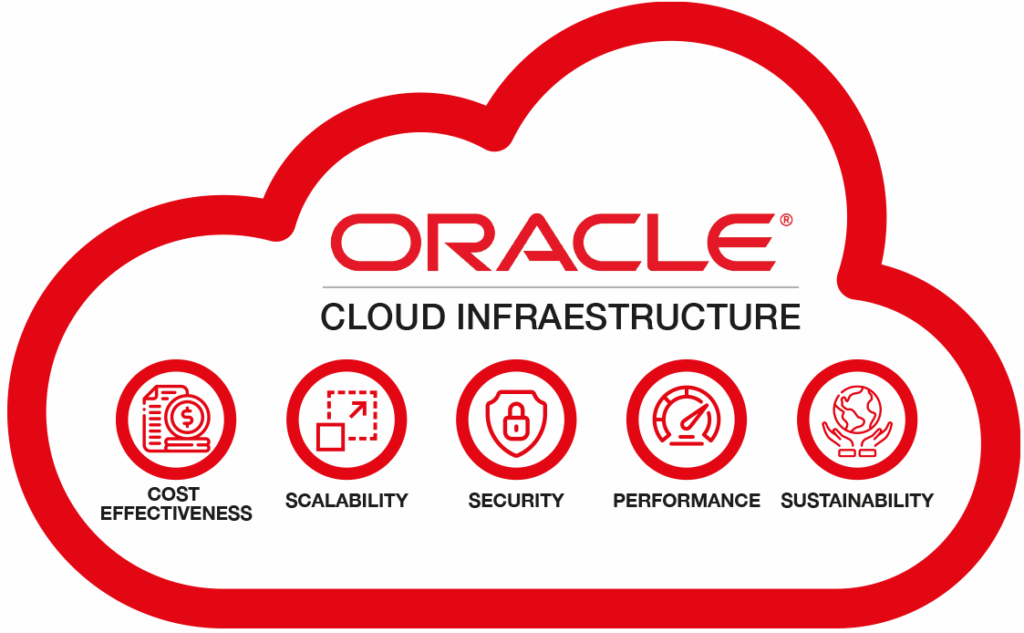
Training your team is also crucial. Equip them with skills in cloud technologies, DevOps, and cybersecurity. Partner with certified cloud providers like Oracle Cloud for expert guidance and support. This ensures a smooth and successful migration.
Final Thoughts
The shift from legacy IT to cloud-native platforms is no longer optional—it’s essential for growth and innovation. Businesses that embrace this change enjoy better agility, cost efficiency, and customer satisfaction.
Now is the perfect time to evaluate your IT strategy. Are you ready to modernize and thrive in the digital era? Share your thoughts in the comments below and let’s start a conversation!