
The Real Power of Blockchain Technology
Blockchain has become synonymous with Bitcoin and other cryptocurrencies. However, its impact stretches far beyond digital currency. Today, the blockchain revolution is transforming the very foundations of information technology (IT).
Many industries now adopt blockchain to solve problems like data security, transparency, and efficiency. As a result, companies are shifting their focus from crypto profits to real-world applications. Blockchain’s decentralization, immutability, and trustless architecture make it a game-changer in IT innovation.
Moreover, governments, banks, and global corporations are racing to integrate blockchain into their systems. With these developments, it’s clear that blockchain’s influence is only just beginning.
Decentralized Data Management: Ending Central Control
Traditional data systems rely heavily on centralized databases. These systems are vulnerable to hacking and single-point failures.
In contrast, blockchain offers a decentralized infrastructure where data is distributed across nodes. This eliminates reliance on a single control point and improves reliability.

Companies like IBM are already using blockchain for supply chain data management. As a result, they achieve real-time transparency and reduced costs.
Blockchain also ensures that data modifications require consensus. Therefore, unauthorized changes are virtually impossible.
Blockchain in Cybersecurity: An Impenetrable Shield
Data breaches and cyberattacks have increased in both volume and complexity. Thankfully, blockchain provides a secure framework for sensitive data storage and sharing.
Each blockchain block is encrypted and linked to the previous one. This chaining ensures no block can be altered without network-wide verification. TechRepublic notes that blockchain can secure IoT devices and digital identities. These are key concerns in modern cybersecurity strategies.

Additionally, startups and enterprises use blockchain to encrypt communications, verify identities, and secure critical infrastructures.
Smart Contracts: Automation That Builds Trust
Smart contracts are blockchain-based codes that execute automatically when predefined conditions are met. This eliminates the need for intermediaries and manual verification.
These contracts reduce errors, cut down costs, and boost speed. Moreover, they build trust among participants by ensuring transparency. Consensys offers a deep dive into how smart contracts power blockchain apps in finance, healthcare, and logistics.
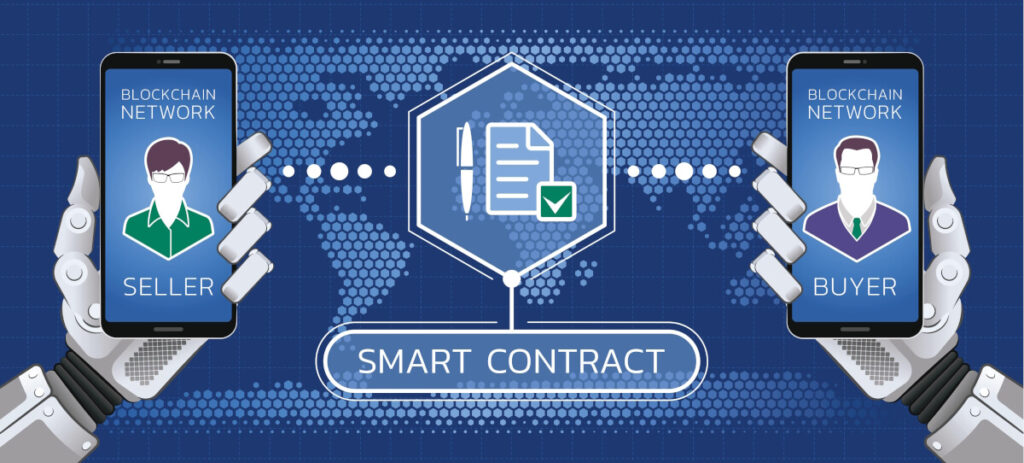
For instance, logistics firms automate deliveries and payments using smart contracts. Similarly, healthcare providers manage patient records securely through blockchain automation.
Blockchain in Cloud Computing: A Secure Hybrid Approach
Cloud computing is central to modern IT infrastructure. However, it faces challenges like data integrity, downtime, and lack of transparency.
Blockchain integrated with cloud systems can mitigate these issues. It adds a layer of distributed ledger technology (DLT) to verify every transaction or data exchange. Oracle uses blockchain to boost security in cloud-based applications and reduce administrative overhead.
Furthermore, blockchain improves cloud transparency and enables audit trails. As a result, businesses can track and validate every action taken on their data.
Revolutionizing IT Governance and Compliance
Compliance with regulations like GDPR and HIPAA has always been challenging for IT departments. Blockchain can simplify this process by providing auditable trails and immutable records.
When regulators demand accountability, blockchain delivers. Every transaction is recorded with time-stamps and cryptographic signatures. PwC discusses how blockchain is enhancing regulatory compliance through automation and traceability.
Also, enterprises now use blockchain to manage user consent, access control, and data retention—all vital aspects of IT governance.
Challenges and Considerations: Scaling Blockchain for Enterprise Use
Despite its advantages, blockchain is not without challenges. Scalability, energy consumption, and integration issues remain top concerns for IT leaders.
Public blockchains like Bitcoin are energy-intensive. However, newer models like Proof of Stake offer more eco-friendly solutions. Private blockchains, meanwhile, offer higher speeds and better scalability for enterprise needs.
Furthermore, businesses must train IT teams, upgrade systems, and manage legal risks. With careful planning, these hurdles can be overcome.
Final Thoughts: The Road Ahead for Blockchain in IT
Blockchain is no longer just about cryptocurrency. It is laying the groundwork for a more secure and efficient IT future.
From cybersecurity to smart automation, blockchain is creating value across all tech sectors. Now is the time for businesses to embrace this shift.
What are your thoughts on blockchain’s role beyond crypto? Drop a comment below and join the conversation!