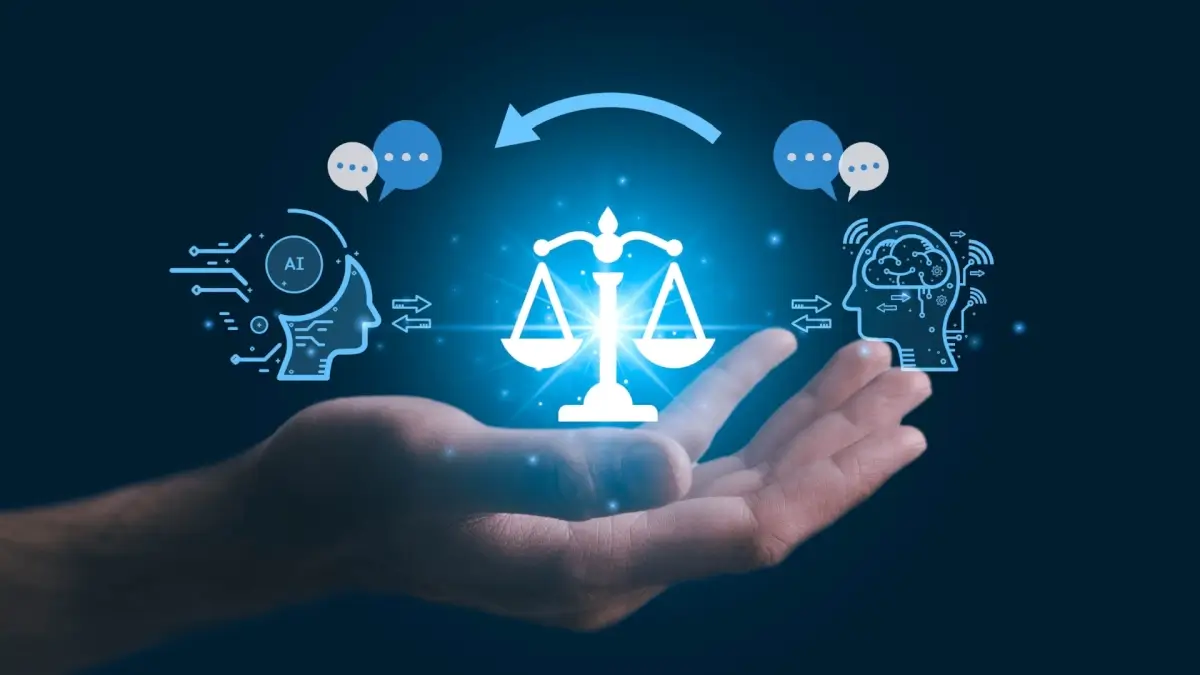
Artificial Intelligence (AI) is revolutionizing the Information Technology (IT) industry. It is no longer just a futuristic concept. Today, AI automation and machine learning in IT are transforming how companies operate, diagnose issues, and manage infrastructure.
As a result, IT departments are evolving. They are becoming more efficient and cost-effective. However, with these benefits come risks, ethical concerns, and job market shifts. This article will explore the good, the bad, and the brilliant sides of AI automating IT.
The Good: Efficiency, Accuracy, and Productivity
AI brings remarkable advantages to IT operations. One key benefit is automation of repetitive tasks. This includes server maintenance, system updates, and performance monitoring. As a result, IT teams can focus on strategic work.
Moreover, AI improves accuracy in diagnosing problems. Tools like Dynatrace and Splunk use AI to detect issues faster than human technicians. These platforms help reduce downtime and improve user satisfaction.
Additionally, AI enhances AI in cybersecurity. Systems such as Darktrace analyze threats in real-time. They learn and adapt to new attack vectors quickly. Consequently, they provide a proactive shield against cyber threats.
The Bad: Job Losses, Dependence, and Bias
Despite its many perks, AI also poses challenges. The biggest concern is AI job displacement. Automation reduces the need for routine roles like help desk agents and system admins. While new roles emerge, many current IT workers may not have the skills required.
Another drawback is over-dependence. Companies that rely too heavily on AI risk losing their ability to troubleshoot manually. If the system fails, the lack of human insight can cause major delays.
Bias is another serious issue. AI systems trained on biased data may produce skewed results. This can affect hiring, system decisions, or even security responses. Tools like IBM Watson are trying to address this. But biases in AI remain an industry-wide challenge.
The Brilliant: Innovation, Scalability, and 24/7 Operations
Now, let’s talk about the brilliance of AI in IT. One major advantage is AI scalability. AI systems handle growing data volumes and traffic loads easily. As a result, they allow businesses to scale without overwhelming IT staff.
AI also powers innovation. Predictive analytics tools, like those from Google Cloud AI, help businesses forecast trends and make smarter decisions. With the rise of generative AI, coding assistance is another area gaining traction. Tools like GitHub Copilot now support developers in writing and debugging code faster.
Furthermore, AI enables true 24/7 operations. Unlike human teams, AI doesn’t sleep. It works around the clock to keep systems secure and optimized. This is critical for global businesses and e-commerce platforms.
Striking the Right Balance
AI’s rise doesn’t mean humans are obsolete. Instead, the future lies in human-AI collaboration. IT professionals must now upskill and adapt. Learning data science, AI basics, and automation scripting is crucial. Many online platforms, like Coursera, offer courses in these fields.
Organizations also need to audit AI-powered IT tools regularly. This ensures they remain ethical, unbiased, and reliable. Transparency in AI decisions builds trust with users and stakeholders.
Final Thoughts
AI is not just reshaping IT—it is redefining it. From boosting productivity to introducing new risks, the effects are complex yet powerful. As this evolution continues, professionals must stay informed and agile.
So, what’s your take? Is AI in IT a blessing, a threat, or a bit of both? Share your thoughts in the comments below!