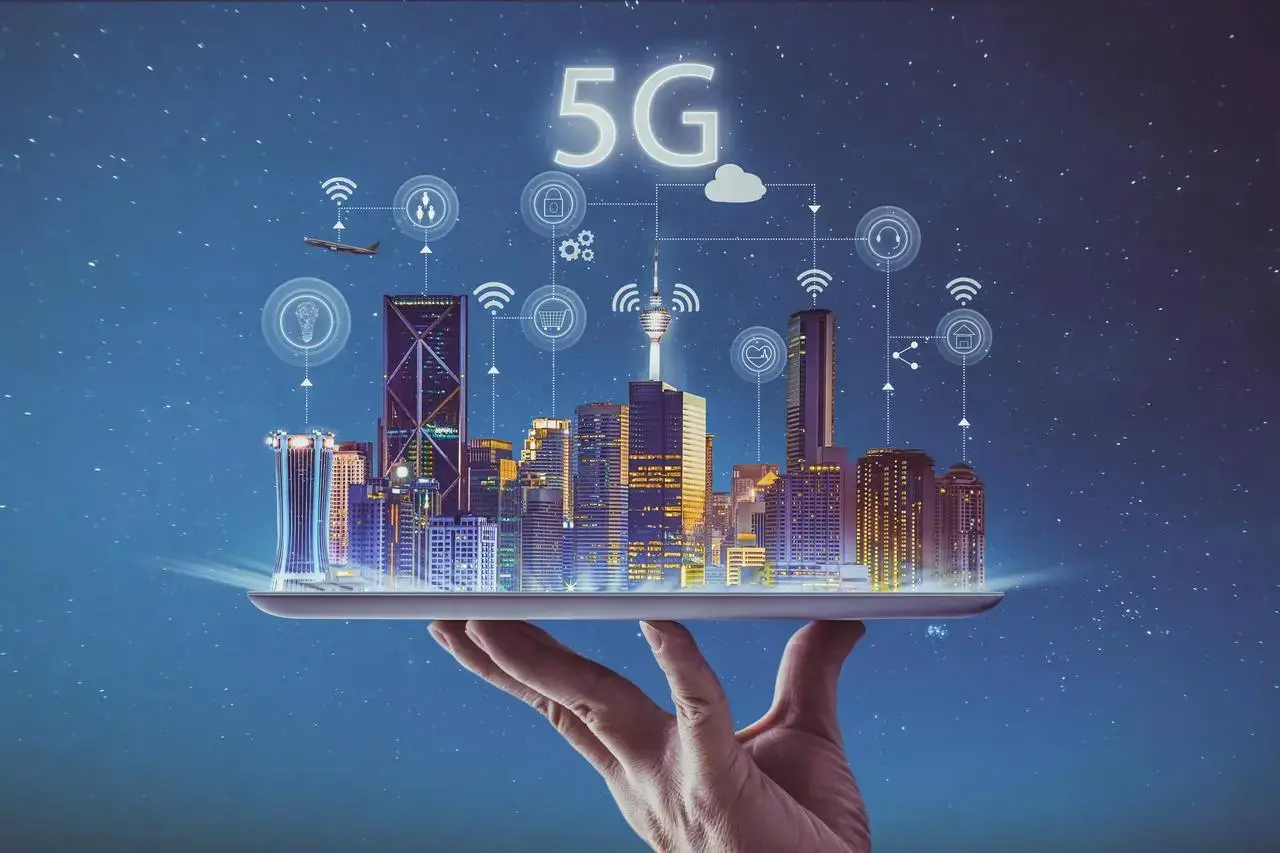
The digital world is undergoing a massive shift, and 5G technology is leading the charge. With its ultra-fast speeds, minimal latency, and enhanced reliability, 5G is doing more than just powering mobile devices. It is reshaping how businesses operate and revolutionizing the Information Technology (IT) sector.

5G networks are up to 100 times faster than 4G. As a result, this boost is unlocking new possibilities in cloud computing, automation, and the Internet of Things (IoT). While earlier networks had their limits, 5G tears down those barriers and enables real-time data processing at lightning speed. Companies that adopt this cutting-edge technology will quickly gain a competitive edge in a rapidly evolving digital market.
1. Edge Computing: Powering Instant Data Access
One of the most exciting impacts of 5G on IT is the rise of edge computing. Instead of sending data to centralized servers, edge computing allows it to be processed closer to the source. This minimizes latency, increases processing speed, and enhances security.
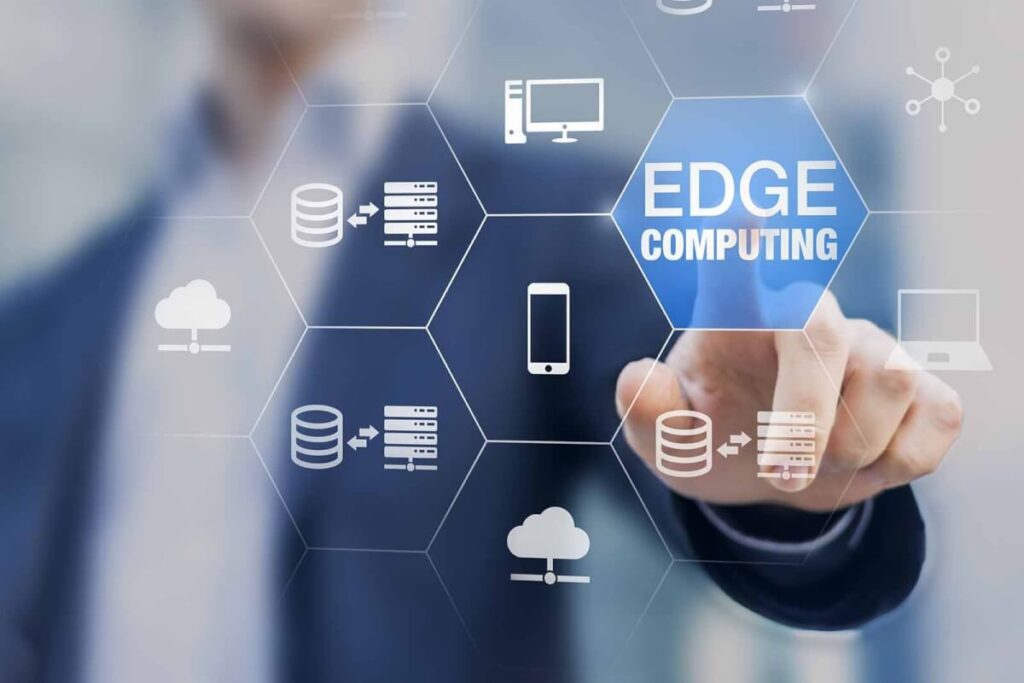
With 5G enabling faster connections, organizations can now deploy powerful edge devices in remote or urban environments. These devices are crucial for industries like healthcare, logistics, and manufacturing. For instance, smart factories using edge computing can respond to data changes in real time, increasing productivity and reducing downtime.
👉 Read more about how edge computing works.
2. Cloud Services: Faster, Smarter, and Scalable
The cloud has become the backbone of IT infrastructure. With 5G’s speed, cloud platforms can now operate with higher efficiency. Services such as video conferencing, cloud gaming, and software deployment are now smoother and more reliable.
Moreover, businesses can now migrate large amounts of data with minimal delay. This helps IT teams manage and scale operations effortlessly. Cloud providers like AWS and Microsoft Azure are already integrating 5G to boost their services.
3. Internet of Things (IoT): Expanding the Digital Ecosystem
The Internet of Things depends on rapid communication between devices. Thanks to 5G, smart homes, wearables, and industrial sensors can function more efficiently. This helps IT teams gather real-time data for analytics and automation.
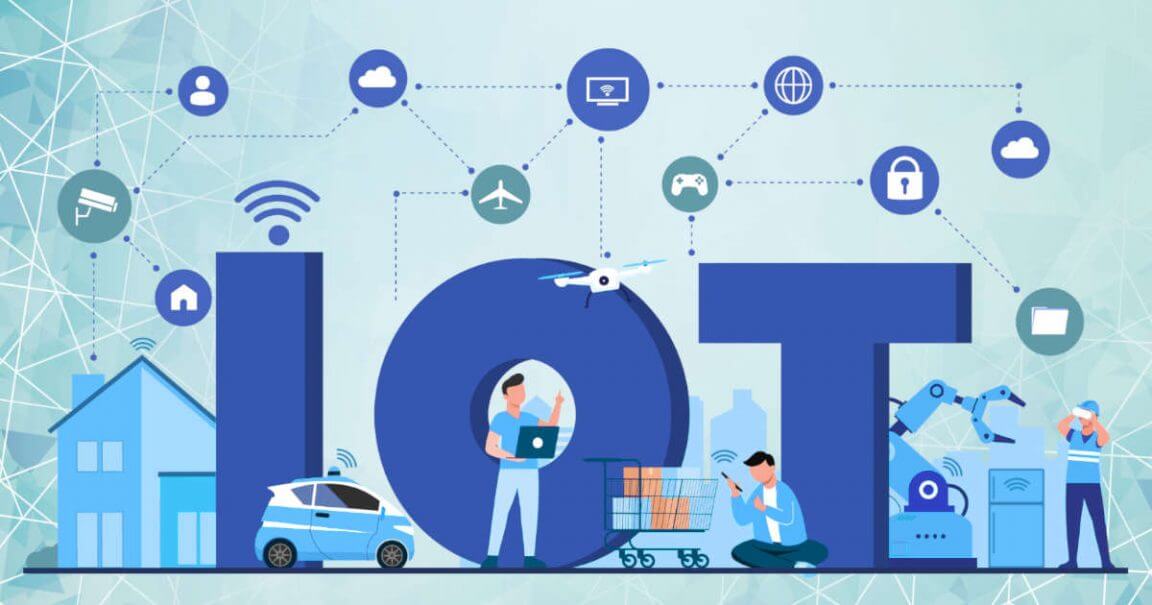
Additionally, 5G supports a higher density of connected devices. This makes it ideal for urban areas and large enterprises. From smart cities to agriculture, the potential for innovation is immense. 👉 Learn more about IoT advancements.
4. Cybersecurity: New Challenges and Better Tools
Although 5G improves performance, it also presents new security challenges. With more connected devices and data points, cyber threats can spread faster. Therefore, IT teams must adopt a proactive approach to security.
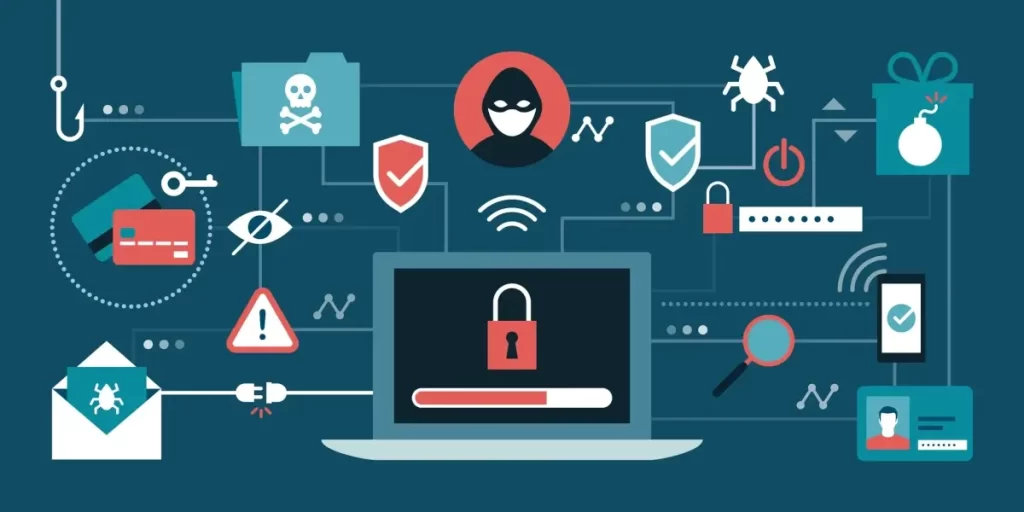
However, the same speed that supports innovation also empowers advanced security tools. Real-time threat detection and AI-based monitoring are becoming the norm. Additionally, telecom companies like Ericsson are building 5G with security in mind.
5. Remote Work & Virtual Collaboration: A Seamless Experience
The shift to remote work during the pandemic showed the need for reliable digital tools. 5G is now making remote work more efficient by reducing lag in video calls, speeding up file transfers, and supporting real-time collaboration.

This is especially useful for global IT teams and tech companies. With seamless connectivity, professionals can work from anywhere without sacrificing performance. Collaboration tools like Zoom, Slack, and Microsoft Teams function better in a 5G environment.
Conclusion: The Future of IT is 5G-Powered
The 5G revolution is not just a technological upgrade; it’s a foundational change in how IT functions. From edge computing to cloud services, every aspect of IT is evolving. Businesses that embrace this change early will benefit the most.
Are you excited about what 5G can bring to your IT strategy? Let us know in the comments! Share this article with your team to stay ahead in the digital race.