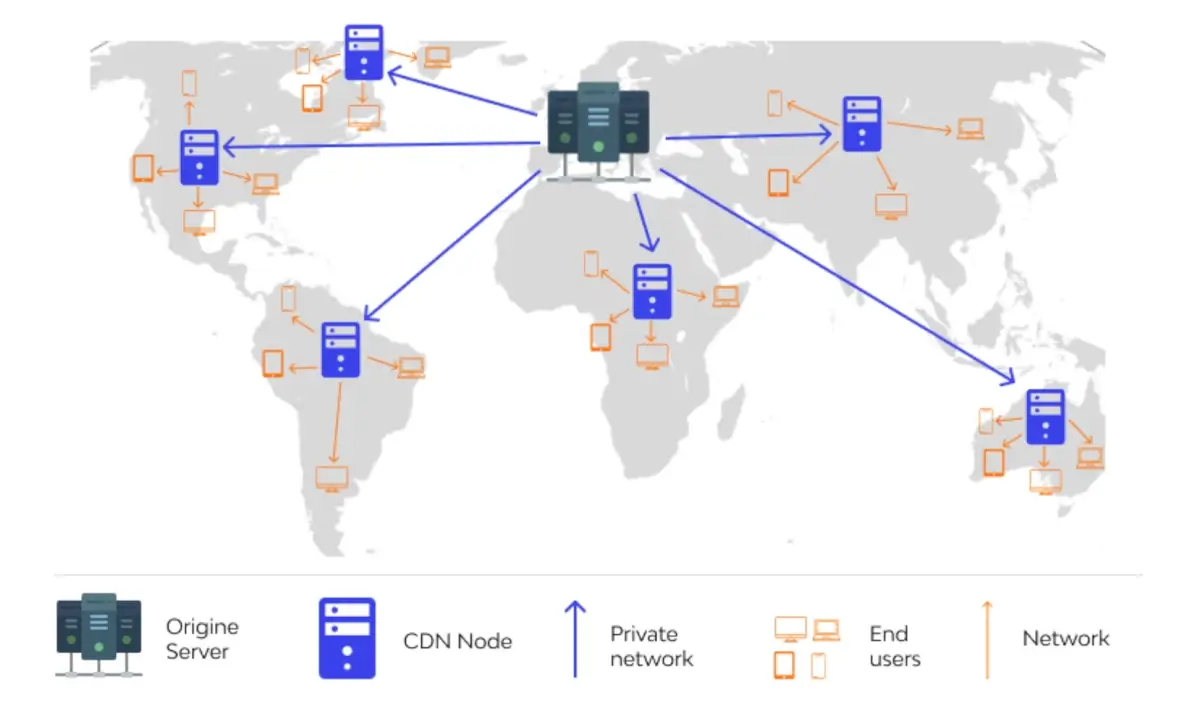
Website performance has become more critical than ever in 2025. User expectations have grown alongside internet speeds. Whether you run a blog or an e-commerce store, visitors demand lightning-fast load times. That’s where a Content Delivery Network (CDN) steps in.
A CDN is a network of servers that delivers web content based on the geographic location of the user. This technology not only enhances site performance but also boosts website speed and website security. Therefore, if you’re not yet using a CDN, you’re likely falling behind your competition.
What Is a CDN?
A Content Delivery Network (CDN) is a group of distributed servers spread across various geographic locations. These servers cache and deliver website content to users based on proximity.
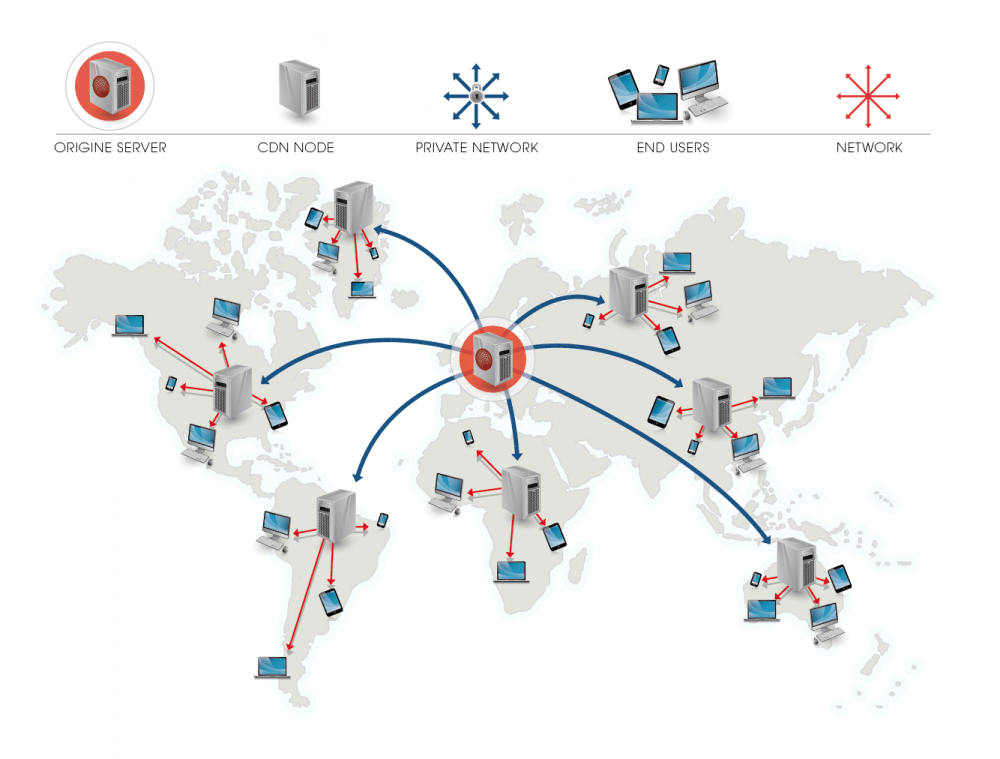
Instead of accessing your main server every time, users receive data from the nearest CDN server. This reduces latency, decreases load time, and improves the overall experience. Platforms like Cloudflare and Akamai are leading providers in this space.
CDNs handle everything from text and images to video content. By offloading these tasks, your origin server works less and performs better.
Why Website Speed Matters More Than Ever
Today’s users expect a page to load in under three seconds. Any delay causes them to bounce. Even search engines like Google prioritize faster-loading websites in their rankings.
A CDN reduces the distance between the user and your server. This boosts page load times significantly. Moreover, faster websites reduce bounce rates and increase user engagement.
Improved speed also contributes to better SEO performance. Therefore, CDNs not only make your site faster—they help improve your visibility online.
CDN and Website Security
In 2025, cyber threats are growing more sophisticated. Websites must protect against DDoS attacks, data breaches, and malicious bots.
CDNs add a crucial layer of security. They can absorb massive amounts of traffic from DDoS attacks. Additionally, they can block harmful requests before they reach your server. Sucuri and StackPath offer advanced CDN-based protection.

By distributing traffic, CDNs prevent your site from crashing under pressure. They also include SSL encryption and secure token authentication.
Improved Global Reach and Reliability
A CDN ensures your site performs well across the globe. Without one, international visitors may experience slow loading times. CDNs deliver content from the closest node, enhancing the user experience worldwide.
This also increases uptime. If one server goes down, traffic automatically redirects to another available node. This redundancy makes your site more reliable. Many businesses rely on services like Fastly to maintain 24/7 availability.
Cost Efficiency and Scalability
Scaling a website without a CDN can be expensive. More traffic means more load on your origin server. That leads to higher hosting costs.
With a CDN, bandwidth is distributed. You pay less for high-performance results. It’s a smart investment for websites expecting traffic spikes, such as during sales or viral campaigns.
Additionally, CDNs help reduce server crashes during peak times. This means fewer support tickets and a better customer experience.
CDNs and Mobile Optimization
In 2025, over 70% of web traffic comes from mobile devices. These users often rely on slower connections, especially in remote areas.
A CDN optimizes mobile delivery by compressing images, minimizing code, and delivering content from nearby servers. This leads to better mobile performance and faster page loads.
You can also integrate a CDN with your AMP (Accelerated Mobile Pages) strategy. This ensures content appears quickly, even on slower mobile networks.
Conclusion: Why Your Website Needs a CDN Now
In 2025, speed, security, and reliability aren’t optional—they’re essential. A CDN delivers all three, making your site more competitive.
By using a CDN, you improve performance, secure your data, and reach a global audience. You also reduce costs and increase scalability. It’s a win on all fronts.
If you haven’t implemented a CDN yet, now is the time. Want to share your experience or ask questions? Drop a comment below—we’d love to hear from you!