
In today’s digital landscape, effective SEO optimization techniques are crucial for improving search rankings. Businesses and content creators alike strive to enhance their online visibility. With millions of websites competing for attention, understanding SEO is more important than ever. This article will explore various strategies to boost your search engine rankings and drive organic traffic to your site.
Understanding SEO Optimization
Search Engine Optimization (SEO) is the process of enhancing your website to rank higher in search engine results. It involves various techniques, including keyword research, on-page optimization, and link building. By implementing these strategies, you can improve your website’s visibility and attract more visitors.
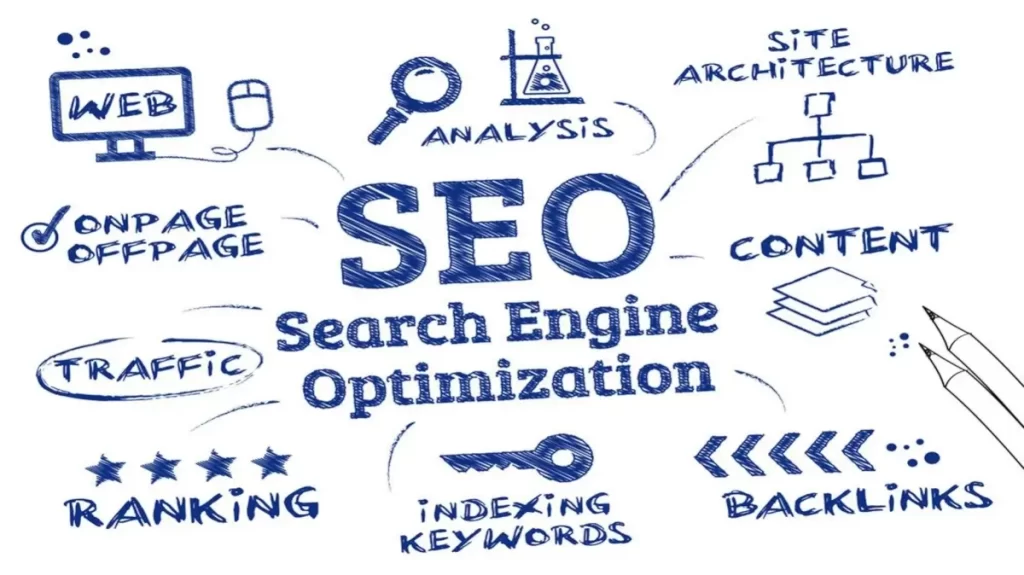
Moreover, SEO is not a one-time task. It requires ongoing effort and adaptation to changing algorithms. Search engines like Google frequently update their ranking criteria. Therefore, staying informed about the latest trends is essential for maintaining your rankings. For more insights, check out Moz’s Beginner’s Guide to SEO.
Keyword Research: The Foundation of SEO
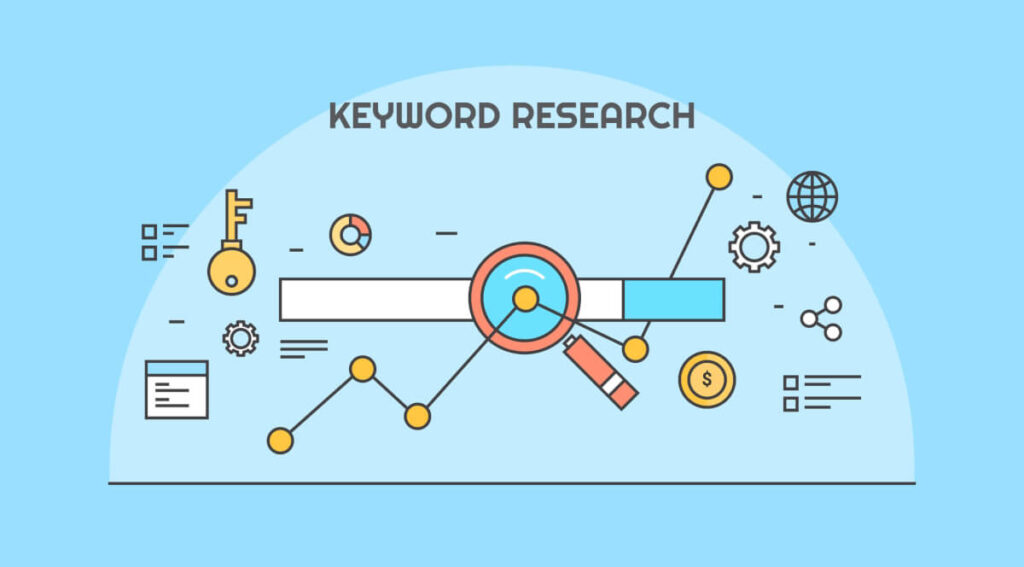
Keyword research is the cornerstone of effective SEO. It involves identifying the terms and phrases your target audience uses when searching for information. Tools like Google Keyword Planner and SEMrush can help you find relevant keywords. Once you identify these keywords, you can strategically incorporate them into your content.
Additionally, long-tail keywords are particularly valuable. They are less competitive and often lead to higher conversion rates. For instance, instead of targeting “shoes,” consider “best running shoes for flat feet.” This approach can significantly improve your chances of ranking higher in search results.
On-Page SEO Techniques
On-page SEO refers to optimizing individual web pages to rank higher. This includes optimizing title tags, meta descriptions, and header tags. Each page should have a unique title that includes your primary keyword. Similarly, your meta description should be compelling and informative, encouraging users to click through to your site. For more on this, visit Yoast’s Guide to On-Page SEO.
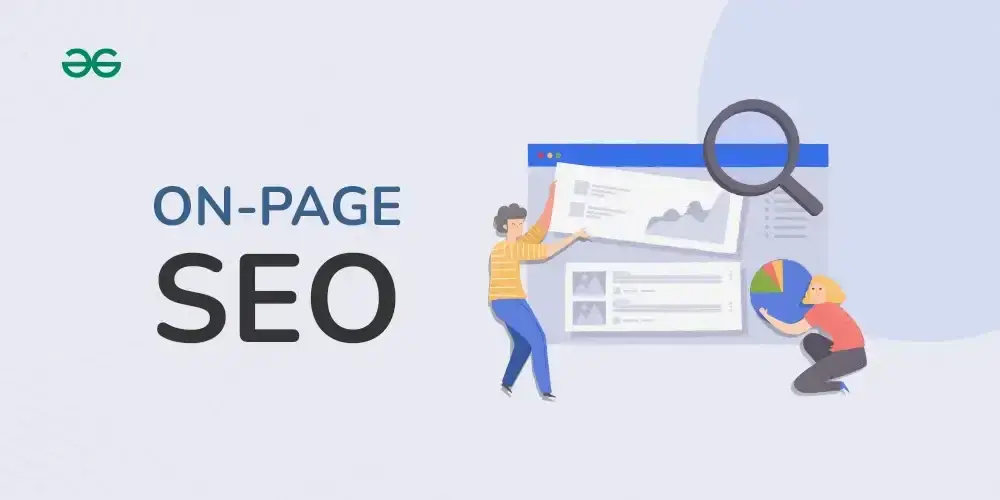
Furthermore, using header tags (H1, H2, H3) helps structure your content. It makes it easier for both users and search engines to understand your content. Additionally, incorporating internal links can enhance user experience and keep visitors on your site longer.
Quality Content Creation
Creating high-quality content is vital for SEO success. Search engines prioritize content that provides value to users. Therefore, focus on producing informative, engaging, and original content. Use a mix of text, images, and videos to keep your audience engaged. For tips on content creation, check out Content Marketing Institute.

Moreover, regularly updating your content can improve your rankings. Fresh content signals to search engines that your site is active and relevant. Consider starting a blog to share industry insights, tips, and news. This not only helps with SEO but also establishes your authority in your niche.
Link Building Strategies
Link building is another essential aspect of SEO optimization. It involves acquiring backlinks from other reputable websites. High-quality backlinks signal to search engines that your content is trustworthy. Consequently, this can lead to improved rankings.
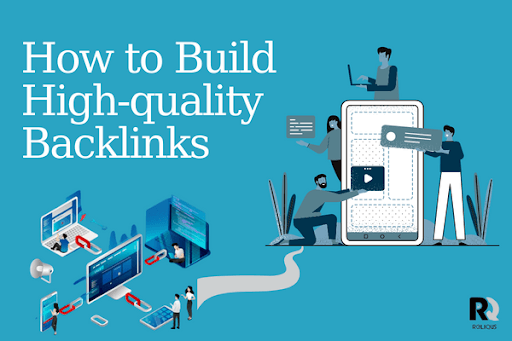
To build links, consider guest blogging on relevant sites. This allows you to share your expertise while earning valuable backlinks. Additionally, engaging with your audience on social media can drive traffic to your site and encourage others to link to your content. For more strategies, visit Ahrefs’ Guide to Link Building.
Technical SEO Considerations
Technical SEO focuses on the backend of your website. It ensures that search engines can crawl and index your site effectively. Key elements include site speed, mobile-friendliness, and secure connections (HTTPS). A fast-loading site enhances user experience and reduces bounce rates. For insights on improving site speed, check out Google’s PageSpeed Insights.
Moreover, optimizing your website for mobile devices is crucial. With more users accessing the internet via smartphones, a mobile-friendly site is essential. Google prioritizes mobile-responsive sites in its rankings. Therefore, ensure your website is optimized for all devices.
Monitoring and Analyzing SEO Performance
Finally, monitoring your SEO performance is vital for ongoing success. Tools like Google Analytics and Google Search Console provide valuable insights. They help you track your website’s traffic, user behavior, and keyword rankings. Regularly analyzing this data allows you to identify areas for improvement.
Additionally, keep an eye on your competitors. Understanding their strategies can provide insights into what works in your industry. By continuously refining your approach, you can stay ahead of the competition and maintain your search rankings.
In conclusion, mastering SEO optimization techniques is essential for better search rankings. By focusing on keyword research , on-page SEO, quality content, link building, technical SEO, and performance monitoring, you can enhance your online presence. Implement these strategies consistently, and watch your website climb the search engine results.