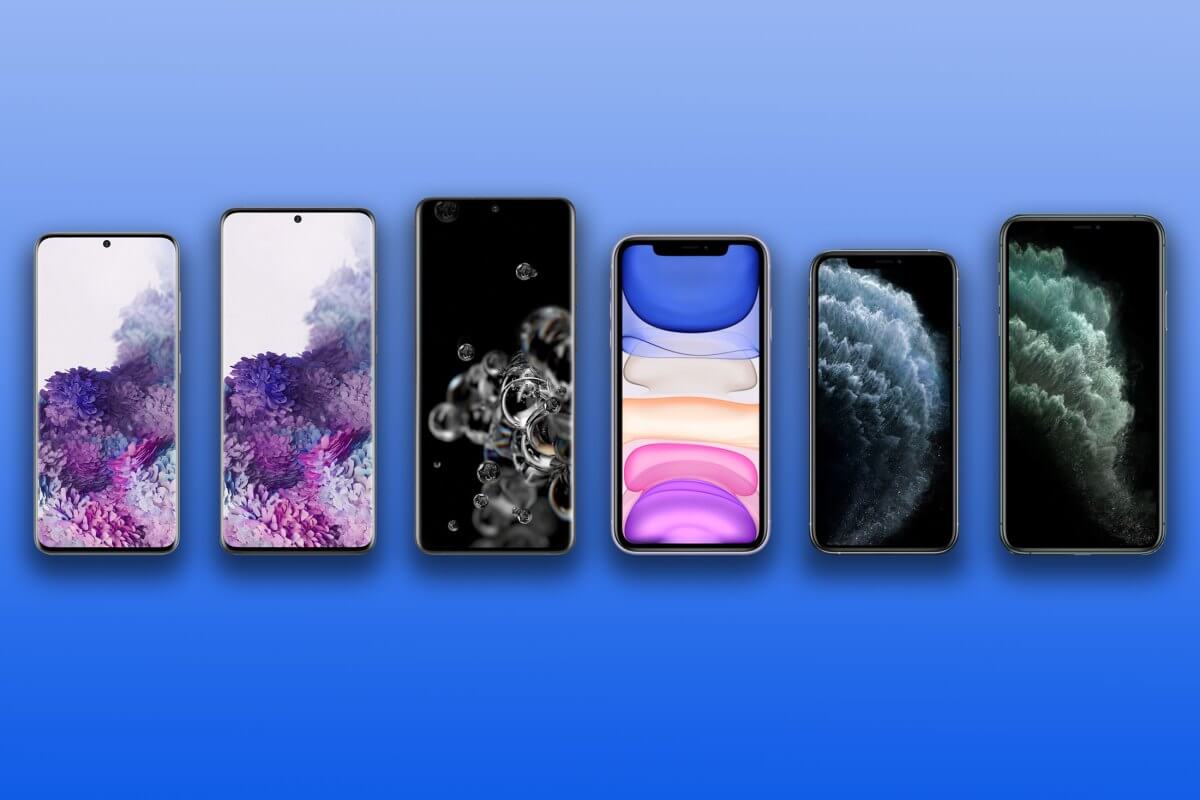
The smartphone world evolves rapidly, with brands competing to deliver unmatched innovation and value. In 2025, we witness intense rivalry between giants like Apple, Samsung, OnePlus, and Google. These tech powerhouses continue pushing boundaries with better processors, advanced cameras, and unique AI features.
Choosing the right phone can be tough. While some users seek top-tier performance, others prioritize camera quality or battery life. With flagship smartphones and budget phones improving yearly, a proper comparison helps buyers make informed decisions. This guide offers a deep dive into the latest models, highlighting strengths, flaws, and standout features.
iPhone 15 Pro Max vs. Samsung Galaxy S24 Ultra: The Flagship Titans
Apple’s iPhone 15 Pro Max boasts an A17 Pro chip, delivering stunning performance. The device has a sleek titanium body and enhanced battery life. Apple also introduced spatial video recording, elevating user experience.
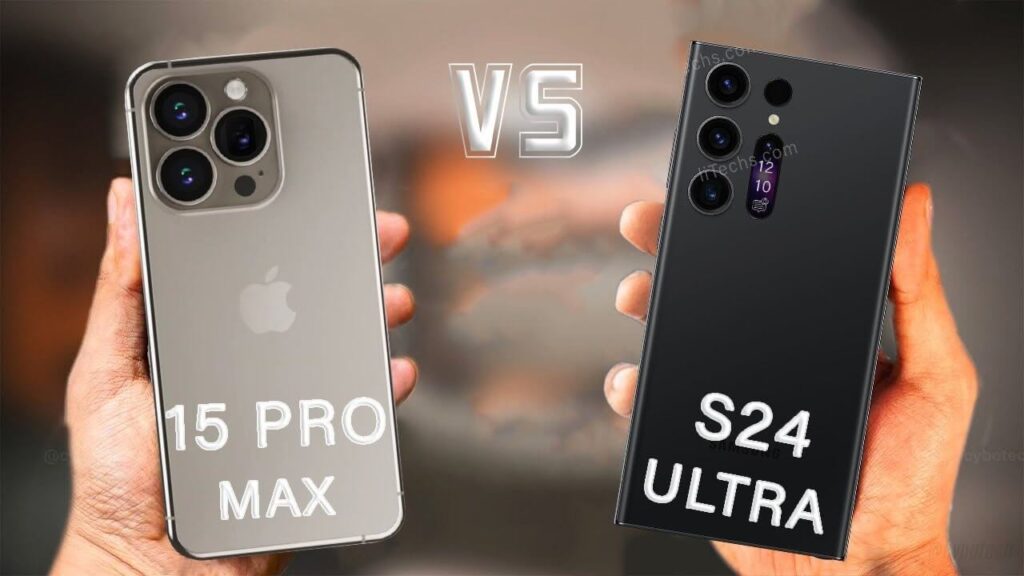
Samsung counters with the Galaxy S24 Ultra, featuring a Snapdragon 8 Gen 3 chip and a 200MP main camera. It supports AI-driven features that streamline photography and productivity.
Both phones offer premium displays and long software support. However, iPhone excels in ecosystem integration, while Samsung wins with customization and S Pen support. Overall, it depends on the user’s preferences and ecosystem loyalty.
Google Pixel 9: The AI-Centric Marvel
The Google Pixel 9 focuses on smart AI tools and computational photography. Google’s new Tensor G3 chip enhances image processing and security. This phone caters to photography lovers and Android purists alike.
The Pixel 9 introduces features like AI call screening and auto-reply enhancements. Moreover, its clean software experience with direct Android updates makes it highly reliable. Its camera continues to set industry standards in realism and color balance.
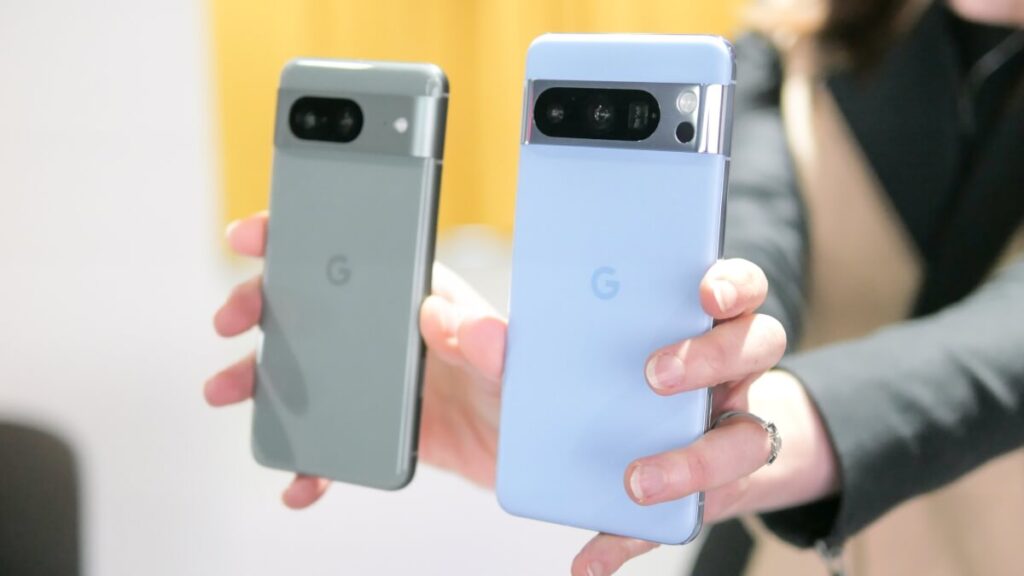
If you prefer regular updates and stellar camera performance, the Pixel 9 stands out. Its affordability also makes it an excellent value choice.
OnePlus 12 vs. Xiaomi 14: Performance vs. Value
OnePlus 12 impresses with its fluid performance and OxygenOS 14. It carries the Snapdragon 8 Gen 3 chip, a 120Hz AMOLED display, and 100W fast charging. OnePlus focuses on balancing flagship specs at a mid-range price.
In contrast, Xiaomi 14 packs similar power but undercuts the price tag. It also uses Leica optics, ensuring superior photography in low light.
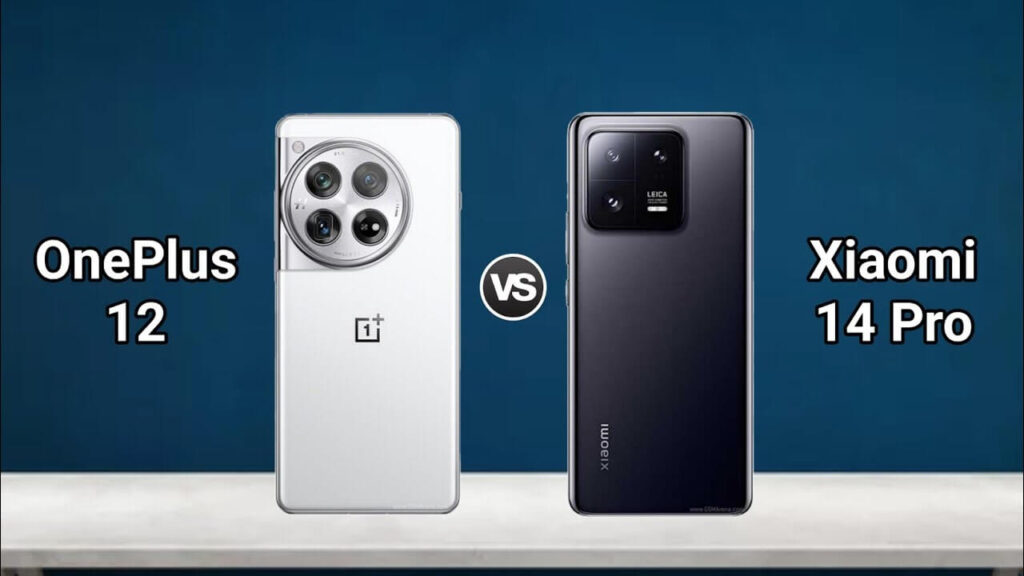
While both phones perform well, Xiaomi leads in affordability. However, OnePlus offers a more polished UI. Depending on your region and needs, both phones offer solid choices in 2025.
ASUS ROG Phone 8: The Gamer’s Delight
If gaming tops your list, the ASUS ROG Phone 8 deserves your attention. It’s optimized for mobile gaming with a 165Hz display and Snapdragon 8 Gen 3 chip. ASUS adds vapor cooling, AirTriggers, and a massive battery.
Gaming phones often lack camera quality and software support, but ROG Phone 8 narrows that gap. Although bulky, it delivers excellent thermal performance during long gaming sessions.
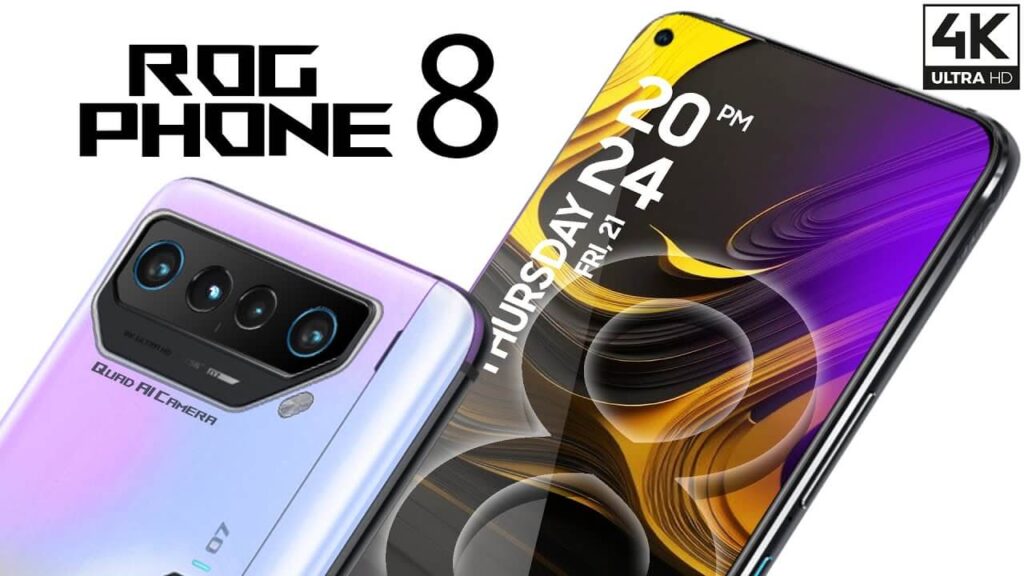
For serious gamers, this phone offers unbeatable performance and gaming-centric features. It remains the top pick for esports and high-performance users.
Foldables 2025: Samsung Z Fold5 vs. OnePlus Open
Foldable phones continue to mature in 2025. Samsung’s Z Fold5 refines its design with a thinner hinge and better multitasking features. It still leads the foldable segment with strong software support.
Meanwhile, the OnePlus Open brings a thinner form and Hasselblad-tuned cameras. It runs smoother software with fewer bugs and greater app compatibility.
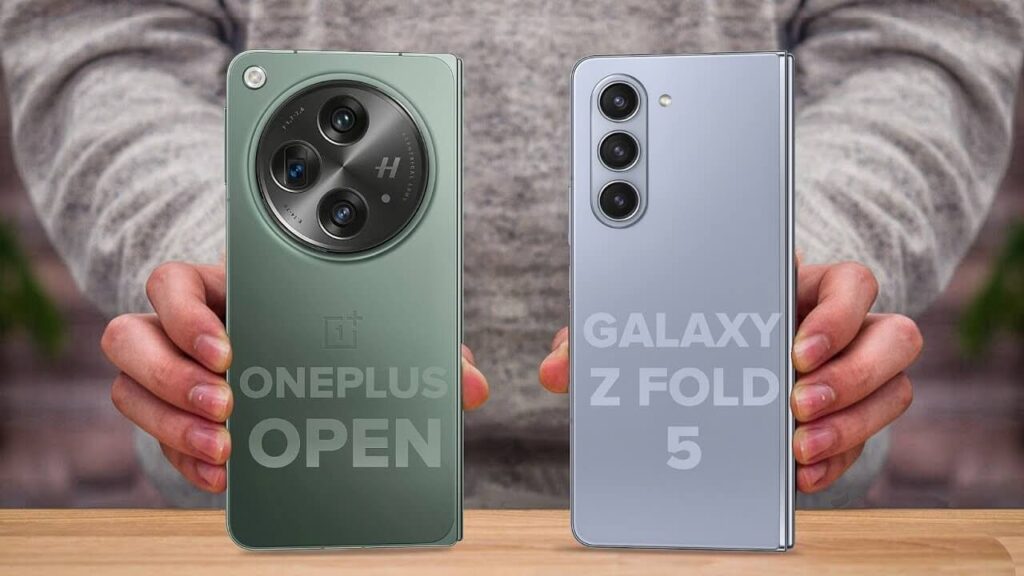
Foldables are becoming more practical for daily use. While Samsung provides better ecosystem support, OnePlus wins on design and camera balance. Both are pushing foldables closer to mainstream use.
Conclusion
This year’s smartphone lineup caters to every user type. Whether you’re a casual user, mobile gamer, or camera enthusiast, there’s a perfect fit. Apple and Samsung remain leaders, but brands like Google, OnePlus, and Xiaomi bring fierce competition. With AI integration, foldable innovation, and powerful chips, 2025 sets a new bar for mobile technology.
Before buying, consider your lifestyle, budget, and software preference. Most importantly, compare features with your actual needs. This ensures you pick a smartphone that truly complements your daily life.