Web development continues to evolve at an accelerated pace. In 2025, emerging technologies and user expectations will redefine how websites are built. From AI integration to voice-enabled interfaces, developers must keep up to stay competitive.
Indeed, many companies now demand interactive and intelligent digital solutions. Therefore, staying ahead of the latest trends is essential. In this post, we’ll explore key web development trends that will shape the digital landscape in 2025. We’ll also show how these changes can enhance user experience and streamline development workflows.
1. AI-Powered Development Is Becoming the Norm
AI is no longer just a buzzword—it is now a web development tool. Platforms like GitHub Copilot and DeepCode assist developers in writing clean, efficient code. They reduce time spent on repetitive tasks and debugging.

Moreover, AI enhances user experience. Chatbots, personalized content delivery, and predictive navigation are becoming standard on modern websites. This shift creates smarter and more responsive digital platforms. Expect more AI-driven tools and frameworks in the coming months.
2. Voice Search Optimization Is a Priority
With the rise of smart devices, voice search is no longer optional. Users expect websites to respond to voice commands. Hence, optimizing websites for voice search boosts visibility and improves accessibility.

To prepare for this trend, developers should focus on conversational keyword structures and natural language processing. Google’s Voice Search Guidelines provide great insights. Additionally, structured data using schema markup helps improve voice search compatibility.
3. Progressive Web Apps (PWAs) Are Going Mainstream
PWAs are apps built using web technologies that act like native mobile apps. They work offline, load quickly, and offer smooth performance.
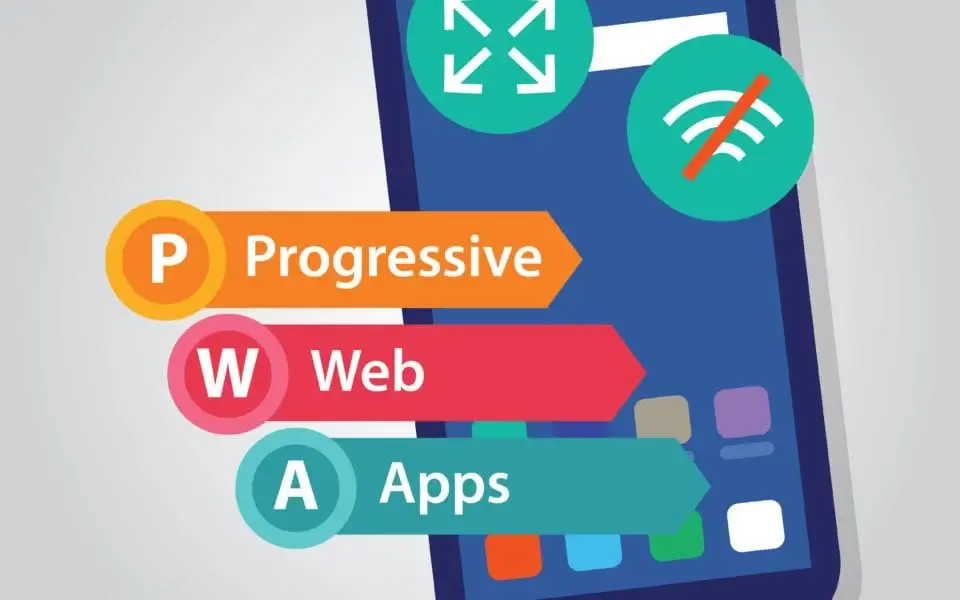
Major brands such as Pinterest and Twitter have already adopted PWAs. In 2025, expect even more businesses to follow. PWAs reduce development costs while improving user retention.
4. WebAssembly (Wasm) Expands Front-End Capabilities
WebAssembly allows code written in languages like C++ or Rust to run in the browser. This enables faster execution of heavy tasks. Developers can now build high-performance web apps without relying solely on JavaScript.
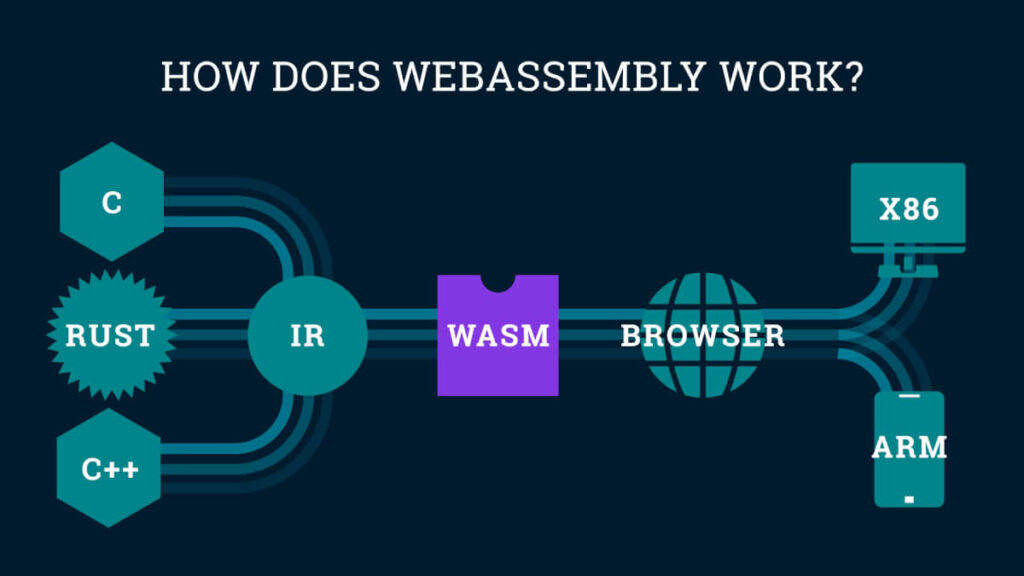
Wasm empowers real-time applications such as games, video editors, and scientific simulations. The WebAssembly official site provides tools and learning resources to get started. Thus, it’s a must-watch for developers aiming for performance-focused projects.
5. Headless CMS and Jamstack Architecture Lead Flexibility
Modern web architecture is shifting toward Jamstack and headless CMS systems like Strapi and Contentful. This trend enables greater scalability, security, and speed.
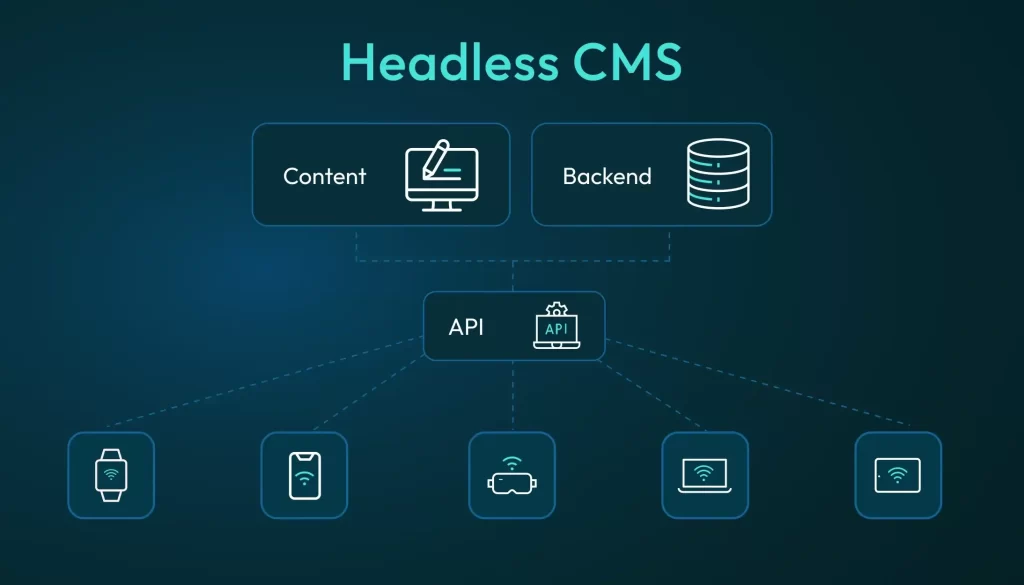
By separating the frontend from the backend, developers gain more control over performance and design. Headless systems also integrate easily with static site generators. In 2025, expect more companies to move away from traditional monolithic CMS platforms.
6. Cybersecurity-First Development Practices
Cybersecurity remains a top concern for developers and users alike. With increasing data breaches, secure web design is critical. Developers now adopt security-first frameworks and practices by default.
Tools such as OWASP and HTTPS encryption ensure safe user experiences. Multi-factor authentication, role-based access, and regular audits should be standard procedures. Security must be integrated from the planning stage of every web project.
7. Inclusive and Accessible Design Becomes Standard
Accessibility is not just about compliance—it’s about reaching everyone. Accessible websites improve user engagement and SEO rankings.
Developers are focusing more on screen reader support, high contrast design, and keyboard navigation. The W3C Web Accessibility Initiative is a valuable resource for implementing best practices. In 2025, accessibility will be non-negotiable for serious digital brands.
Conclusion
Web development in 2025 will focus on intelligence, performance, and inclusivity. Developers must learn to integrate AI, support voice search, and use modern frameworks. As a result, they will deliver powerful user experiences and remain relevant in the ever-changing tech world.
While trends change, the foundation remains the same—build fast, secure, and user-friendly websites. By embracing these trends, developers position themselves at the forefront of innovation.