
Search engine optimization (SEO) is essential for every website aiming for online visibility. With millions of websites competing for attention, effective on-page SEO and strategic efforts can help you rank higher on search engines. In fact, improving your organic traffic begins with understanding SEO techniques that align with current search algorithms.
Moreover, when you apply updated methods, you gain better chances to appear on the first page of Google. This blog explores proven SEO strategies, from content creation to site speed, to help improve your site’s rankings. Whether you’re a beginner or a digital marketing pro, these techniques will refine your approach.
1. Optimize for User Intent
Search engines now prioritize content that matches user intent. Therefore, understanding what your audience is searching for is critical. Start by identifying the queries they use. Then, tailor your content to answer those queries in detail.

Use tools like AnswerThePublic or Google Trends to identify relevant questions. Creating content that provides solutions increases engagement. As a result, your dwell time improves, boosting your SEO performance.
2. Improve Website Speed and Mobile Friendliness
Page speed is a confirmed ranking factor. A slow site frustrates users and leads to higher bounce rates. Use tools such as Google PageSpeed Insights to analyze and improve your loading times.

Additionally, more users browse on mobile than desktop. So, mobile responsiveness is no longer optional. Use responsive design to ensure your content displays well on all devices. Try using BrowserStack to test your site on multiple devices.
3. Optimize On-Page SEO Elements
Every on-page element should support your SEO strategy. That includes titles, meta descriptions, headers, and image alt texts. Use your primary keyword in the title and meta description. This boosts your relevance in search results.
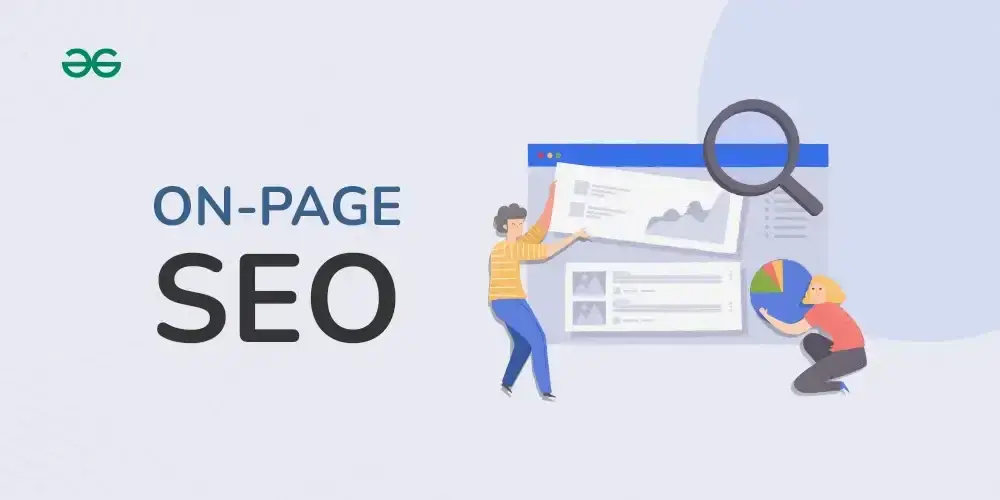
Also, organize your content with clear H1, H2, and H3 tags. This improves readability and helps search engines understand your structure. Use short paragraphs, bullet points, and white space to enhance user experience.
4. Create High-Quality, Keyword-Rich Content
Content remains king in SEO. But not just any content—focus on high-value, original, and keyword-optimized writing. Use your keywords naturally. Overstuffing can lead to penalties from Google.

Create long-form blog posts that deeply explore your topic. According to Backlinko, long content tends to rank better. Additionally, update old content regularly to maintain relevance and authority.
5. Build Quality Backlinks from Authoritative Sites
Backlinks act as votes of confidence from other websites. However, not all backlinks are equal. Focus on quality over quantity. A link from a trusted domain carries more weight than several from low-authority sites.
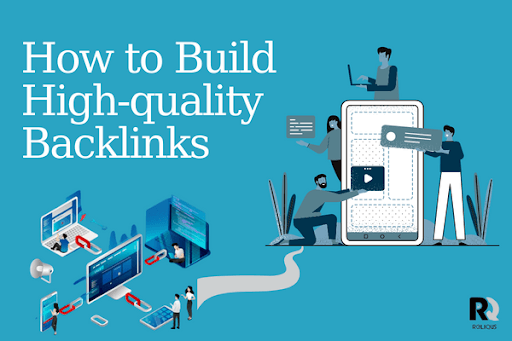
Use strategies like guest posting, broken link building, and creating linkable assets. Tools like Ahrefs help you identify backlink opportunities. Also, share your content on forums and communities to gain visibility and links.
6. Leverage Technical SEO for Better Crawling and Indexing
Technical SEO ensures that search engines can crawl and index your site efficiently. This involves using XML sitemaps, optimizing robots.txt, and fixing crawl errors. Use Screaming Frog SEO Spider to audit your site.
Implement schema markup to help search engines understand your content better. Structured data improves how your pages appear in SERPs, leading to more clicks. Don’t overlook HTTPS—secure websites rank better and earn users’ trust.
7. Track SEO Performance and Adapt Strategies
SEO is not a one-time job. Regularly monitor your performance using tools like Google Analytics and Google Search Console. Identify which pages perform best and which need improvement.
Also, keep up with Google algorithm updates. SEO trends evolve rapidly, so staying informed helps you remain competitive. Adjust your content and techniques based on data insights and search engine requirements.
Conclusion
Effective SEO requires consistent effort and regular updates. Implementing these techniques can significantly enhance your search visibility. Keep testing, analyzing, and adapting your strategies. As you focus on your users’ needs and search engine guidelines, you’ll see improved rankings and engagement.