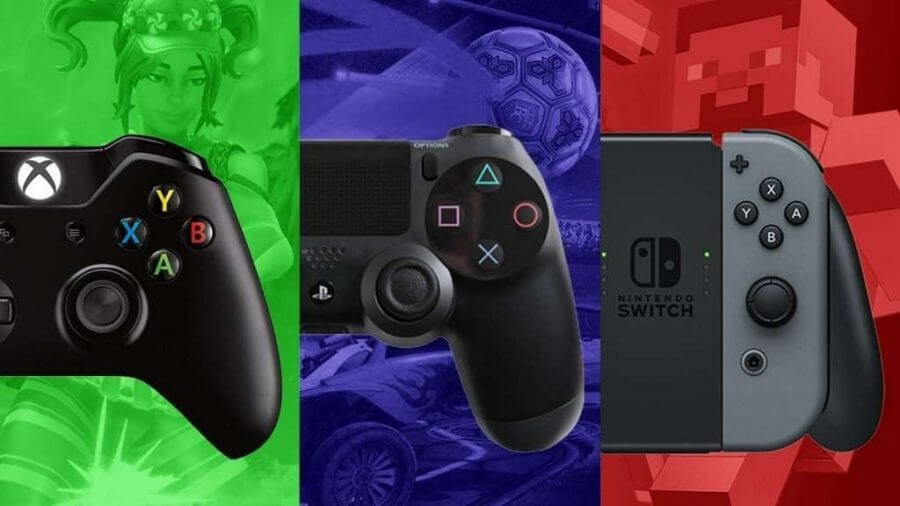
The gaming world is evolving rapidly, and cross-platform gaming is at the forefront of this revolution. It breaks down the barriers between devices, allowing players on PC, consoles, and mobile to join forces. As multiplayer experiences become more immersive and collaborative, cross-platform compatibility is becoming essential, not optional.
More than just a convenience, this trend is reshaping how games are played and developed. Developers now design titles with broader audiences in mind, increasing accessibility and community size. With major franchises like Fortnite, Call of Duty: Warzone, and Minecraft supporting cross-play, the demand for seamless experiences across platforms has reached an all-time high.
What is Cross-Platform Gaming?
Cross-platform gaming allows players using different gaming systems to interact and play together. For example, a PS5 player can team up with someone on an Xbox or PC. This innovation removes restrictions and brings gamers together, regardless of their chosen hardware.
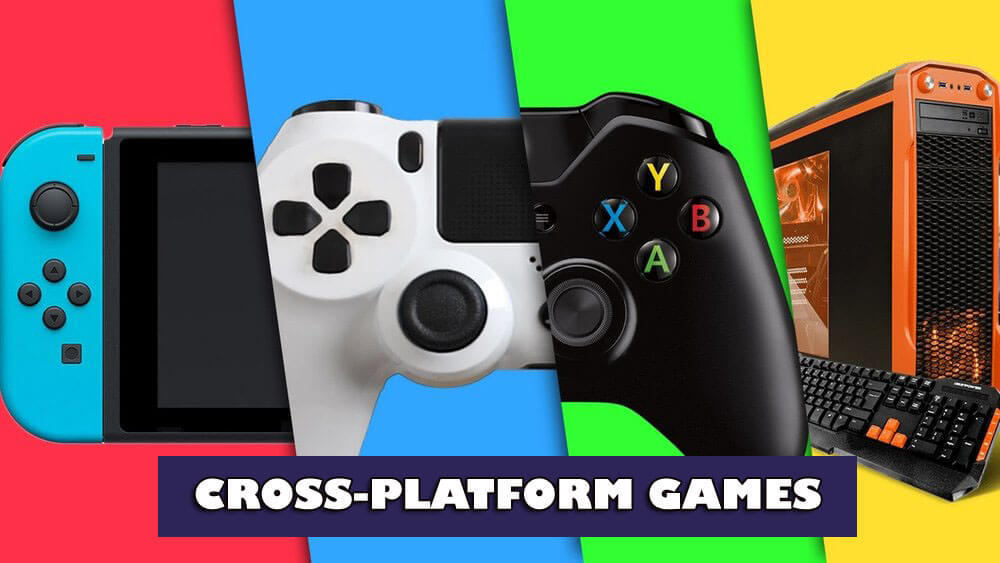
According to GameSpot, this feature has become a must-have in competitive games. It promotes fairness, inclusivity, and a more unified gaming community. Developers benefit, too, as it leads to increased game lifespan and user engagement.
The Technology Behind Cross-Platform Integration
Creating a seamless cross-platform experience isn’t simple. Developers need to overcome technical differences between platforms, such as input methods and performance capabilities. Synchronizing game data across servers is also a complex task.
However, advances in cloud gaming and backend infrastructure are making this easier. Companies like Epic Games have developed cross-platform engines like Unreal Engine, which support integration out of the box. APIs and SDKs offered by companies like Unity also allow real-time multiplayer connectivity.

Benefits for Gamers and Developers Alike
Gamers benefit from a larger pool of players. This reduces matchmaking times and ensures competitive balance. Cross-play also means gamers don’t have to invest in the same console as their friends to enjoy multiplayer titles together.
For developers, cross-platform support translates into better retention rates and stronger communities. As VentureBeat reports, games with cross-play features often outperform those without it. It also allows studios to market their games to a wider demographic, maximizing returns.
Challenges That Still Exist
Despite the many benefits, cross-platform gaming comes with challenges. One major issue is balancing input types. For example, mouse and keyboard users often have an edge over console players.
Platform exclusivity deals also complicate cross-platform support. Companies like Sony and Microsoft may restrict cross-play due to licensing and profit-sharing concerns. IGN notes that some titles still do not allow cross-play due to such legal and technical hurdles.
The Role of Cross-Progression
Cross-platform features often go hand-in-hand with cross-progression. This allows players to save and continue their progress on any device. Games like Apex Legends and Genshin Impact have popularized this trend.
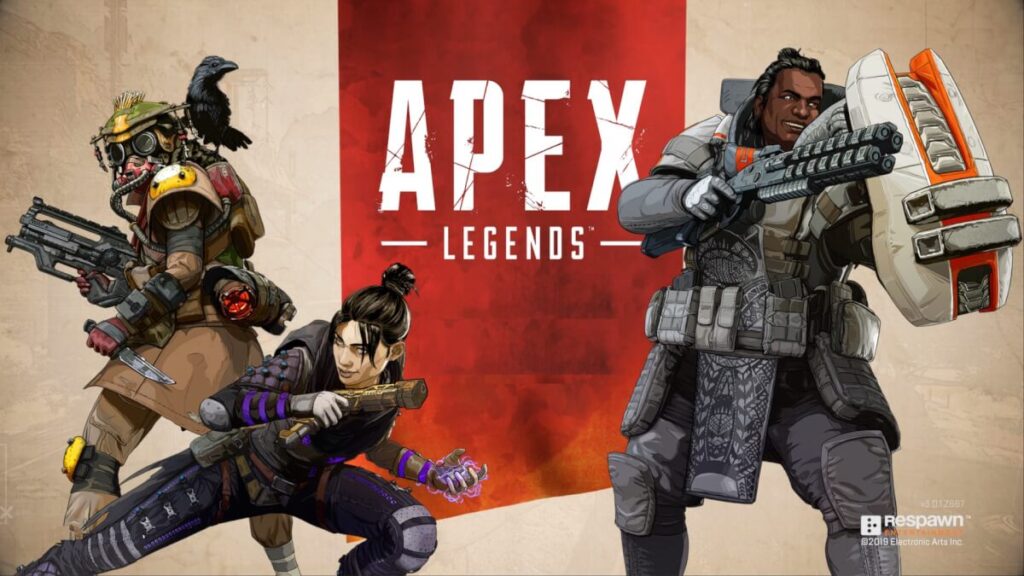
With cross-progression, gamers can switch from a PC to a console and continue playing without losing progress. This level of freedom enhances user experience significantly and keeps players more engaged long-term.
The Future of Multiplayer Gaming
As technology continues to improve, cross-platform play will become the standard. New titles are increasingly being developed with this in mind from day one. Platforms are also becoming more open to collaboration.
Game publishers are now focusing on universal player profiles, unified friend lists, and cloud saves. These innovations will allow for even smoother multiplayer interactions in the future. It’s not far-fetched to imagine a time when platform boundaries will no longer exist at all.
Conclusion
Cross-platform gaming is more than just a trend—it is the future of multiplayer gaming. With growing support from developers and increasing demand from players, it’s set to become a foundational part of the gaming landscape. Though challenges exist, the benefits clearly outweigh the drawbacks. As technology evolves, cross-play and cross-progression will redefine what multiplayer gaming truly means.