The rapid rise of artificial intelligence has transformed industries, economies, and everyday life. However, with this growth comes significant risks. These include algorithmic bias, data misuse, and lack of transparency. This is why ethical AI and AI risk management are now global priorities for businesses, governments, and technologists.
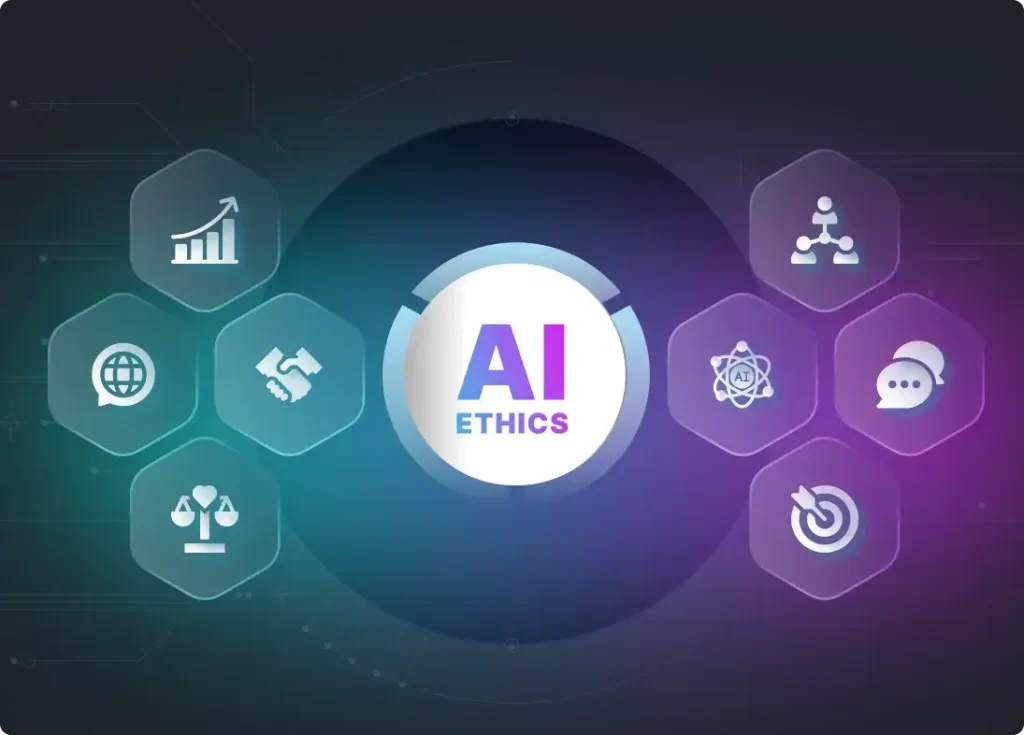
AI governance platforms are emerging as vital tools to address these challenges. They help regulate AI systems from development to deployment. These platforms ensure that organizations stay compliant with ethical standards and regulations. In this article, we will explore how AI governance platforms work and why they are essential for the responsible use of AI technologies.
What Are AI Governance Platforms?
AI governance platforms are frameworks or software solutions that help manage AI operations in a secure and ethical way. They monitor AI models for bias, fairness, and compliance with internal and external policies.
Moreover, these platforms provide documentation, audit trails, and continuous testing. This helps teams prove accountability and ensure transparency. They support organizations in adopting trustworthy AI, which boosts public confidence and reduces legal risks.

Some well-known platforms include IBM’s Watson OpenScale, DataRobot MLOps, and Fiddler AI. These tools allow real-time insights into model performance, helping companies make data-driven decisions with confidence.
Why AI Governance Is Crucial in Today’s World
As AI becomes more integrated into critical sectors like healthcare and finance, the need for governance becomes urgent. Misuse of AI can result in discrimination, privacy breaches, or even security threats.
By using AI governance platforms, organizations can better align their AI projects with global ethical standards. For instance, the EU AI Act outlines strict rules on high-risk AI systems. Companies that ignore these may face fines or lose user trust.
Moreover, AI systems that are transparent and well-governed tend to deliver better outcomes. Customers feel safer, and teams can detect issues before they escalate. Thus, ethical AI is not just a responsibility—it’s a competitive advantage.
Key Features of AI Governance Platforms
- Model Transparency Tools
These explain how AI models make decisions. This supports better understanding and reduces black-box risks. - Bias Detection Modules
These automatically scan datasets and algorithms for signs of bias or unfair treatment. - Compliance Dashboards
These help ensure that models meet legal and ethical standards, like those set by the OECD AI Principles. - Version Control and Documentation
Teams can trace every change made to a model, improving accountability and reproducibility. - Audit Trails
These are essential for proving compliance during external reviews or internal risk assessments.

Benefits of Implementing Governance Frameworks
There are numerous benefits to adopting a structured approach to AI governance. These platforms minimize regulatory risks and ensure long-term business sustainability.
First, they help companies avoid fines and reputational damage by staying compliant with global data protection laws. For example, platforms ensure AI models align with GDPR requirements when used in the European Union.
Second, AI governance platforms promote collaboration across departments. Developers, legal teams, and executives can work together using shared metrics and dashboards. This fosters accountability and smoother decision-making.
Finally, they drive innovation by enabling organizations to experiment safely. With built-in testing and validation tools, teams can iterate faster and more responsibly.
Challenges and Considerations in AI Governance
Despite their benefits, AI governance platforms are not without challenges. One major hurdle is integration with existing AI infrastructure. Many legacy systems lack the flexibility required for governance tools.
Another issue is the evolving nature of global regulations. As laws change, platforms must be updated constantly to stay compliant. Additionally, companies need skilled professionals who understand both AI development and regulatory compliance.
Cultural and organizational resistance can also hinder adoption. Some teams may view governance as a barrier to innovation. Therefore, educating stakeholders and highlighting the long-term benefits is crucial for success.
Future of AI Governance Platforms
As AI technologies evolve, governance platforms will continue to grow in sophistication. Future tools may include stronger AI policy compliance mechanisms and automated ethical reasoning engines.
We can also expect increased support for industry-specific regulations. For instance, tools may tailor their checks for healthcare, automotive, or finance sectors. This will make governance more precise and adaptable.
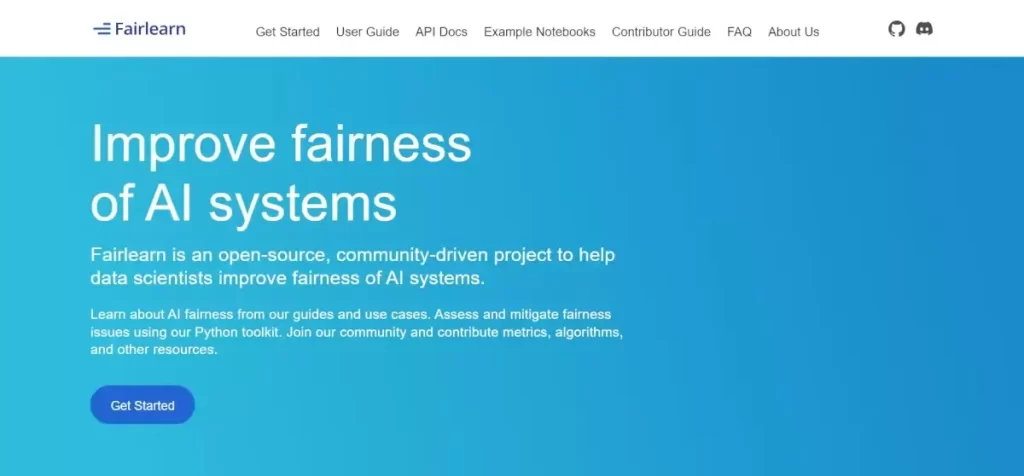
Moreover, open-source projects like Fairlearn and AI Fairness 360 are driving innovation in responsible AI. These will likely influence the design and features of future commercial platforms.
Conclusion
AI governance platforms are becoming essential tools in today’s data-driven world. They ensure AI is used in a way that is transparent, fair, and accountable. As businesses scale their use of AI, governance will no longer be optional—it will be foundational.
By investing in AI governance now, organizations can build trust, reduce risk, and lead with responsibility. The future of AI depends not just on innovation, but also on how well we manage its impact.