
In 2025, digital surveillance and data protection are now central issues for governments, companies, and individuals alike. As our world becomes more connected, personal information is more exposed than ever. New technologies promise convenience, but they also carry serious privacy concerns. Balancing innovation and user safety has become a global priority.

With artificial intelligence, smart devices, and cloud services everywhere, vast amounts of data are collected daily. Unfortunately, not all systems prioritize user privacy. From social media platforms to health apps, many tools gather more information than necessary. As a result, individuals feel increasingly powerless about how their data is used. Despite rising awareness, most people lack clear control over their digital footprint.
Growing Threats to Personal Privacy
Cybercrime continues to evolve, and hackers now use more advanced tactics to steal data. In 2024 alone, the IBM Cost of a Data Breach Report revealed an average breach cost of $4.45 million. This amount has only increased in 2025.

Moreover, phishing attacks, ransomware, and identity theft are more frequent than ever. Many attackers use AI-powered tools to exploit weak points in systems. Businesses without proper safeguards are often easy targets. Even more concerning, some governments use surveillance programs to track citizens under the guise of national security.
Corporate Data Practices and Accountability
Companies collect user data to improve services and target ads. However, some push these practices too far. Meta, Google, and Amazon have faced scrutiny over their handling of personal information. In some cases, they shared data without clear consent.
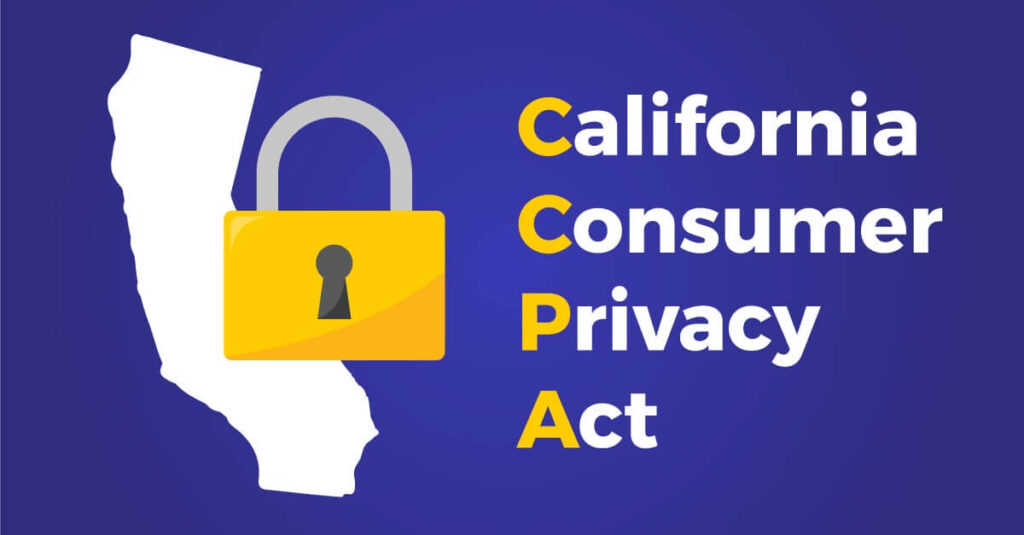
To address this, laws like the General Data Protection Regulation (GDPR) in Europe and the California Consumer Privacy Act (CCPA) in the United States have pushed for more transparency. Still, global regulations remain inconsistent. Many regions lack strong privacy laws, leaving users vulnerable. Businesses must now be more accountable and prioritize ethical data use.
Regulatory Developments and Legal Frameworks
The need for stricter privacy regulations is stronger than ever. Countries are now passing or updating laws to address digital threats. In 2025, the United Kingdom introduced the Digital Rights and Freedoms Bill, which strengthens user rights over their data.
Meanwhile, the OECD Digital Economy has proposed global standards to help nations align privacy frameworks. Yet, enforcement remains a challenge. Not all companies follow rules, especially those operating across borders. Therefore, international cooperation is vital to build an effective legal structure.
Opportunities in Privacy-First Innovation
Despite the risks, 2025 also brings promising solutions. Many startups are focusing on privacy-by-design software. These tools minimize data collection and offer users better control. Secure messaging apps, encrypted email, and decentralized platforms are gaining traction.
In addition, organizations are adopting zero-trust architecture and stronger encryption methods. These measures help prevent unauthorized access and improve overall security. Even tech giants are now rolling out privacy dashboards that let users manage their data preferences. This shift shows growing public demand for ethical technology.
Building a Privacy-Conscious Culture
Public education is key to improving data protection. Schools, businesses, and governments must work together to raise awareness. Simple actions like using strong passwords and enabling two-factor authentication can make a big difference.
Moreover, privacy should be treated as a fundamental right. More people are advocating for ethical data practices. Through campaigns, policy discussions, and open forums, citizens are pushing for greater accountability. A more informed public can hold both companies and governments responsible.
Conclusion
The state of privacy in 2025 reflects both serious challenges and exciting opportunities. As technology advances, the risks will only grow. But with the right laws, tools, and awareness, we can build a more secure digital world. Now is the time to invest in privacy-first solutions and advocate for stronger protections.
If we act now, we can shape a future where privacy is not an afterthought—but a core digital value.