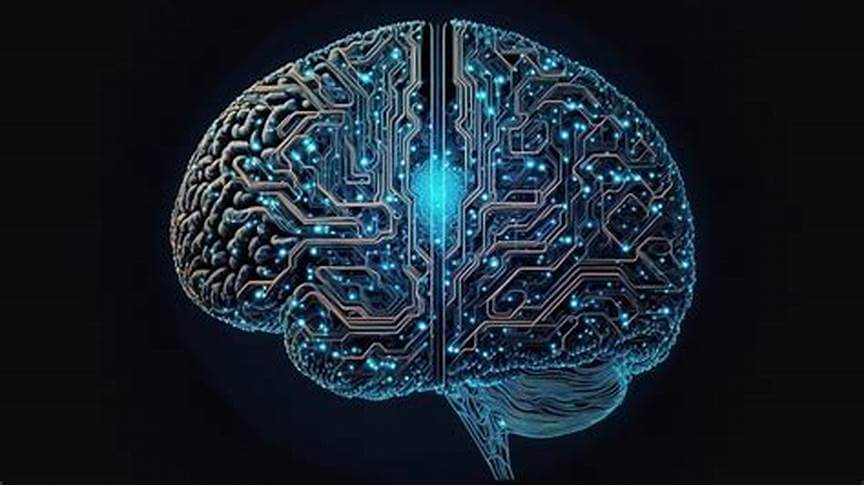
The lines between biology and artificial intelligence are blurring faster than ever before. Thanks to rapid technological advances, we are now witnessing the emergence of living intelligence—a revolutionary fusion of AI and biotechnology. This groundbreaking convergence is not just shaping the future of innovation but also redefining what it means to be intelligent.
In recent years, biotech has evolved beyond traditional medicine and research. Simultaneously, AI has matured into a powerful tool across industries. Together, they are creating biohybrid systems that mimic life, solve complex problems, and even evolve over time. These developments are shaking up everything from medicine to agriculture, with synthetic biology and biocomputing taking center stage.
How AI Is Powering the Biotech Revolution
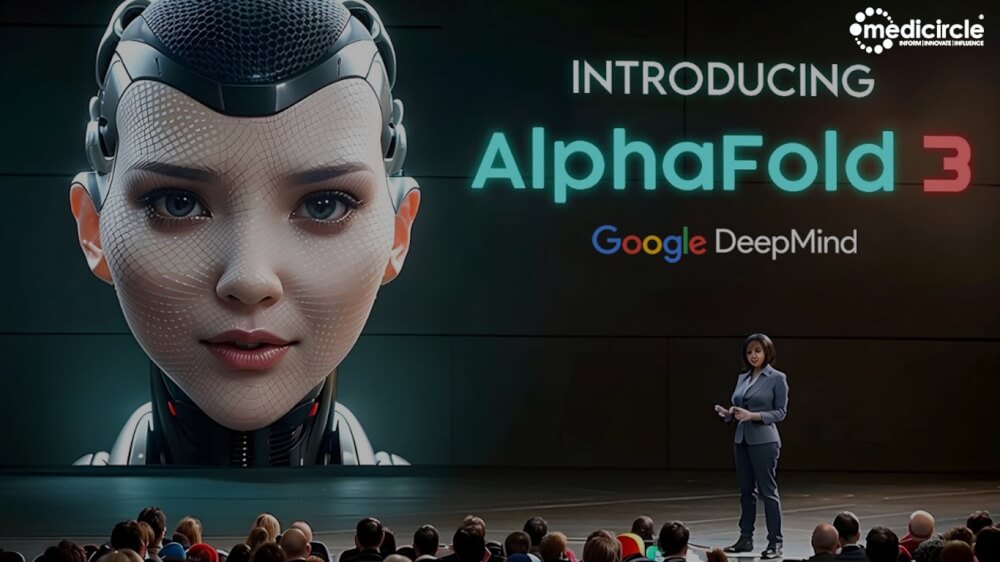
AI algorithms are now essential in processing vast biological data. From genome mapping to protein folding, AI accelerates research and discovery. One prime example is DeepMind’s AlphaFold, which accurately predicted protein structures. This breakthrough is revolutionizing drug discovery and biomedical research.
DeepMind’s AlphaFold has even been hailed as one of the greatest achievements in science.
In pharmaceuticals, AI speeds up testing and simulation processes. What once took years now takes months or even weeks. For instance, AI helped identify potential COVID-19 treatments early in the pandemic. Tools like IBM’s Watson Health are also being used to diagnose diseases and recommend treatments, showcasing the tangible benefits of AI in biotech.
Biocomputing: Living Processors and Beyond
Biocomputing is taking AI to a biological level. Scientists are using neurons and other biological materials to create computing systems. These systems can process information much like human brains but at a cellular level. This new frontier allows for adaptable, self-learning, and energy-efficient systems.
In 2023, researchers at the University of Sydney developed a “brain-on-a-chip” using lab-grown neurons. This chip could learn and play simple video games. Cortical Labs is behind this innovation. They aim to create synthetic intelligence that mimics real cognitive behavior. This raises the possibility of truly living machines.
Synthetic Biology and Artificial Life Forms
Synthetic biology allows scientists to design organisms with desired traits. Combined with AI, this field can produce living machines for specific tasks. These include cleaning up pollution, detecting diseases, or even building structures.
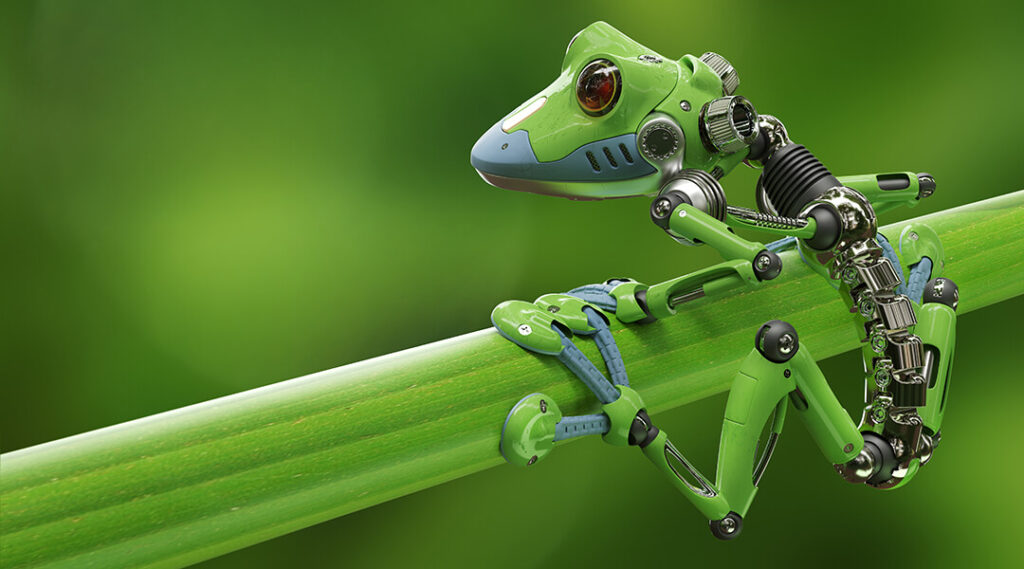
A landmark development is the creation of Xenobots—tiny programmable lifeforms made from frog cells. These living robots can move, heal, and work together. Xenobots could pave the way for advanced drug delivery or tissue repair. With AI, their behavior can be fine-tuned to respond to their environment in real time.
Impacts on Healthcare and Human Longevity
The blend of AI and biotechnology is unlocking personalized medicine. AI can analyze genetic data to tailor treatments for individuals. This results in fewer side effects and more effective outcomes.
Additionally, bio-AI technologies are helping extend human lifespan. Researchers are using machine learning to predict aging patterns and develop anti-aging therapies. Altos Labs and Calico are two major players focused on longevity research using AI-biotech integration.
Ethical Dilemmas and Safety Concerns
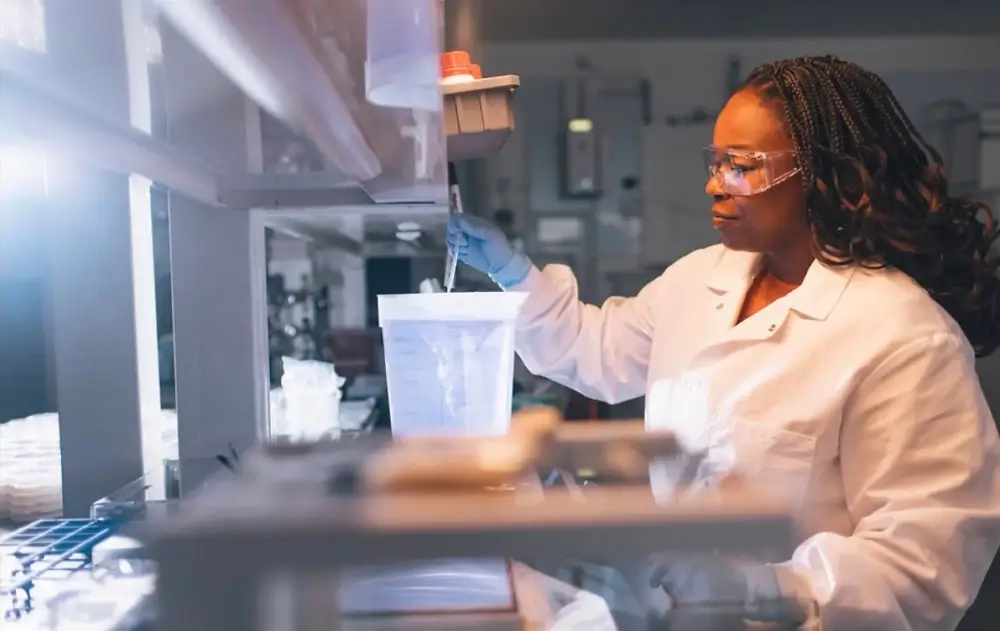
While the promise is exciting, there are ethical and safety questions to address. Should living machines have rights? Who regulates biohybrid intelligence? These questions remain open.
Moreover, misuse of living AI systems could lead to biological weapons or uncontrollable behaviors. Experts urge strong ethical frameworks and regulations. Organizations like The Future of Life Institute are leading discussions on the safe development of advanced technologies.
Future Outlook: Toward a Bio-Intelligent World
The future of living intelligence is promising yet unpredictable. As AI and biotech continue to evolve, we may see fully integrated biological AI systems. These systems could become part of our bodies, cities, and environment.
Governments, scientists, and tech leaders must collaborate to ensure responsible innovation. With proper safeguards, living intelligence could lead to a safer, healthier, and more intelligent world.
Conclusion
The merger of AI and biotechnology is one of the most exciting developments of our time. From programmable life forms to personalized medicine, the possibilities are endless. As long as innovation walks hand in hand with ethics, the age of living intelligence may redefine human progress as we know it.