
In today’s fast-paced digital world, search engines must evolve to meet changing user expectations. Traditional keyword-based search often falls short. This is where context-aware AI systems step in. These systems don’t just process text—they understand intent, context, and even user preferences. They are reshaping how we interact with the internet, creating a more intuitive and personalized search experience. As AI advances, the future of search looks smarter, faster, and more helpful than ever before.
Understanding Context-Aware AI Systems
Context-aware AI systems go beyond traditional keyword matching. They analyze user behavior, location, history, and even real-time signals. This allows the system to predict what a user really wants to find. For instance, typing “best pizza” at lunch might show nearby pizza shops rather than recipes.
These systems also learn from previous interactions. If a user frequently clicks on vegan recipes, future food searches prioritize plant-based results. This leads to a more meaningful and efficient search experience, which benefits both users and content creators.
The Role of Natural Language Processing (NLP)
Natural Language Processing (NLP) is the core of context-aware search systems. It helps machines understand human language more like a person would. NLP deciphers sentence structure, intent, sentiment, and even ambiguity in queries.
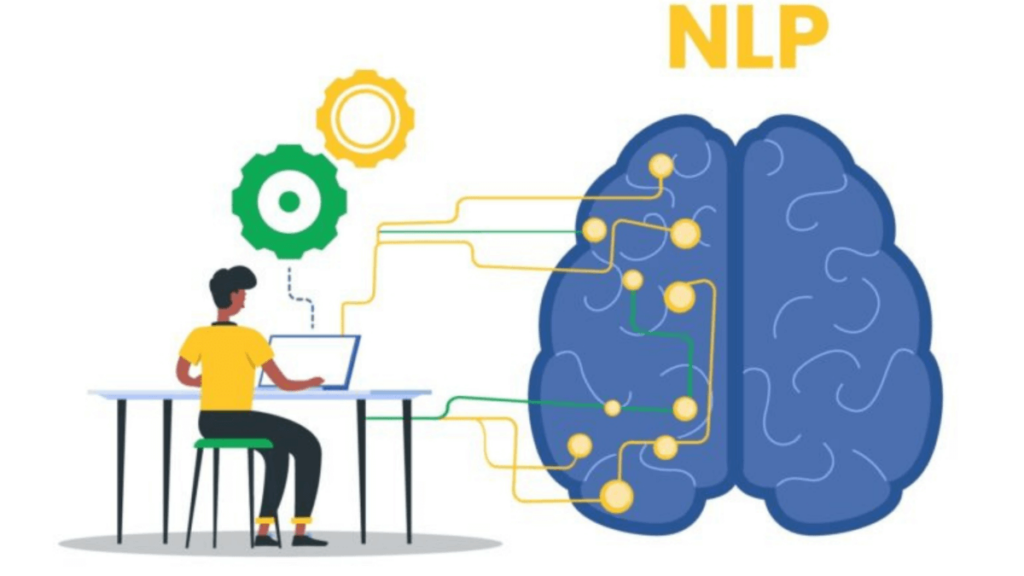
Thanks to NLP, users no longer need to phrase their queries perfectly. They can ask questions naturally, like “What’s the weather like in Tokyo tomorrow?” AI interprets this accurately and delivers precise results. This shift is critical for voice search and virtual assistants, where conversational language is key.
Personalization and User Intent
Context-aware systems personalize results based on user profiles and patterns. If someone frequently searches for sports news, future queries will reflect that interest. This boosts engagement and satisfaction significantly.
Moreover, these systems are built to detect intent. Searching “how to bake a cake” and “cake shops near me” may use similar words but have different meanings. Context-aware AI distinguishes these differences with remarkable accuracy. This leads to better results and fewer failed searches.
Real-Time Search Adaptation
Another advantage of context-aware AI is its ability to adapt in real-time. Search engines can adjust results based on trends, news, or even sudden changes in a user’s behavior. For instance, searching “iPhone” during a product launch gives you updates, reviews, and unboxing videos.
This real-time flexibility ensures users stay informed with the latest content. It also opens opportunities for content marketers to optimize based on ongoing events. Real-time responsiveness makes AI-powered search a dynamic tool rather than a static platform.
Integration with Voice and Visual Search
Voice search is rapidly growing, especially on mobile and smart home devices. Context-aware systems make voice search more effective by processing conversational commands. They understand follow-up questions like “What’s the weather today?” followed by “How about tomorrow?”

Visual search is also becoming mainstream. Users can upload an image or use their camera to search for items. For example, Google Lens lets you find products, translate text, or identify plants. Context-aware AI enables these systems to deliver relevant and quick results.
To explore visual search in action, check out Google Lens. For voice search integration, read more on Amazon Alexa’s AI capabilities.
Data Privacy and Ethical Considerations
As these systems collect and analyze vast user data, privacy becomes a growing concern. Companies must balance personalization with ethical data use. Transparency in data handling and allowing users control is key to building trust.
The EU’s GDPR regulations and similar global laws aim to protect users. Businesses using context-aware AI should adopt similar standards. As users become more aware of data rights, ethical design will be a competitive advantage.
The Future Outlook: Smarter, Seamless, and Secure
The future of AI-powered search is promising. Expect deeper personalization, faster response times, and more intelligent systems. AI will anticipate your needs before you even search. Search will become less about typing and more about experiencing information in context.
Major tech firms like Microsoft and OpenAI are already investing in more advanced models. These models will power the next generation of assistants, browsers, and content platforms. Businesses that adapt early will have a competitive edge in this evolving landscape.