A New Era in Gaming
Cloud gaming has rapidly evolved in recent years, and 2025 might be its tipping point. With faster internet and powerful servers, it is no longer a novelty. Platforms like Xbox Cloud Gaming and NVIDIA GeForce Now are reshaping how people access and play games. The promise of instant gameplay without long downloads or expensive hardware is attracting millions of players worldwide.
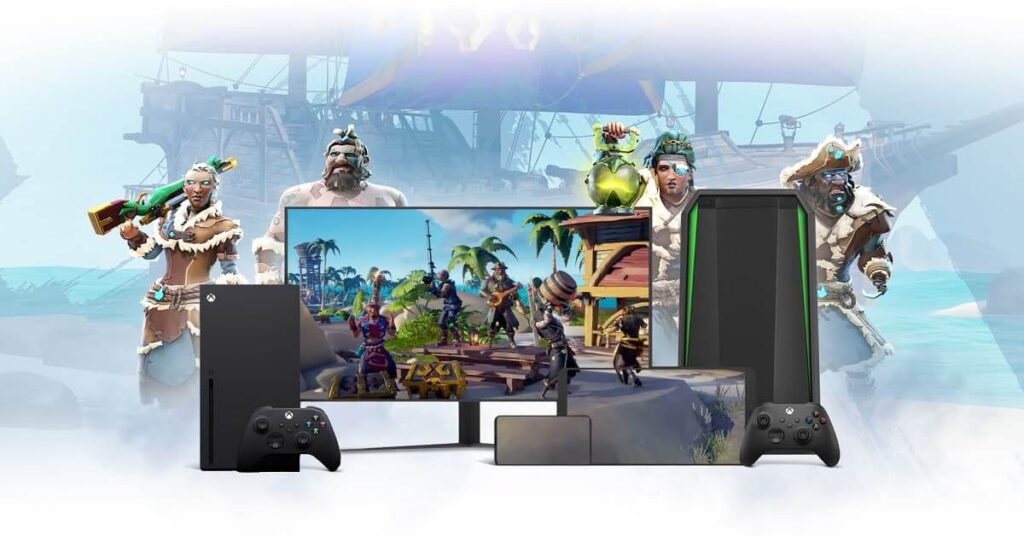
As this technology grows, concerns about the future of traditional consoles arise. Will the PlayStation 6 or Xbox Series Z be the last of their kind? Cloud gaming services now offer cross-platform play, automatic updates, and even AI-based performance enhancements. The gaming world is shifting, and it’s essential to explore whether physical consoles can survive in this new environment.
The Rise of Cloud Gaming Platforms
Cloud gaming allows users to play high-end games via internet streaming. This means games run on remote servers and stream directly to your screen. This method eliminates the need for expensive hardware upgrades. All you need is a strong and stable internet connection.
Services like Google’s Stadia, although retired, paved the way for successors such as Amazon Luna and Boosteroid. These platforms now boast extensive game libraries and low latency play. Subscription models offer a Netflix-style approach to gaming, which has become especially popular among younger users.
Performance and Accessibility: Breaking the Hardware Barrier
One of the biggest advantages of cloud gaming is its accessibility. You can play AAA titles on smartphones, tablets, or even low-end laptops. There’s no need for massive storage or advanced graphics cards. Games like Cyberpunk 2077 and Elden Ring are now playable on mobile devices via cloud.
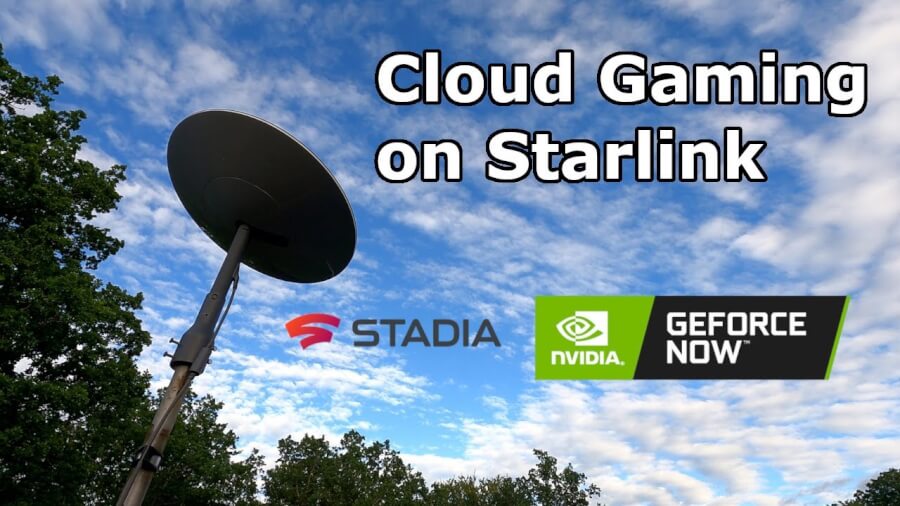
Latency and internet dependency were major concerns before. But thanks to 5G networks and improved data compression, lag is minimal in 2025. In fact, Elon Musk’s Starlink is bringing cloud gaming to rural and remote areas, further widening access. This is a game-changer for global adoption.
Is This the End for Traditional Consoles?
While cloud gaming is soaring, consoles still have strong market roots. Hardcore gamers appreciate the reliability and performance of dedicated hardware. Offline play, exclusive titles, and physical game ownership remain vital for many users.
However, sales numbers hint at change. Reports from Statista show declining console sales over the past two years. Simultaneously, cloud gaming subscriptions have grown by over 40% annually. If this trend continues, manufacturers may shift focus from hardware to digital ecosystems.
Game Developers and the Cloud Advantage
Game studios are also benefiting from cloud advancements. Developers can now create, test, and deploy games entirely in the cloud. This saves costs and shortens development cycles. Unity and Unreal Engine have started offering cloud-based creation tools, making collaboration smoother.
Cloud infrastructure also enables dynamic scaling. Games can instantly adjust graphics settings based on device specs and bandwidth. Moreover, real-time updates and patches reduce the need for user downloads, offering a seamless experience for both gamers and developers.
Security and Data Ownership in the Cloud Era
With all its benefits, cloud gaming also raises data privacy concerns. Users must trust service providers with their game progress, personal information, and payment data. Companies like Microsoft Azure and Amazon Web Services ensure high-level security, but risks remain.
Moreover, the issue of game ownership becomes blurry. Players pay for access, not possession. If a service shuts down, users may lose access to purchased content. This could make some gamers hesitant to fully transition to the cloud.
What the Future Holds: Hybrid Models and Innovations
While a full shift to cloud gaming is possible, hybrid models may dominate the near future. Console makers might release cheaper hardware that supports both physical and cloud-based play. This approach offers the best of both worlds.
Innovations like AI-based graphics optimization and haptic streaming are also on the horizon. These developments will further narrow the gap between cloud and console performance. Expect to see tighter integration between smart TVs, VR headsets, and cloud platforms in the coming years.
Conclusion: A Digital Revolution in the Making
Cloud gaming in 2025 is no longer just a trend—it’s a revolution. With benefits like accessibility, affordability, and scalability, it challenges the very foundation of traditional consoles. Yet, dedicated gaming hardware may still hold its place among enthusiasts.
The future will likely blend both worlds. As technology progresses, gamers will have more options and better experiences than ever before. Whether you’re a console fan or a cloud enthusiast, one thing is clear—the way we play is changing forever.