Mobile payment apps have revolutionized the way people conduct financial transactions. From the early days of simple peer-to-peer (P2P) payments to the rise of digital wallets and contactless payments, these apps have transformed the global economy. With advancements in artificial intelligence, blockchain, and security protocols, mobile payment solutions continue to evolve. As businesses and consumers increasingly shift toward a cashless society, what does the future hold for mobile payment apps? In this article, we will explore the past, present, and future of mobile payment applications and how emerging trends will shape the next generation of digital transactions.
The Rise of Mobile Payment Apps
Mobile payment apps gained popularity with the widespread adoption of smartphones and internet connectivity. Early platforms such as PayPal and Venmo enabled users to transfer money digitally without needing traditional banking services. The launch of Apple Pay and Google Pay further accelerated the adoption of contactless payments by integrating near-field communication (NFC) technology into smartphones. These developments paved the way for a seamless and secure mobile payment experience, reducing the reliance on physical cash and credit cards.
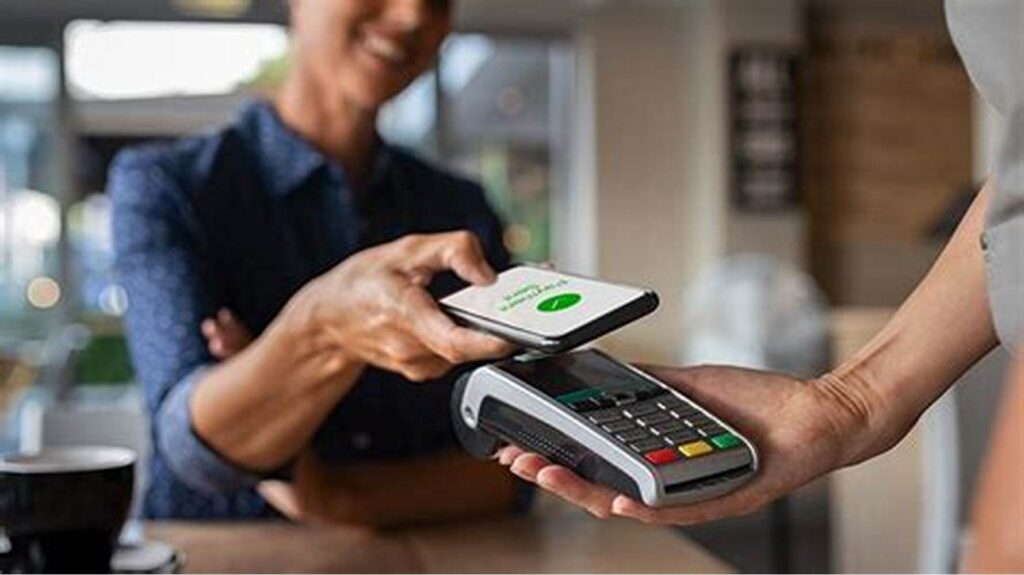
Additionally, mobile wallets and QR code-based payment systems, such as Alipay and WeChat Pay, dominated markets in China and other parts of Asia. These platforms enabled users to pay for goods and services effortlessly by scanning a QR code, making transactions faster and more accessible for businesses of all sizes.
Current Trends in Mobile Payment Solutions
1. Contactless and Biometric Payments
The demand for faster and more secure transactions has led to the integration of biometric authentication, such as fingerprint scanning and facial recognition, into mobile payment apps. Apple Pay, Samsung Pay, and Google Pay now utilize biometric verification for added security, reducing the risk of fraud and unauthorized access. Additionally, contactless payments via NFC technology have become the standard for in-store purchases, further driving digital transactions.
2. Cryptocurrency and Blockchain Integration
As cryptocurrency gains mainstream adoption, mobile payment apps are increasingly incorporating digital currencies like Bitcoin and Ethereum. Platforms such as PayPal and Cash App now allow users to buy, sell, and hold cryptocurrencies. Blockchain technology is also being explored to enhance transaction security, minimize fraud, and provide transparent financial records.
Read more about blockchain and payments here.
3. AI-Powered Fraud Prevention
Artificial intelligence (AI) is playing a crucial role in enhancing security and fraud detection in mobile payment systems. AI-driven algorithms analyze user behavior to detect suspicious activities and prevent unauthorized transactions. Machine learning models are also improving customer experience by offering personalized payment recommendations and streamlining authentication processes.
Learn how AI is transforming financial security.
The Future of Mobile Payment Apps
1. The Rise of Super Apps
The concept of super apps is gaining traction, particularly in Asia. Super apps like WeChat and Grab integrate multiple services, including payments, shopping, ride-hailing, and financial management, into a single platform. This all-in-one approach offers convenience and enhances user engagement. As Western markets adopt similar models, mobile payment apps may expand their functionalities to become comprehensive financial ecosystems.
2. Digital Identity and Decentralized Finance (DeFi)
The implementation of digital identity verification will further streamline mobile payments. With decentralized finance (DeFi) gaining traction, users may soon experience financial services that operate independently of traditional banks. Smart contracts, powered by blockchain, will enable peer-to-peer transactions with enhanced security and lower fees.
Explore the future of decentralized finance.
3. Cross-Border Payment Innovations
Cross-border payments remain a challenge due to high fees and slow processing times. Mobile payment companies are working on solutions such as stablecoins and central bank digital currencies (CBDCs) to enable instant, low-cost international transactions. Services like Ripple and Stellar are already pioneering cross-border payment networks that could reshape global finance.
Discover the latest cross-border payment technologies.
Conclusion
The evolution of mobile payment apps continues to shape the way people and businesses manage their finances. From contactless transactions and biometric authentication to blockchain integration and super apps, the future of digital payments looks promising. As technology advances, mobile payment solutions will become more secure, convenient, and globally accessible. Whether through AI-driven fraud detection, decentralized finance, or innovative cross-border payments, mobile payment apps are set to redefine the financial landscape in the years to come.