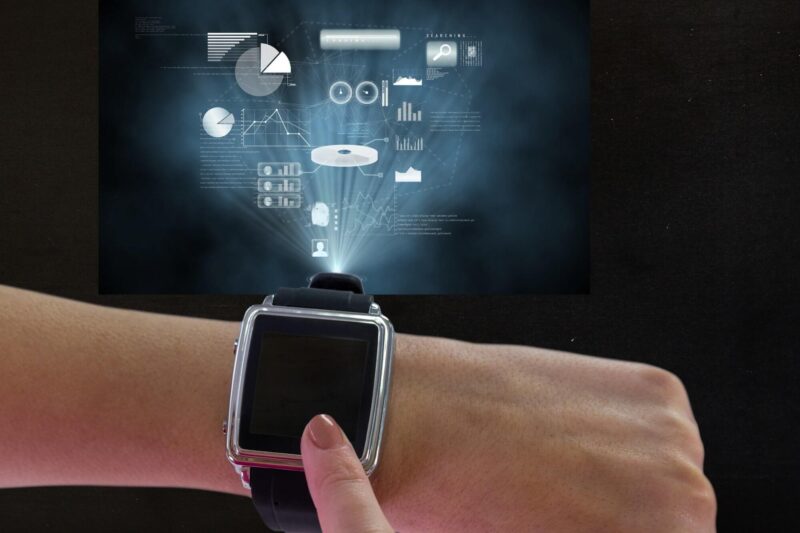
AI-integrated wearables are rapidly transforming how people interact with technology daily. These devices now combine advanced sensors with real-time artificial intelligence processing. As a result, wearables feel more intuitive, responsive, and personalized than ever before. In particular, AI-integrated wearables and smart wearable technology now extend beyond fitness tracking. They actively analyze behavior, health patterns, and environmental data continuously. Therefore, users receive insights instead of raw numbers. Moreover, growing consumer demand drives innovation across health, productivity, and lifestyle use cases. Manufacturers also focus on smaller designs with stronger computing power. Consequently,… Read More
Date Archives January 2026
CES 2026 Consumer Tech Breakthroughs: AI, Robotics, and Wearables Redefine Everyday Life
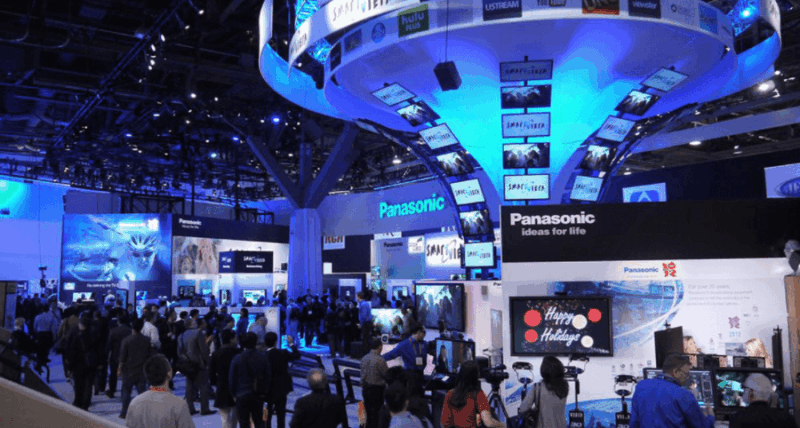
CES 2026 showcased a powerful shift in how consumer technology integrates into daily life. This year, innovation focused on intelligence, autonomy, and human-centered design. As a result, technology felt more personal, adaptive, and purpose-driven than ever before. Notably, CES 2026 consumer tech trends emphasized practical applications over futuristic concepts. Meanwhile, AI-powered consumer devices dominated product launches and keynote demonstrations. Therefore, consumers can expect smarter, more intuitive technology entering the market rapidly. Additionally, manufacturers focused on affordability, energy efficiency, and seamless ecosystem integration. Consequently, adoption barriers continue to decrease for mainstream… Read More
Enterprise AI in 2026: Real-World Use Cases Driving Measurable ROI
Enterprise AI in 2026 has moved far beyond experimentation and isolated pilots. Today, organizations deploy AI systems to solve concrete business problems at scale. As a result, executives now demand measurable outcomes, not theoretical potential. Moreover, advances in enterprise artificial intelligence platforms have reduced deployment complexity. Cloud infrastructure, pre-trained models, and low-code tools accelerate adoption across industries. Consequently, AI has become a core operational asset rather than a research initiative. At the same time, AI-driven business transformation pressures companies to modernize workflows. Firms that delay adoption increasingly lose efficiency, insight,… Read More